
The Fourth Board for the King
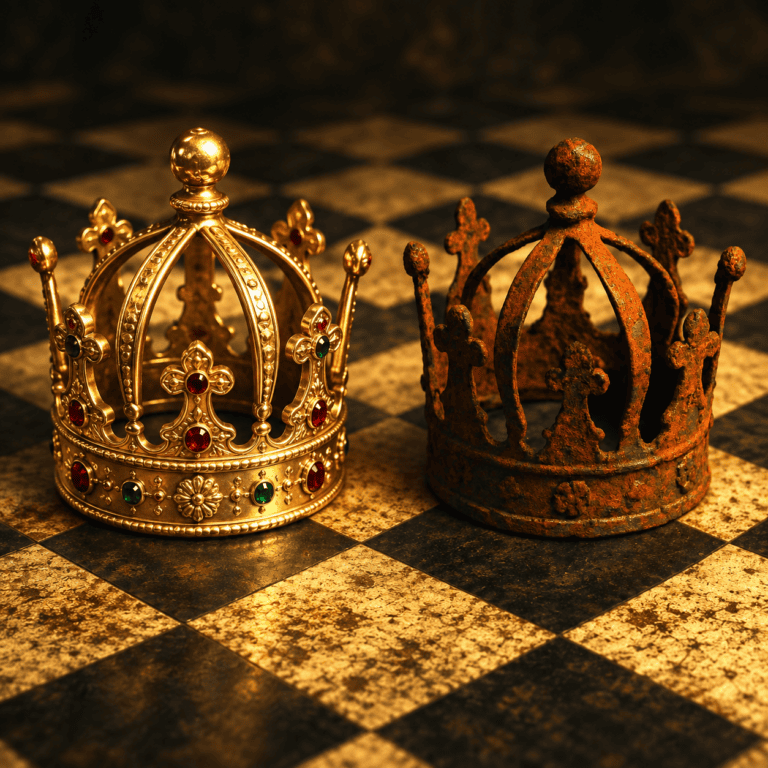
The first unpleasant surprise of the Olympiad in Samarkand came even before it began. Looking at the lineup of the Indian team, I discovered that the reigning world champion Gukesh was placed only on the 4th board. This article is therefore not yet an analysis of the Olympic battles nor an evaluation of their results. It is an immediate reaction to a historically unusual decision and a reflection on what it means for the value of the world champion title when rating is given priority over the chess crown... Continue reading
Who will win? (2)

The second part of the article, in which we try to map the prospects of the participants in the upcoming match for the chess crown, is dedicated to the world champion. While the challenger’s results allowed us to select suitable examples quite easily, analysing the long-term decline in the world champion’s playing strength – and above all finding its causes – is a much more complicated task. What is happening to Gukesh? Can we attribute everything to the psychology of the „heavy crown“? To his youth and the fact that he conquered the highest peak already at eighteen? Or perhaps even label his phenomenal results of 2024 as a fluke? No one holds the patent on the truth. So all that remains is to attempt some kind of reconstruction from what we really know – and above all from Gukesh’s games… Just as in the first part we became acquainted with the Pomtow Gambit, in the second we will focus on a problem that troubles – and has always troubled – chess players of all levels: unforced blunders! Where do they actually come from? Why do we sometimes overlook something that we would normally see at first glance? It is impossible to get rid of them entirely – but can we at least reduce their number? And if so, how?...
Continue reading
Who will prevail?
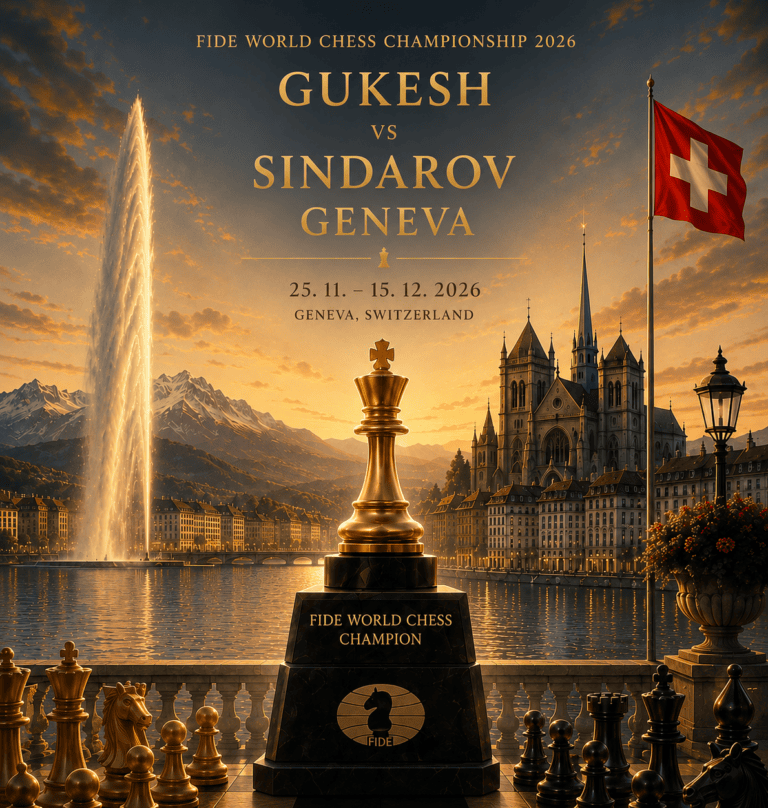
FIDE has officially announced the place and date of this year’s World Championship match Gukesh vs. Sindarov. In the end, the „neutral“ Geneva was chosen, which gives neither player the advantage of home ground. The match will be played, as two years ago, over 14 games. How will the battle end? Most forecasts clearly favour the challenger, who is going from success to success and is currently the world number four by rating, while the world champion is increasingly struggling. But what are the real prospects of the young players? And why is the average age of chess players fighting for the highest title dropping so significantly? In the article, we will try to analyse these questions and the form of both participants several months before the start of the match. In the first part, we will focus on the challenger.
Well, but the article would not be complete without some new opening idea. Do you know how the Pomtow Gambit is played? No? Then let’s take a look at one of Sindarov’s weapons…
Continue reading
Classical chess for sale?
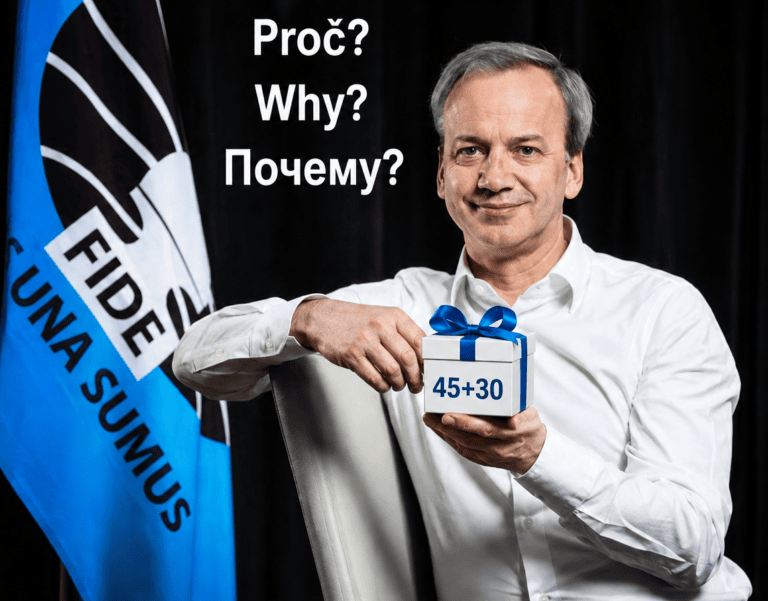
On 20 July, chess players around the world celebrate their holiday – International Chess Day. This year, on the 102nd anniversary of FIDE’s founding, they received a symbolic „gift“ from their world federation. On the imaginary package was a single number: 45+30.
Around the mid-1990s, I read an interview with the then young Kazakh grandmaster Vladislav Tkachiev. He claimed that the future belongs to active chess (rapid) and that classical games in their current form would give way to significantly shorter time controls. Most chess players then considered his words a whim of a talented youngster. Thirty years have passed. The FIDE president announced in mid-July that a classical game will now also be considered one with a time control of 45 minutes plus 30 seconds increment for the entire game! Are we really on the threshold of a new era of world chess? Or is the thirty-year-old vision beginning to come true, which in my opinion threatens the very essence of classical chess?...
Continue reading
Tournament turned upside down
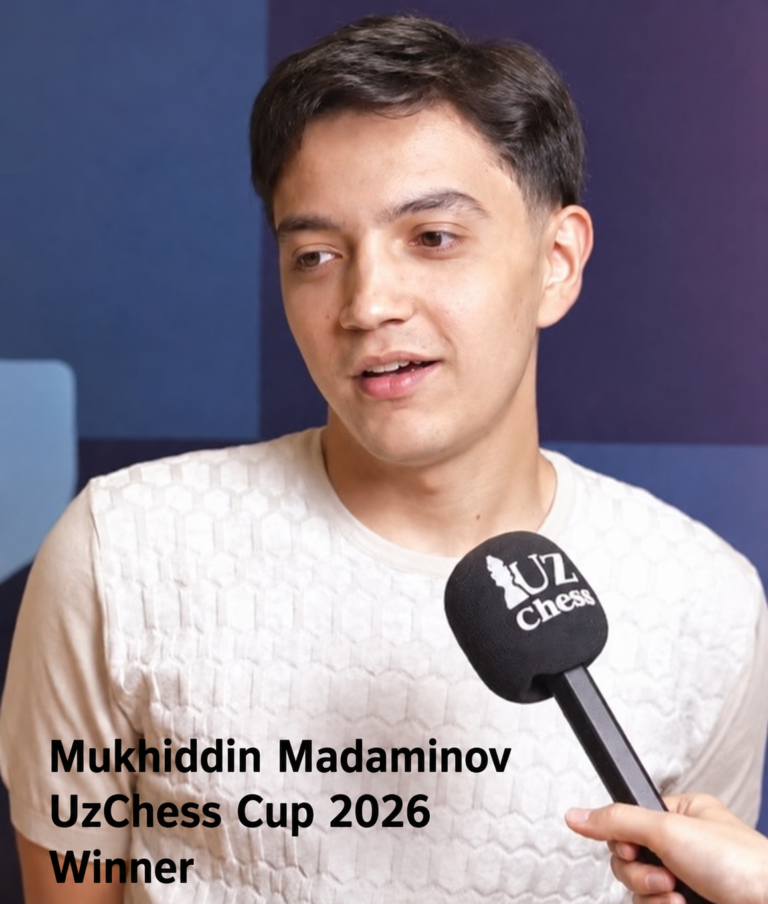
The report from this year’s UzChess Cup Masters could be titled with a metre-long headline, and it still would not capture all the interesting and important things that happened in Tashkent. The organisers invited not only a strong but also a generationally balanced line-up and had a really lucky hand in selecting it! After all, how often in life do we watch a strong tournament ultimately won by the youngest participant with by far the lowest rating? Nevertheless, I would hesitate to report on a tournament without players from the world top ten if it were not for the sharp generational clash not only on the chessboard but also in views on how far chess etiquette or even ethics extend, even though everything happened within the rules... Continue reading
Super tournament or dictated blitz?
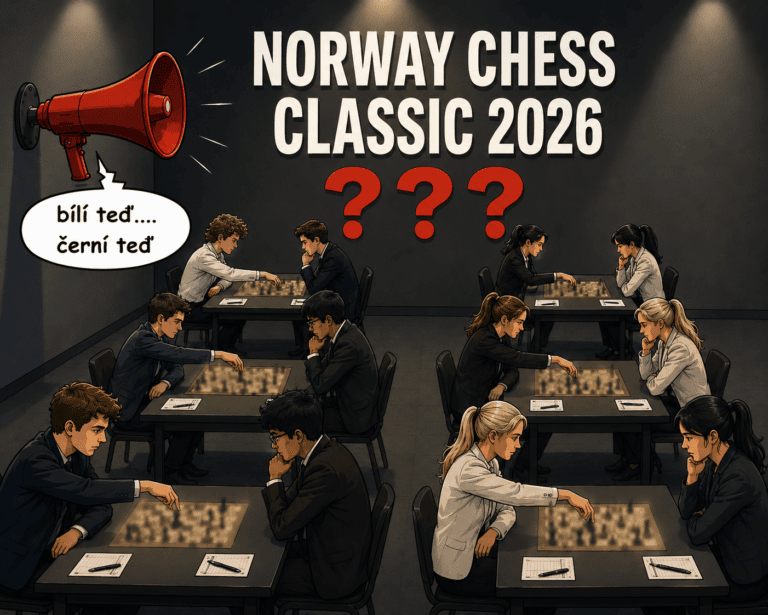
After the fortieth move, it was as if the Norwegian super tournament went back more than half a century. Instead of classical finishes, spectators watched a modern version of old dictated blitz games, in which the arbiter called every few seconds: „White now! Black now!“ But this time it was not a club amusement but points that decided the standings of one of the strongest tournaments in the world – a category XXI event. As a little boy, I saw a chess tournament of dictated blitz games with my own eyes. Today I only remember fragments of it, but I know that I watched the whole show with my mouth open back then. Why do I recall this old curiosity? Because while watching this year’s super tournament in Norway, I sometimes felt as if I had returned to the times of dictated blitz… Continue reading
A bitter pill for a birthday
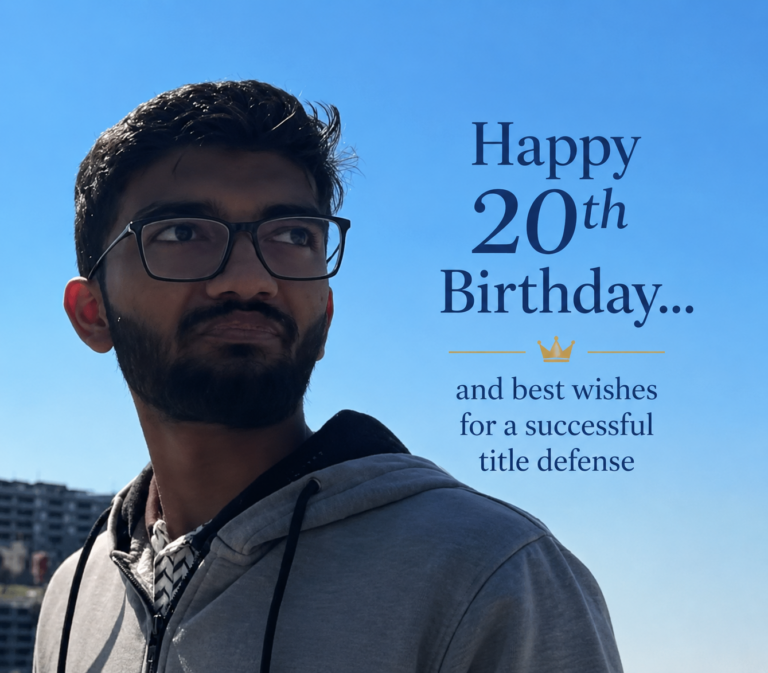
Magnus Carlsen gave Gukesh a lesson for his twentieth birthday that will not be forgotten.
The world champion Gukesh celebrated his twentieth birthday during the ongoing tournament in Norway. However, 29 May fell on a rest day, so the chess gifts were given a day earlier. In this, even by today’s standards crazy tournament, where time trouble lasts through half the game… almost every second match, Carlsen prepared a gift for the birthday boy that will not be forgotten anytime soon. One of his best games in recent years turned into a vivid lesson in strategy, positional chess and tactics.
For Gukesh, it was undoubtedly a bitter pill. For the rest of us, however, a didactic gem. What if someone gave you a private lesson in chess strategy? And you finally realised a simple but profound truth: strategy = what we want, tactics = how we do it...
Continue reading
Just a normal tournament
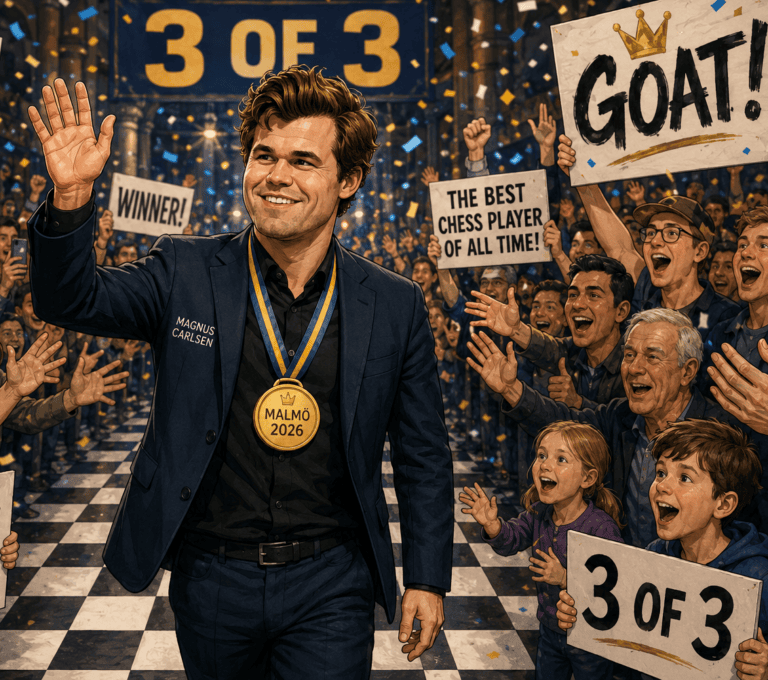
The recently finished tournament in Malmö, Sweden, literally gave Carlsen’s fans food for thought! Their favourite not only played a classical tournament after a long time but won it outright. And that despite having only 50% after four rounds. In the end, Magnus finished the tournament with three consecutive wins and crushed Erigaisi in the tiebreak. But how was it really? Let’s look at this very strong tournament through „two lenses“... Continue reading
Sindarov ruled Cyprus with a sure hand, India celebrates with Vaishali – Part 2
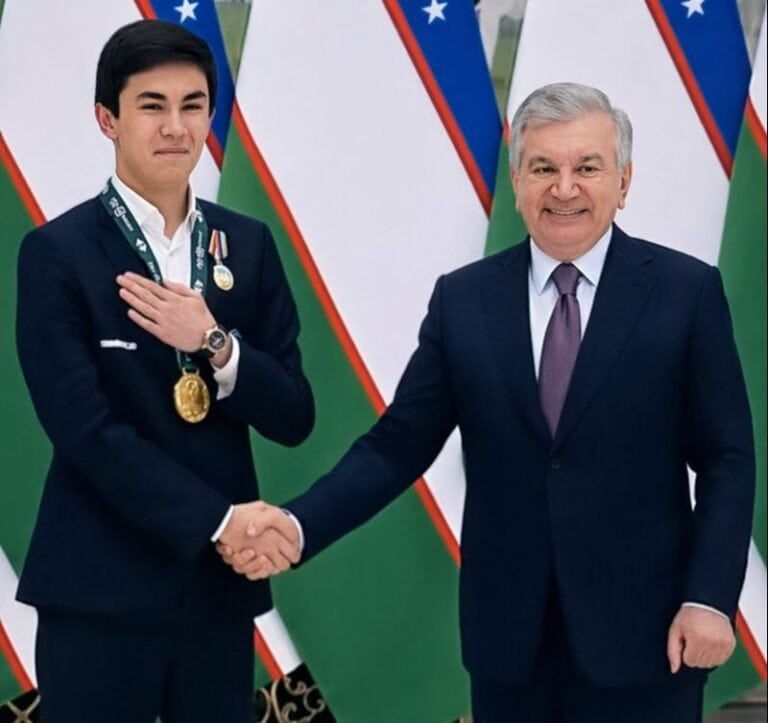
The second part of the article about the Candidates Tournament will this time focus mainly on Sindarov’s „black maturities“. It was precisely the game against Caruana that showed that the Uzbek youngster is no longer just a talented attacker but a chess player capable of standing firm even in the toughest positional and psychological tests. The duel with Caruana struck me almost as a symbolic test of maturity – the moment when talent definitively turns into a candidate for the world title... Who is Roman Vidoniak? A name that was almost unknown just two months ago is now being declined in all cases in chess circles. We will introduce Sindarov’s coach from 2025 in the second part of the continuation… Continue reading
Sindarov ruled Cyprus with a sure hand, India celebrates with Vaishali
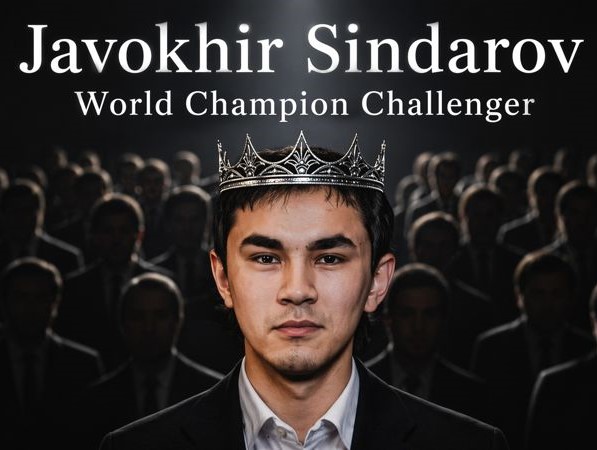
When I wrote the article „So the small centre is broken! Sensational miniature by 17-year-old Javokhir Sindarov in the catacombs of the accelerated King’s Indian“ two and a half years ago – in November 2023 – I knew that the Uzbek youngster could grow into a super grandmaster of the highest class in a few years. But I never imagined that on 14 April 2026 he would become the challenger for the world championship! And the unprecedented way he passed the tough tournament, becoming the winner a round before the end, shows that we witnessed something truly extraordinary. One record after another! India has recently been witnessing the decline of its male chess stars, confirmed also in the Candidates Tournament. However, joy was brought to it by the Women’s Candidates Tournament, which Vaishali Rameshbabu won after great drama… Continue reading
A monster with a thousand eyes rampaged in Prague too!
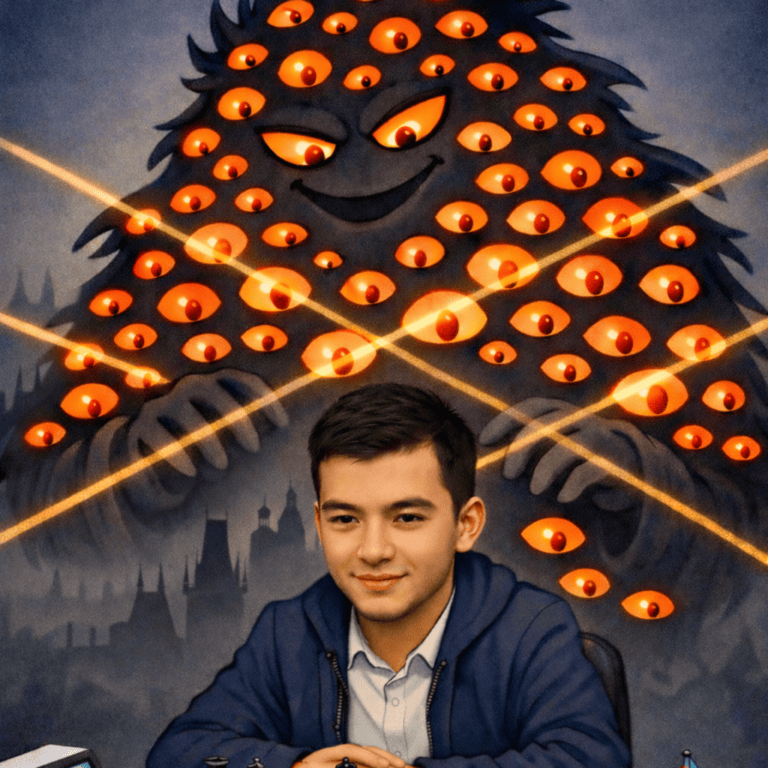
May 1986, Basel. The exhibition match Kasparov – Miles ends with a crushing victory for the world champion 5.5 : 0.5. Kasparov perhaps saw it only as a light relief in preparation for the next crown match with Karpov. Crushed but sincere, Miles then uttered a memorable phrase: „I thought I was playing the world champion. In reality, I was facing a monster with a thousand eyes that sees absolutely everything.“ After decades, fans felt that they saw another such „monster“ in Carlsen. However, he is slowly withdrawing from classical chess. After another success of the Uzbek number one in Prague, it seems that the baton already has a new bearer. Nodirbek Abdusattorov possesses practical strength that is – without exaggeration – terrifying. Continue reading
The last game of world champion Lasker or the traditional mistake in history
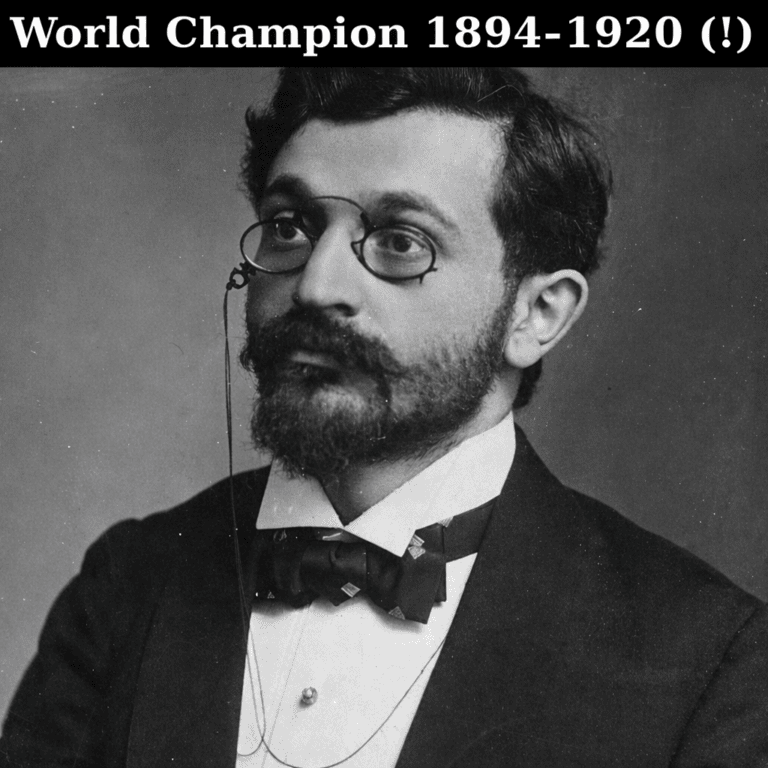
On the 105th anniversary of the Capablanca–Lasker match (Havana 1921): In official lists of world champions, we still encounter the claim that Emanuel Lasker ruled from 1894 to 1921, a full 27 years. This number is repeated so naturally that it has gained the status of an axiom. Nevertheless, on closer inspection, it is a simplification, if not a factual historical error. Based on contemporary documents, it is convincingly proven that in 1920 Lasker formally relinquished the world champion title in favour of Capablanca. If we accept this act as legitimate, then Lasker’s reign did not end in 1921 after the lost match, but already a year earlier – after 26 years. Continue reading
Chess quote
Chess is the touchstone of intellect.
Johann Wolfgang von Goethe
Johann Wolfgang von Goethe
Chess quote
Chess, like music and love, has the power to make a person happy.
Siegbert Tarrasch
Siegbert Tarrasch