
We continue studying the issues and relationships between the Bishop and Knight. First, we will verify the validity of the 3xBest rule on a number of simpler, typical, but also more complex examples. This should help us navigate endgames where these minor pieces confront each other. The very term Minor Piece (the advantage of the Bishop over the Knight) is, of course, long forgotten, but we can safely say its spirit lives on. Moreover, it permeates all strategy and we would classify it under the basic methods of conducting the fight: exchange or material gain.
Stress test of the 3xBest rule
Let us recall that, with some simplification, our tool, the 3xBest rule, states the following:
All else being equal, the Bishop is the stronger piece in these three situations.
- Dominates the Knight
- The position has an open character. On the board there are no permanently blocked pawns or only a minimum
- The pawn structure promises conflict on multiple fronts simultaneously.
The 3xBest rule also states this:
All else being equal, the Knight stronger piece in these three situations.
- Dominates the Bishop
- The position has a more permanent blocked character
- The pawn skeleton promises conflict only on one narrowly defined front.
The rule I formulated should primarily help less experienced chess players to navigate positions in the battle of Bishop versus Knight. Of course, it has its limits and boundaries. It should not be approached dogmatically, so I would like to state or remind here some of its limitations.
The first lies in the very concept Rule (prescription, custom). Surely many of us know the saying „the exception proves the rule.“ The Latin „Exceptio regulum probat“ actually means „the exception tests the rule.“ However, this is not very important for our purposes. A rule has and always will have exceptions, and in positions of Bishop versus Knight battles we will encounter them. Indeed, with some exceptions we have already met, for example in the famous Nimzowitsch endgame with Knight superiority, where the weaker side with a bad Bishop saves itself, although all Most speak in favour of the Knight.
In the second warning I borrow a phrase I found in the works of the once unsurpassed theoretician and didactician Grandmaster Luděk Pachman. When analysing many endgame positions, he occasionally stated or reminded: „... under otherwise approximately equal conditions.“ What does this mean? Let us look at the related diagrams.
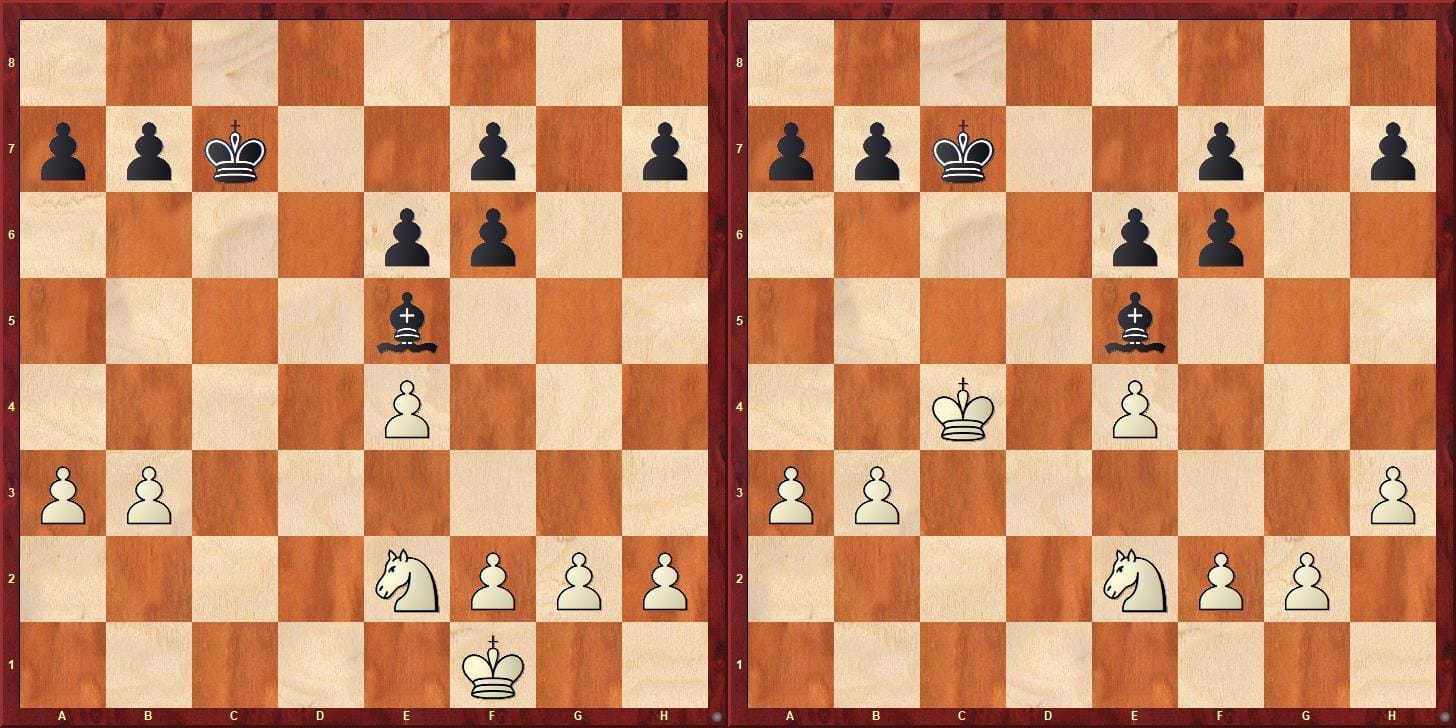
In the game Čechover,V vs. Lasker,Em 1935 (diagram on the left) our pupil according to our rule 3xMost Black actually has superiority in of all three categories and also, as we will soon see, won the endgame without problems. In the second working diagram I played with the position and activated the White king. If it stands in the centre, White has another positional advantage, which would in the new total was enough to hold the game!
I chose the second example from the present day. In the game So,W vs. Finěk,V (blitz, Chess.com 2023) arose after 35.Nh3
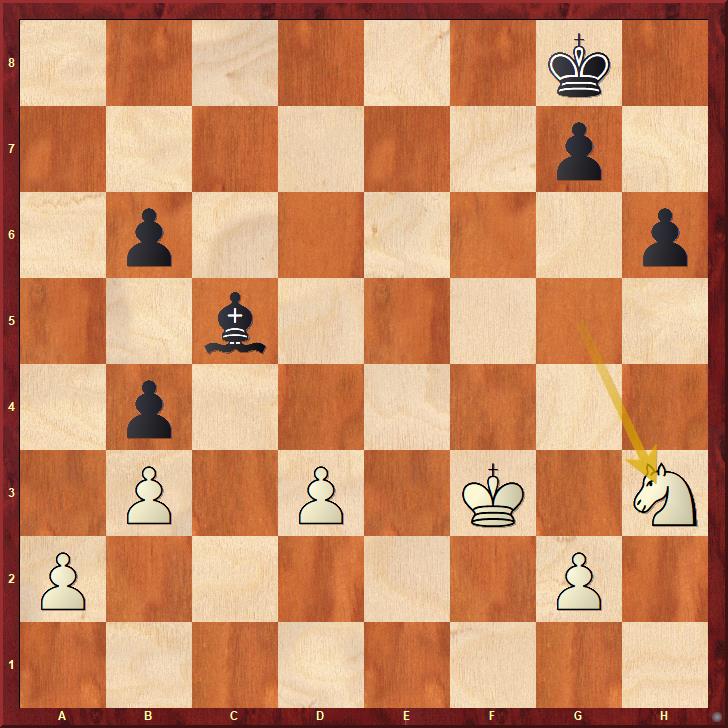
an endgame that is in dynamic equilibrium. Black's advantages are the possession of a bishop in an open position and a potentially important candidate for a distant passed pawn on h6, while White's on the other hand factors play into his hands: better pawn structure, including the passed pawn on d, and a somewhat more active king (whether the fight will flare up on one or more fronts is difficult to determine and predict at this stage). And it was precisely this last advantage of the opponent that Black should have paid attention to! How would we recommend Black to continue?
Followed by 35…g5??, after which Black, following 36.Ke4 Kf7 37.d4 Be7 38.Kf5
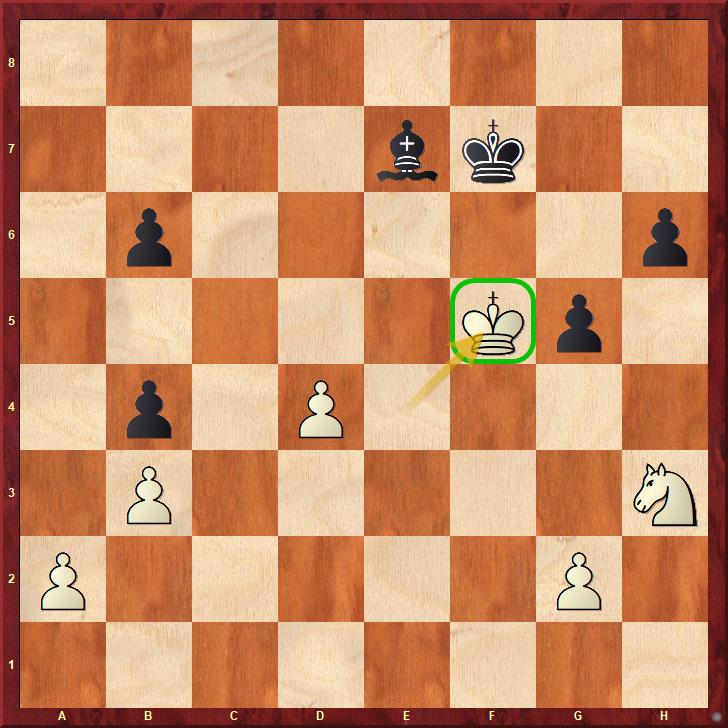
found himself in a hopeless position. The endgame here we cannot should be evaluated based on the rule 3xBest (that is, Black controls the bishop in an open position and is a candidate for a passed pawn), because White has a decisive advantage due to the huge difference in the placement of the kings, now the strongest pieces on the board!
Black should continue 35…Kf7!= (36.Ke4 Ke6).
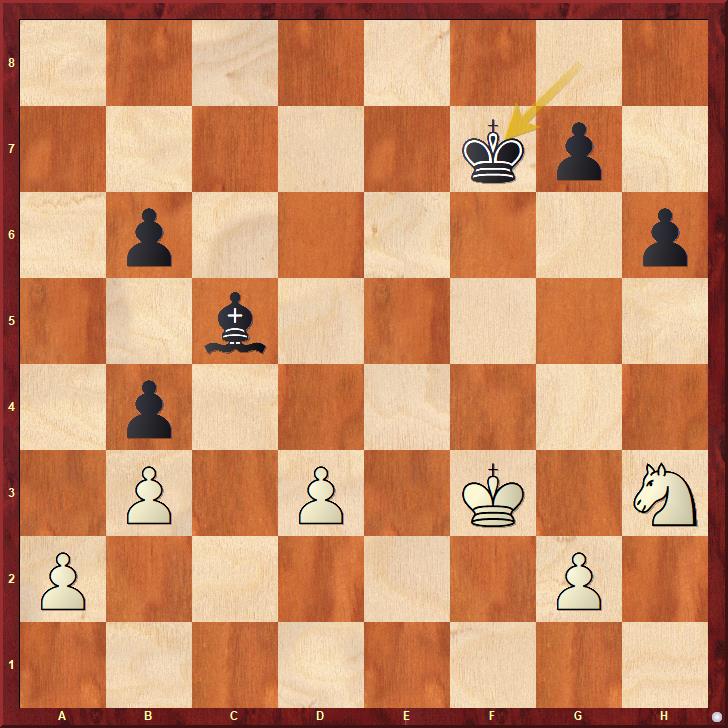
Under otherwise roughly equal conditions this means that other static or even dynamic factors are approximately balanced.
Not all blockades are the same we could call the third problem. Recently I came across a rather interesting work dealing with the same topic. Although the Swiss grandmaster Noel Studer in his work actually comes to somewhat different general conclusions (he is, to put it mildly, not very interested in the opinions or works of the classics), I borrowed his two diagrams including the text. I only made minor editorial changes to better fit our vocabulary.
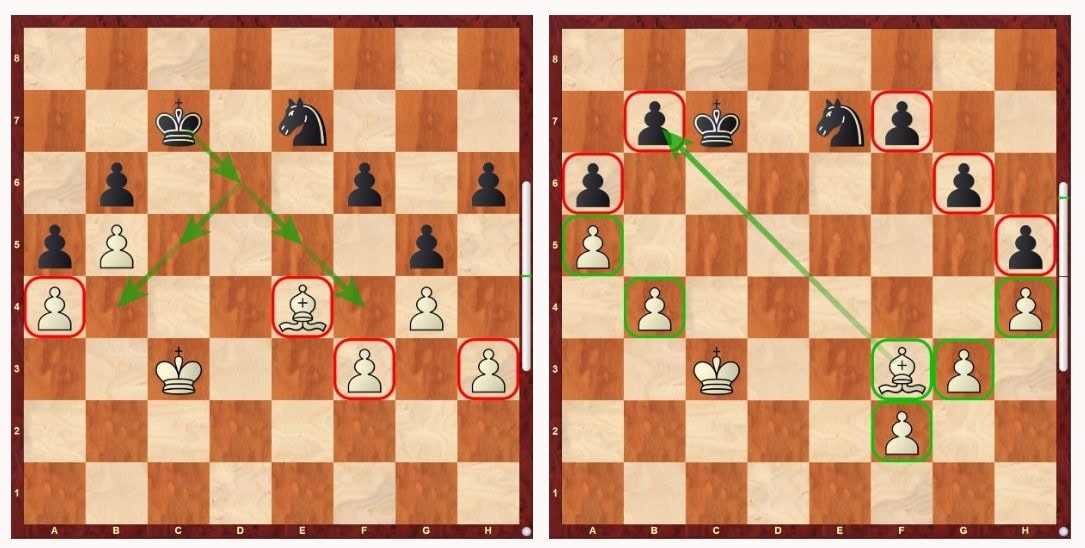
Noel Studer writes: Let’s look at the difference between the two positions. The only thing I did was adjust the pawn structure. In the diagram on the left, White’s bishop has not a single target! The missing pawns on dark squares also give the Black king nice entry points. Although the position is objectively still balanced, White would have to fight for a draw in practice. In the right diagram, the bishop works excellently with its own pawns. The Black king has no way to enter White’s camp and needs to protect the weakness on b7. The White king enters the position and decides the game!
(Studer’s work can be found at the link https://nextlevelchess.blog/bishop-vs-knight/)
Our rule of 3xMost, despite its simplification, also copes with the problem of the so-called structurally bad bishop (we learned more about this problem in the first part of the article from Capablanca himself). The point is that in the position of the first diagram on the left the pawns really are blockade, because it is a permanent isR. Although the fight will also take place on both fronts here, which is welcomed by the side with the bishop, the blockade speaks in favour of the knight! Match score we can therefore call it a drawn 1-1. (Let us also note the Pachman principles working here otherwise approximately equal conditions.)
Only an inexperienced chess player could speak of blockade. It does not have to be permanent! Thanks to White's overwhelming advantage on the white squares the blockade can easily be broken by the advances b4-b5, g3-g4 and the like, thus achieving the desired effect. The functionality of the 3xBest rule is therefore neither attacked nor questioned here.
Tools for realising the advantages of the Bishop or Knight
In verbal comments and the accompaniment of analysis examples, readers will encounter terms such as the principle of two weaknesses, zugzwang, thinking in patterns, tactical abilities of the knight and many others. Explanations are sometimes at least briefly indicated there, but I assume that these strategic methods are generally known, just as the concept of opposition is known to beginners.
However, the situation is different with tools, which we could call special! Before we start with the concrete study, let us first familiarise ourselves with these specific instruments or helpers. If the 3xMost rule generates three situations favouring the bishop or knight, then our two special aids each serve their master in a 1-1 ratio!
For the knight speaks the so-called weakness of the complex of squares of the opposite colour to the opponent's bishop (which we can already clearly see in Studer's diagram above), for the bishop then a special term Sieve, which was patented by the exceptionally talented and successful grandmaster trainer Alexandr Nikolayevich Panchenko. I believe the diagrams below will clarify everything without any problems.
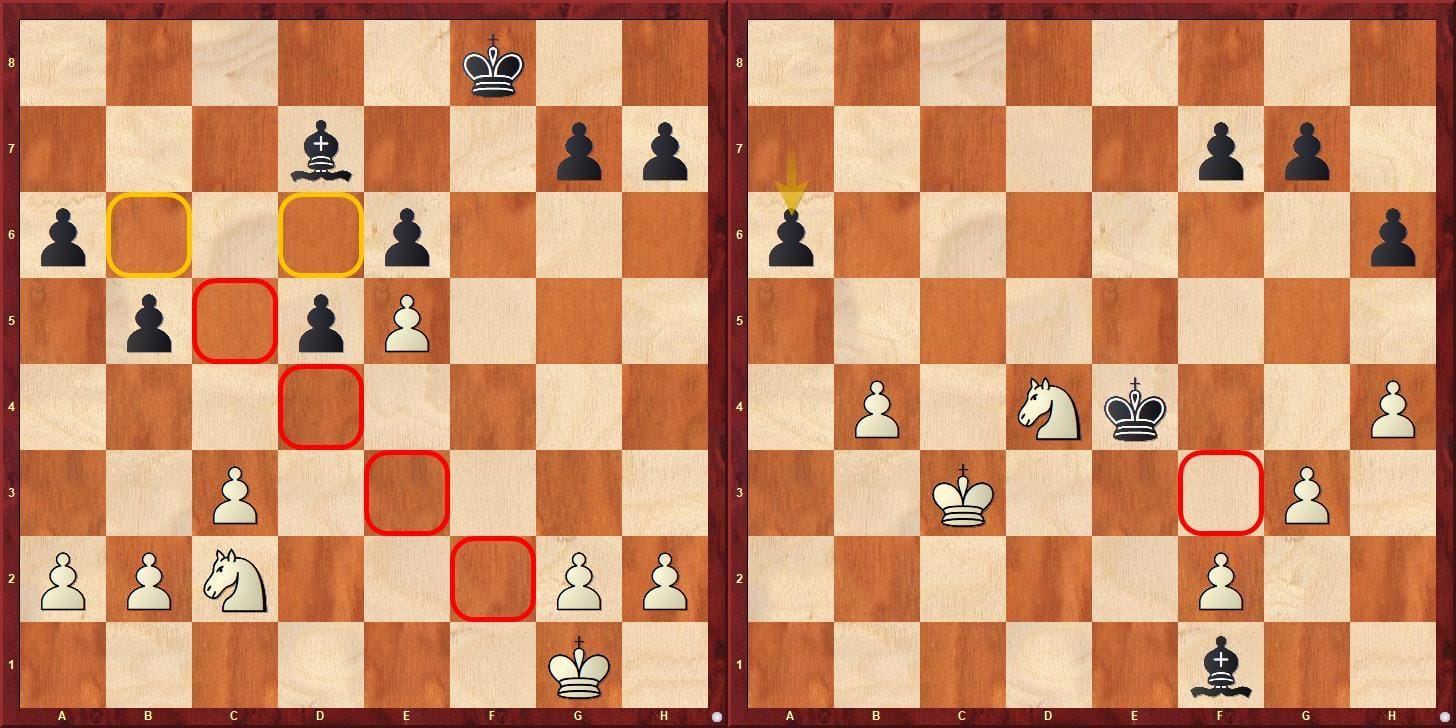
In the diagram on the left, the reader can easily identify the overwhelming advantage of the Knight. The poor Bishop in a blocked position helplessly stares at the immobilised colony of its own pawns in the centre and on the queenside. Thanks to this, the white king can literally walk like on a red carpet welcoming the most important state visitors all the way to the very rear of Black's position. True, if we start calculating variations, we find that the red carpet unfolds only on c5; behind it the welcoming committee in the form of the black king will already be lurking (this example will still be the subject of our study in the viewer). In Black's position, a phenomenon occurs which we can call a complex of weak squares in this case of the black colour. For easier memorisation and a simpler, shorter name, I borrowed terminology from medicine. The weakness of the complex of black squares is called by my pupils erythropenia (a deficiency of red blood cells, that red carpet).

The opposite phenomenon, i.e. weakness of the white squares, is then leukopenia (a lack of white blood cells indicates in our case directly an infection in the body of the position).
The situation in the right diagram with the advantage of the bishop is conceptually more complicated. The Soviet, later Russian, grandmaster, excellent trainer, theoretician and didactician Alexandr Panchenko noticed a frequently recurring phenomenon in his analyses of positions with a bishop advantage. In my opinion, we cannot speak here of a weakness of the complex of squares, because it is hardly a permanent phenomenon like the red carpet, but the property of the knight, which was already pointed out by Capablanca, namely the (limited) ability to control squares of only alternating colours during its movement, leads for example to the situation shown in the diagram. White must move the knight (now or in a few moves) and Black will penetrate into the opponent's rear through the f3 square! This point of origin was called Panchenko Sieve! If we realise the advantage of a bishop over a knight, this phenomenon occurs very often, as the examples I present to celebrate the bishop show in the viewer.
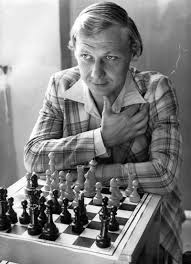
Grandmaster Alexandr Nikolaevich Panchenko (1953-2009), a prominent coach and theoretician.
The 3xMost rule in practice
Let us now finally take a closer look at several endgames. I anticipate that a reader familiar with the classics will know many of them from the literature. However, I must note that when reviewing old analyses, I again encountered a number of analytical errors. True, most of these concern situations where the weaker side could have saved themselves. It simply turned out that – as I am accustomed to saying – the draw corridor he has really been significantly widened, extended, enlarged, take your pick, by the arrival of strong engines. If today there is balance everywhere in the opening, in the endgame there is, of course with some exaggeration, all draws. At the same time, however, theory and practice are diverging gradually drift apart.

The draw corridor is constantly hypertrophying thanks to improving engines! We have the feeling that whereas in the past this was mostly the domain of rook endgames, today the machines‚ interest is shifting to other types of endgames as well…
I even believe it is time to change the set of evaluation symbols. It is necessary to consider theoretical (precise) evaluations of positions on the one hand and the players' own perception of situations on the other. Thus, the reader will sometimes find two evaluation symbols for one position in my analyses! The first (directly after the move in the text) shows the human, that is actually subjective, evaluation of the position. After the slash in the note, however, the computer's objective evaluation is given.
The following chapters are divided according to the usual key: positions with a bishop advantage, positions with a knight advantage. Simpler examples will be exchanged for more complex ones.
Bishop on a winning streak

Let us repeat: We know that most positions have an open character and it cannot be otherwise in the endgame. For this reason, the bishop becomes a stronger fighter in most encounters. Our journey of discovery begins with a classic example (the simplest position, actually theoretical endgames, such as bishop and distant passed pawn versus knight and pawn and similar will not be analysed here), whose initial position we have already seen, the following four are sometimes almost a century apart!
The butterfly effect
The Butterfly Effect or its equivalent occasionally appears even in endgames…
Let us now move on to more complex examples, and first look at the diagrams.
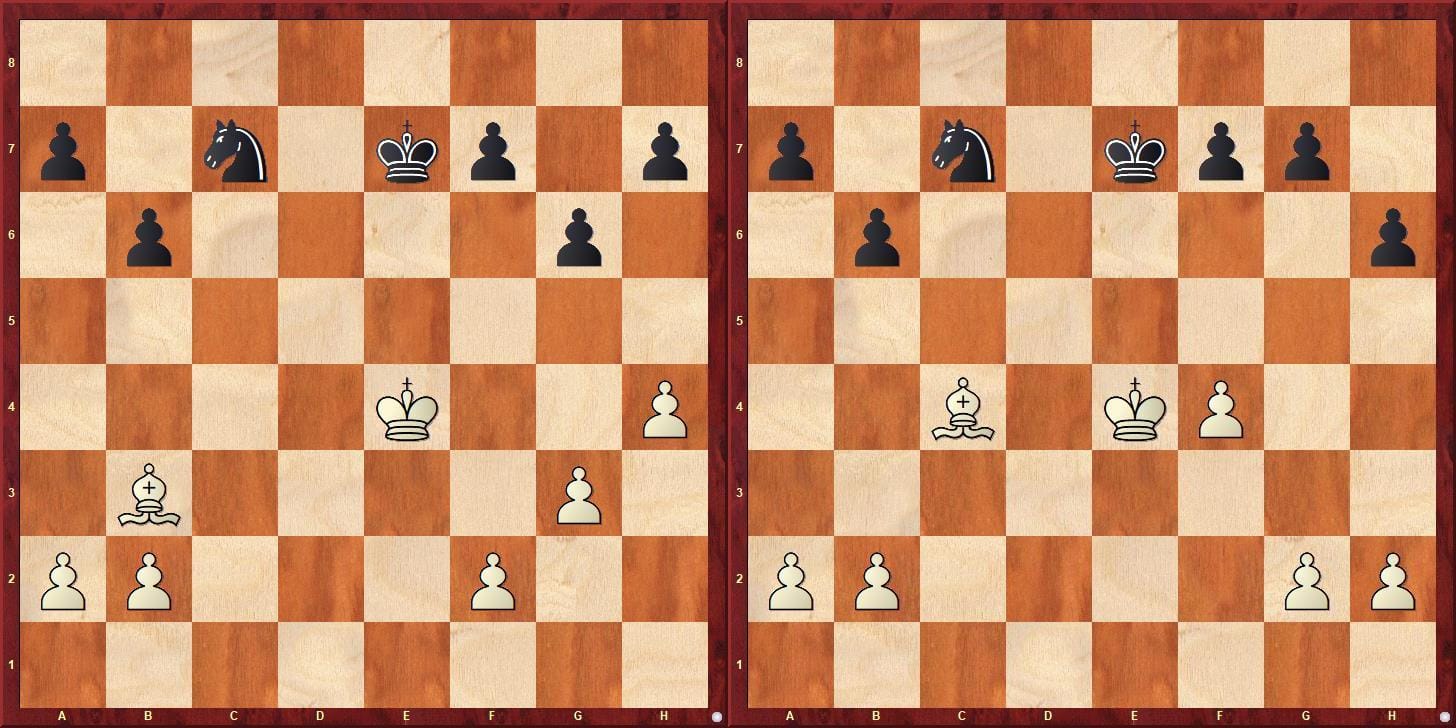
At first glance, one might think they are almost twins. However, I can assure the reader that it cannot be about them only, and in a way we can even justifiably reject a kinship! How is that possible?
Indeed, these positions are not fictional this time, they occurred in practice. However, I am absolutely convinced (although I have read the famous Poe story several times Never bet your head with the devil 🙂 and would gladly wager) that the reader will be surprised or even shocked by the following lines, and of course later by the evidence in the form of fragments of both games!
In the first diagram on the left, White holds a decisive advantage. Although Black temporarily blocked the sieve – the d5 square, the rule of 3xBest does not err and White will convert his advantage to a win even against the best defence by Black. The second position, however, is defensible enough that White fails to realise the advantage. It lies in the draw corridor!
How is that possible? The main culprit we should mark the pawn ‚g‘! Butterfly effect creates in the first case an excellent target not only for the bishop and Black can no longer arrange his kingside pawns optimally, as Black managed in the second game! The seemingly slight difference in the kingside pawn structure results in either a functional – successful use of the principle of two weaknesses, or sometimes even this strategic method is insufficient.
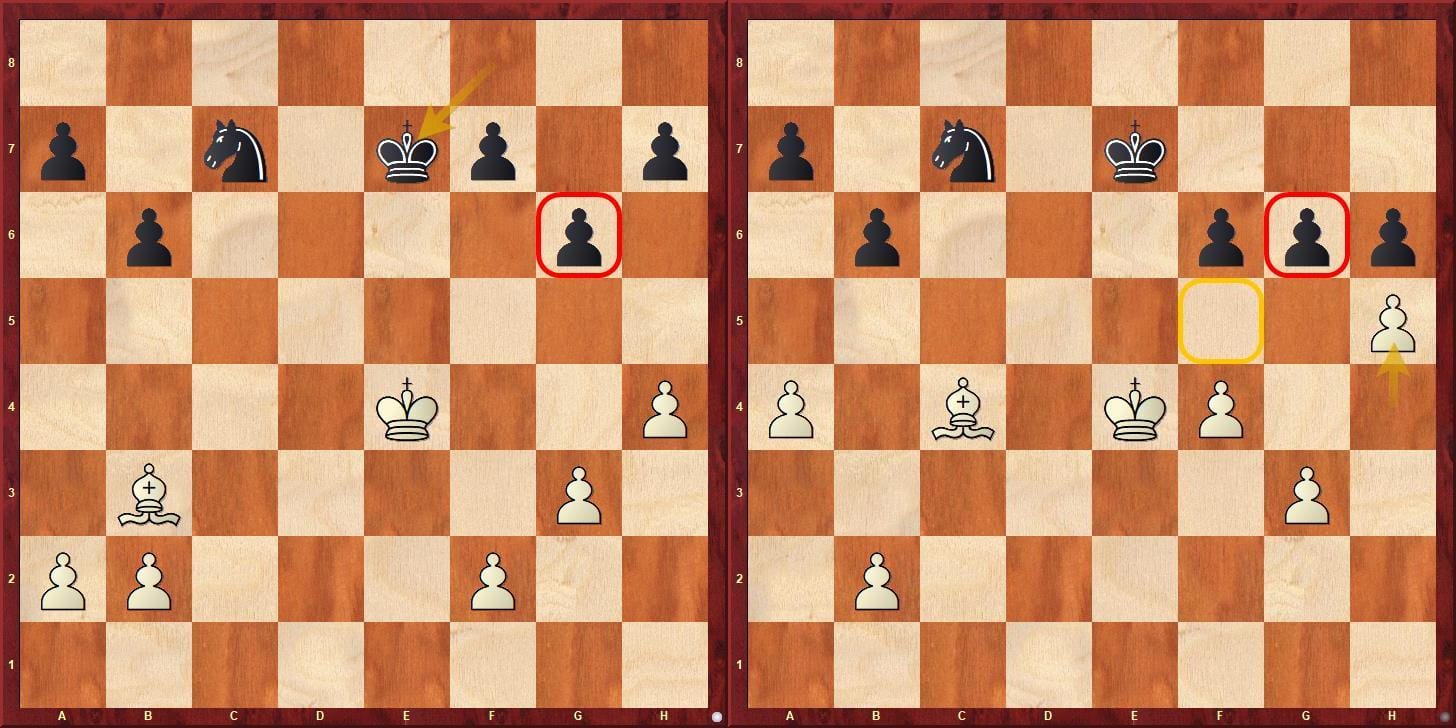
Butterfly effect! An apparent trifle completely changes the future development. The right diagram already shows that thanks to the target on g6, White managed to make significant progress within a few moves. After h4-h5! a sieve is created in Black's position – the weakened f5 square.
Let us now look more closely at both complex examples. If the esteemed reader decides to study the endgames in more detail (such work will repay itself a thousandfold in the form of improved technique not only in this type of endgame), I recommend downloading the examples first!
The situation with the better knight or block, block, block
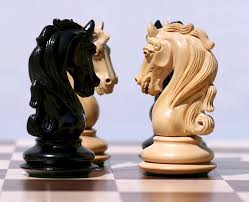
War council: „How to get those blasted bishops under control? Imagine that some Steinitz once invented that we are half a pawn weaker than they are! Apparently, some Ludolph’s number, pi or what!" „Scandal!“ 🙂 🙂
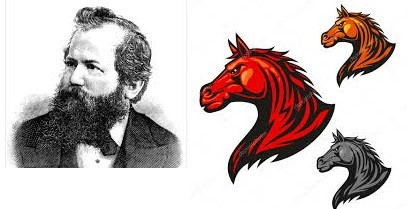
While pondering a suitable title for the following chapter, I could hardly help but recall my chess beginnings and studying the classics. The literary hero of my childhood was the founder of the Russian chess school, Mikhail Ivanovich Chigorin. I read about the tragic end of the World Championship match against Steinitz in Havana in 1892, but I remember especially devouring the commentary on the game played three years later – Lasker vs. Chigorin, Hastings 1895 – like a detective story. Mikhail Ivanovich launched his patented defence of the Queen’s Gambit against the newly crowned world champion, exchanged both his bishops, and then a fierce battle between the pair of bishops and knights flared up. The white bishops, and all their comrades in arms, tried their best to clear as many diagonals as possible, while naturally the knights built barricade after barricade in the enemies’ way. After 16...Nd6
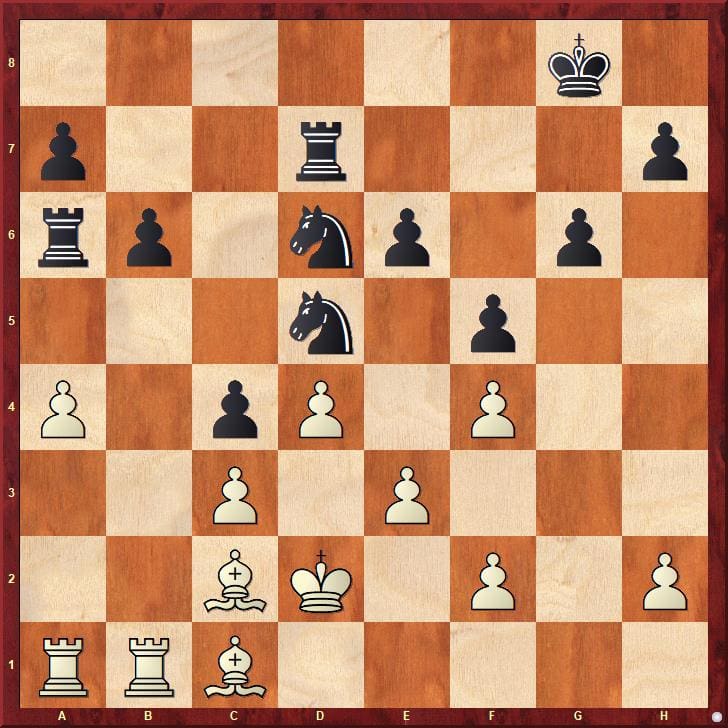
a completely unclear (approximately equal according to the computer) position arose. Chigorin eventually overcame his opponent, who was 18 years younger, and so the knights sang a victorious song about a very successful blockade!
Typical endgames with an isolated pawn
In endgames with the better knight, we can often encounter a situation where the weaker side is left with an isolated queen’s pawn (hereafter IZP) on the board. The characteristic so-called fixed pawn structure in the centre looks like this, for example:
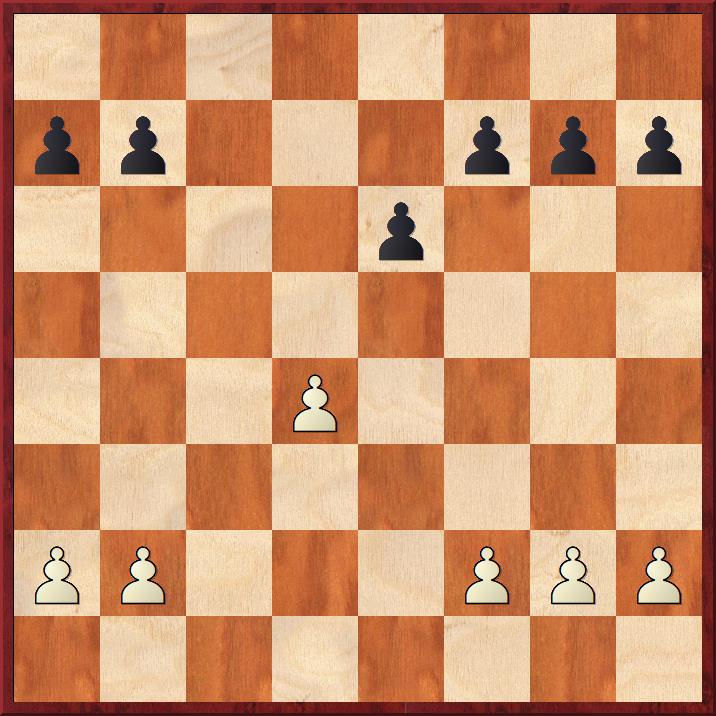
and Black’s structurally unfortunate bishop would be exchanged for White’s queen’s bishop on the light squares, as we will see in the working diagrams below.
In the days when my young pupils were still able to attend training sessions with their notebooks, forgotten tasks became rather rare and the children were thus able to occasionally work on their beloved game, I presented them with the following practical test on the topic of pawn structures.
Test assignment
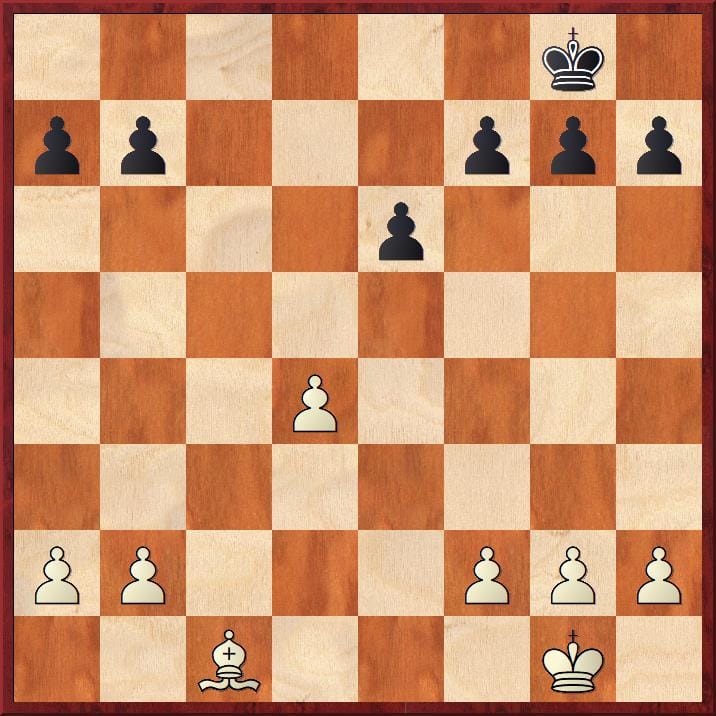
Your task – rightfully so – is to complete as Black on their half of the board any minor piece. The students then started the 2 x 30 minutes finish, White to move. Which Black piece would you choose and where would you place it?
Test solution
An equal and correct choice can be considered placing a bishop on the same colour (for example on f6 or b6). Here, however, we are primarily interested in positions where Black chooses a knight. In the diagram below, I placed it on d5.
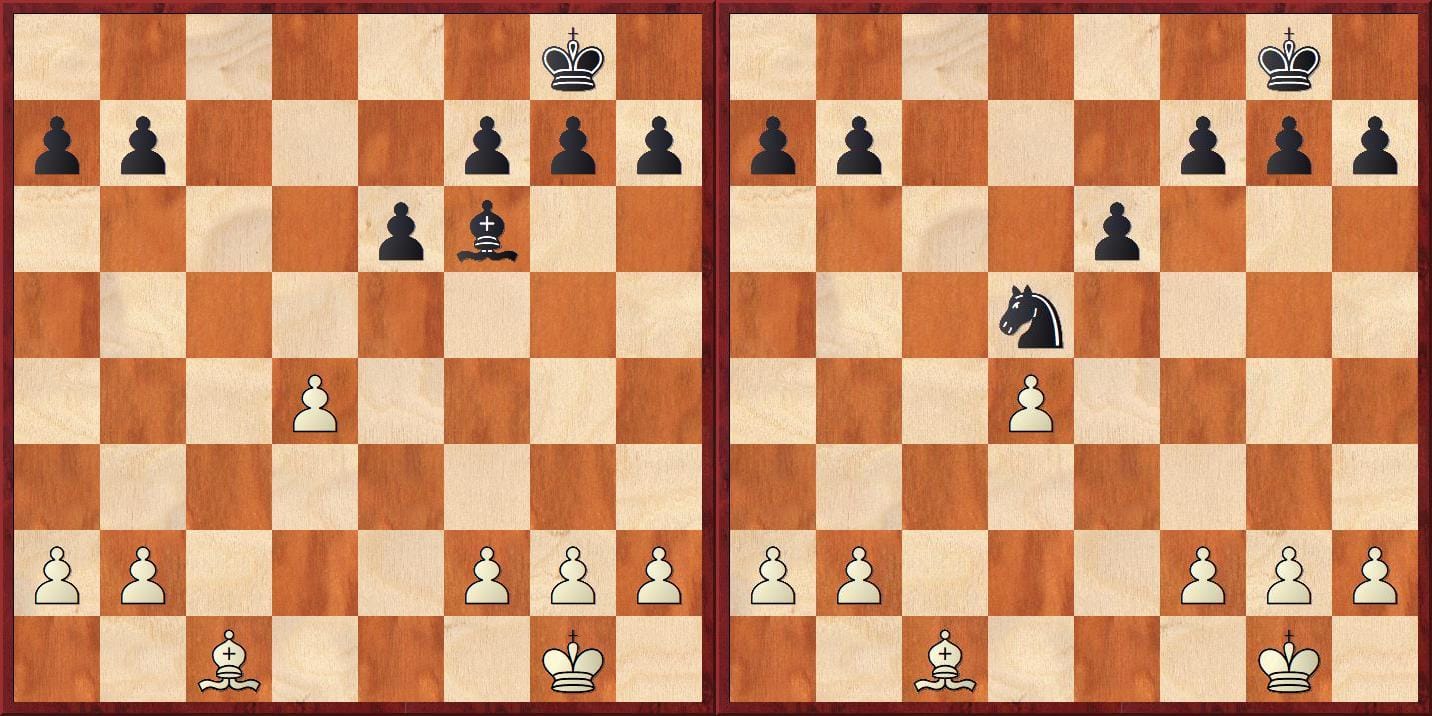
Let us add that with careful defence White does not leave the draw corridor, but on the other hand the practical chances of the side with the knight are by no means negligible. We will learn much more in the following examples.
Combination of the decade in an unforgettable match
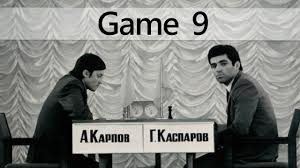
The 1984 World Championship match: thanks to a brilliant knight versus bishop endgame combination, Anatoly Karpov won the 4th game; the further course and fate of the match could hardly have been predicted even by Nostradamus himself at that moment!
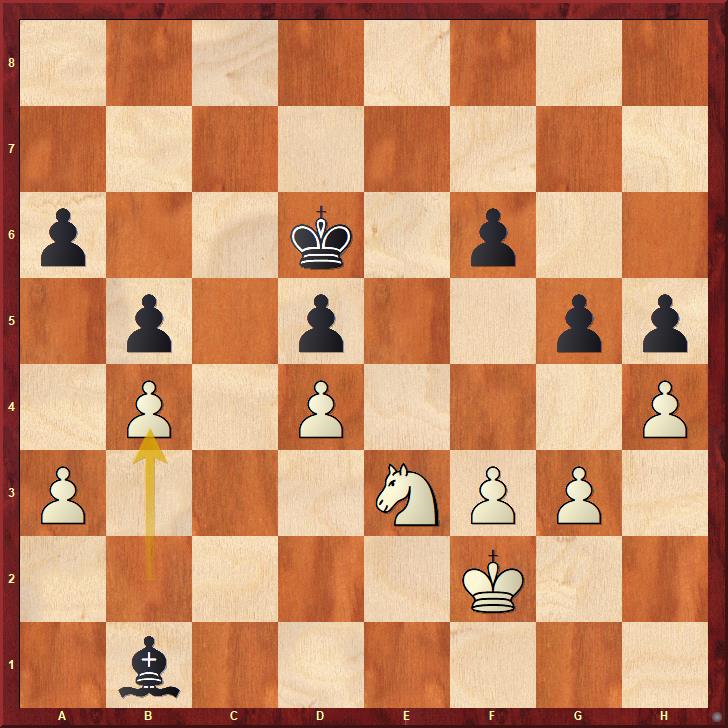
Before us is the famous ending from game 9 of the first (so-called unlimited, unfinished) World Championship match between Karpov and Kasparov from 1984-1985. (The match was stopped after game 48 with the score 5-3 for Karpov, although the original regulations stipulated its conclusion after 6 wins by one player.) The resulting endgame is clearly advantageous for White, but the draw corridor was not crossed.
After several moves of the finish and certainly still in the position analysed by Kasparov’s seconds, Black played 46…gxh4??
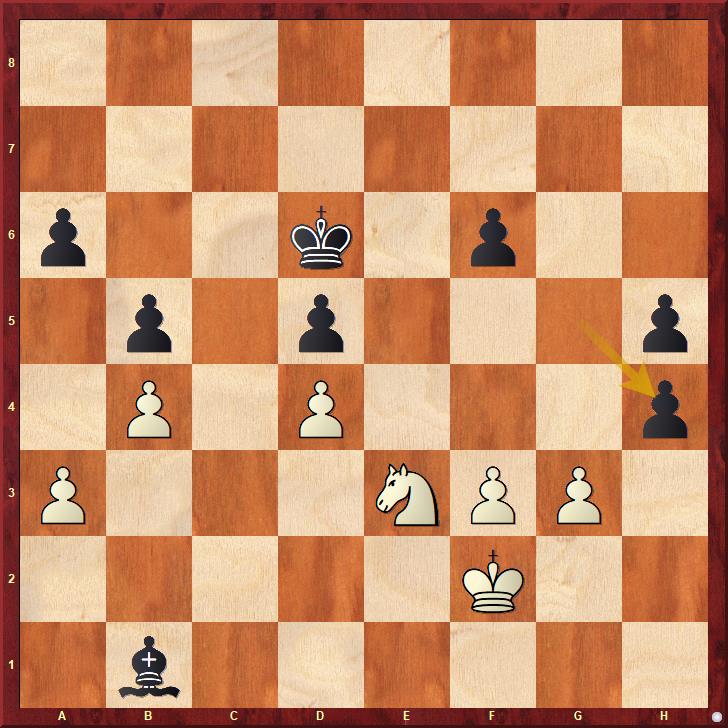
Unlike the challenger’s team, one of the world champion’s seconds noticed something astonishing… How did the world champion react?
I describe the finish, analysis of the game fragment and post-game aftermath in more detail in the viewer.
Below we can watch a video analysing the entire game.
Exchange or sacrifice? A silently respected rule
If we exchange his Bishop for Knight, this must be supported by a valid argument! However, if we accept Tarrasch's concept minor piece, then actually it is not a exchange of bishop for knight, but a sacrifice! I believe that this great German teacher also considered this when he so succinctly named the problem. As we know, the bishop is worth more in absolute terms and therefore we have the right to speak of a sacrifice.
In one of the games of the final match Firouzja,A-Carlsen,M Chess.com online (15 May 2024) the ex-world champion played 9...Nc5.
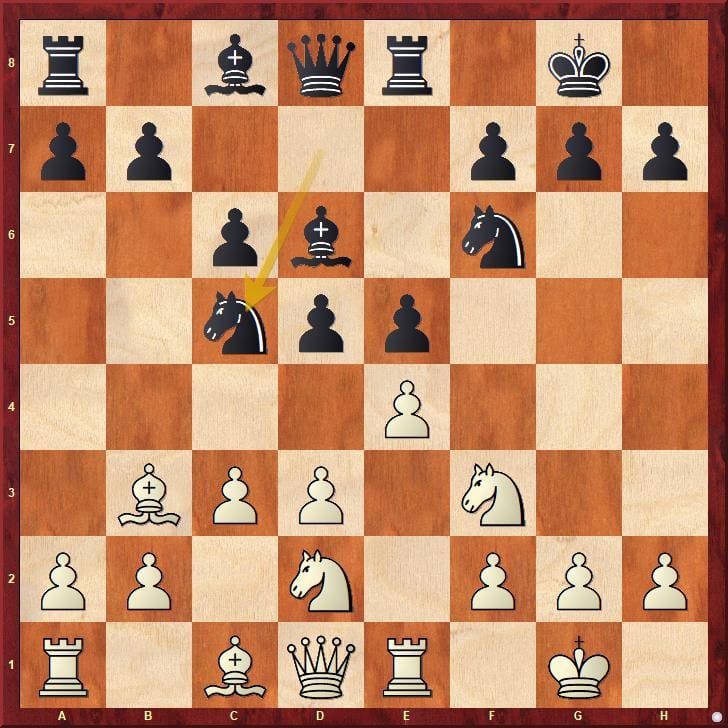
No competent chess player would immerse themselves in deep thinking like: „Nxd3 is threatened. The opponent has more space, so I should get rid of the burden of surplus pieces and play 10.Qe2 or 10.Qc2…,“ 🙂 but will automatically respond with the only correct move 10.Bc2, even though at that moment the light-squared bishop certainly does not make a particularly charming impression on us!
So, to concretise a rule silently respected even by very strong players, but without dwelling too much on a theoretically quite clear issue, I have selected only a few examples for the reader. This time we will move away from endgames and at the same time try to consider whether it is sacrifice of a minor piece sufficiently justified positionally or dynamically, or on the contrary an unjustified loss.
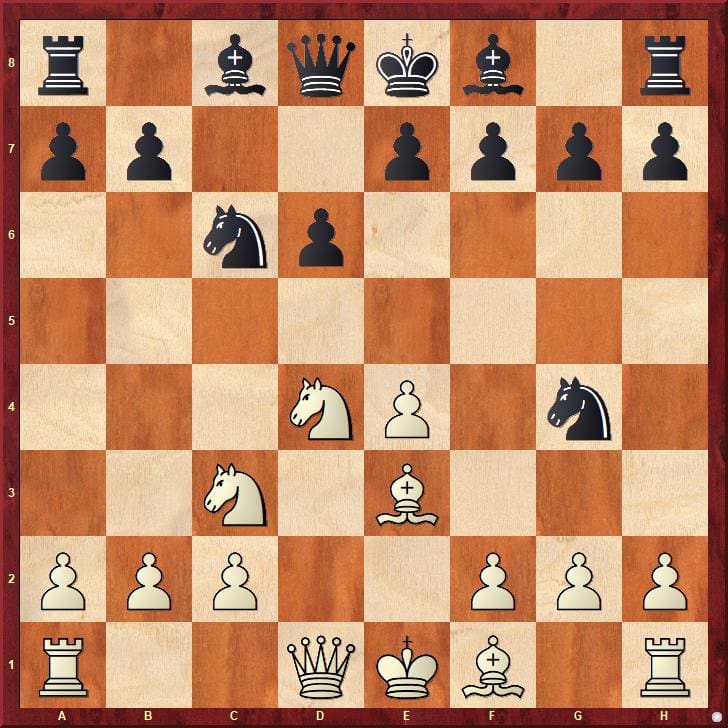
How would you continue in the position of the diagram (after 6...Ng4)?
Much more about the problems of exchanging (winning) a bishop can be found by the reader in my old two-part work „The Bad Bishop – Reality, Dogma or Chimera?“ in the Analyse section.
The paradox of invisible moves
In the following chapter, we will also delve into psychological problems. What does the author mean by the term invisible moves? Instead of explaining, let us look at the diagrams below. In the game Kamsky,G vs. Tivjakov,S (Daugavpils USSR 1986) Black continued 14...Nd7.
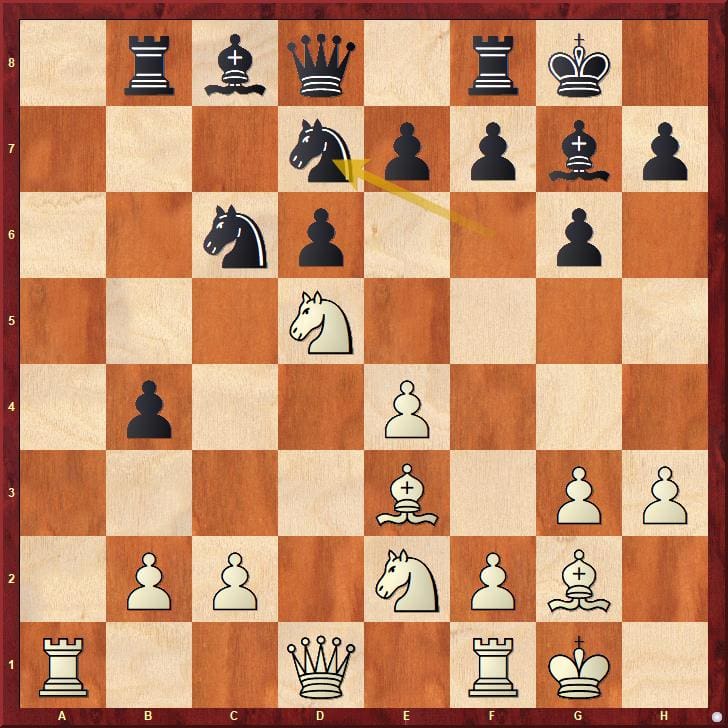
White, like many others before him, was reluctant to defend the b2 pawn passively with 15.Ra2 or 15.Qc1 and played the certainly pre-planned 15.Nd4.
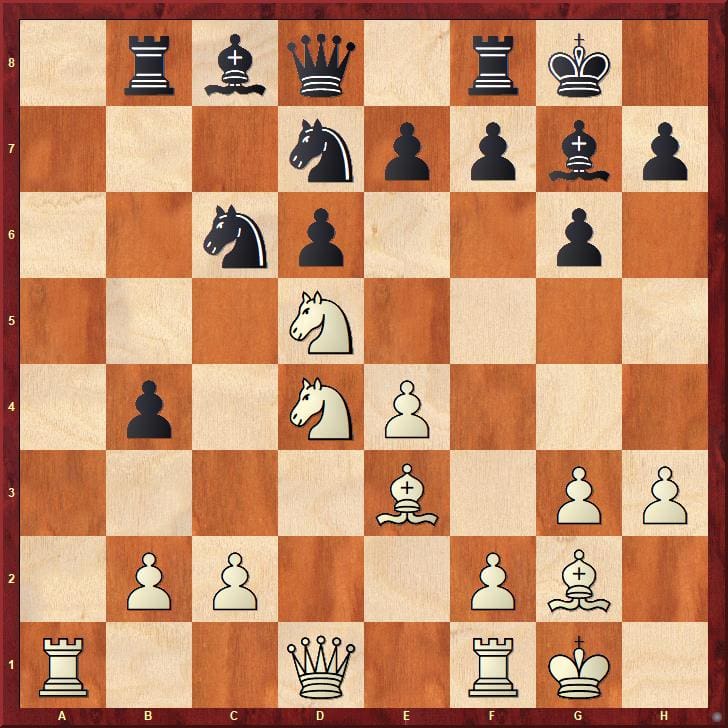
What followed was exactly what not only I myself call in my databases, teaching and works an invisible move. How would you dear readers continue on Black's move? The above text also serves as a hint…
The detective story of Vladimir Georgiev
During decades of a career as a full-time professional coach, I have almost constantly taught some of my pupils the accelerated Dragon variation. Therefore, I was interested in how to optimally fight against setups with the fianchetto of the king's bishop, and the trap with the invisible move could not escape my attention. Well, I started from scratch: I created a database, statistics, and within the possibilities of the time, I began to study White's setup. I could not avoid encountering the name of Vladimir Georgiev, a Bulgarian grandmaster who in 1997 and 1999 won at least two serious games with Black precisely thanks to the invisible move (just like Sergei Tivjakov).
But what a surprise it was when I looked through the entire list of games. There appears in the databases a game from 2001, in which our hero defended the white pieces instead, so that 15.Nd4?? he repeated the move himself!! Was it then a severe memory lapse in the 26-year-old newly minted grandmaster? A double retrograde amnesia? Truly a detective mystery! Well, as Sherlock Holmes said: „When you have eliminated the impossible, whatever remains, however improbable, must be the truth.“ 🙂
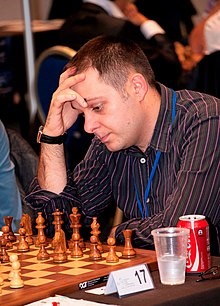
Grandmaster Vladimir Georgiev (*1975), the main character of the detective story from the turn of the millennium
Typical and rare invisible moves
So-called invisible moves (unexpected, even seemingly paradoxical exchanges or small-piece sacrifices) could of course also be divided into different groups. One parameter for classification could be, for example, the frequency of occurrence of a particular manoeuvre in practice. Below I will also give an example of another typical bishop-for-knight exchange that occurs in the opening. The statistics of overlooked bishop-for-knight exchanges in the starting position are indeed not only interesting but from a certain perspective even frightening. Well… stereotypes! The last example I will dedicate to an unexpected exchange – a sacrifice in the middlegame.
The chess Philadelphia experiment
Invisible ship, invisible move. Can you catch it? 🙂
The educated reader probably knows what happened – of course only according to so-called conspiracy theories 🙂 – in Pennsylvania in the war year 1943. The aim of the „Project Rainbow“ experiment was to make the American destroyer USS Eldridge invisible. A fairly successful sci-fi film was even made about the failed attempt and its unexpected consequences, in my opinion.
I felt somewhat similar when, many years ago, one of my chess friends presented me with the following diagram to solve, which he found in the book „Thinking outside the box“ by the world-renowned coach and theoretician Jacob Aagaard.
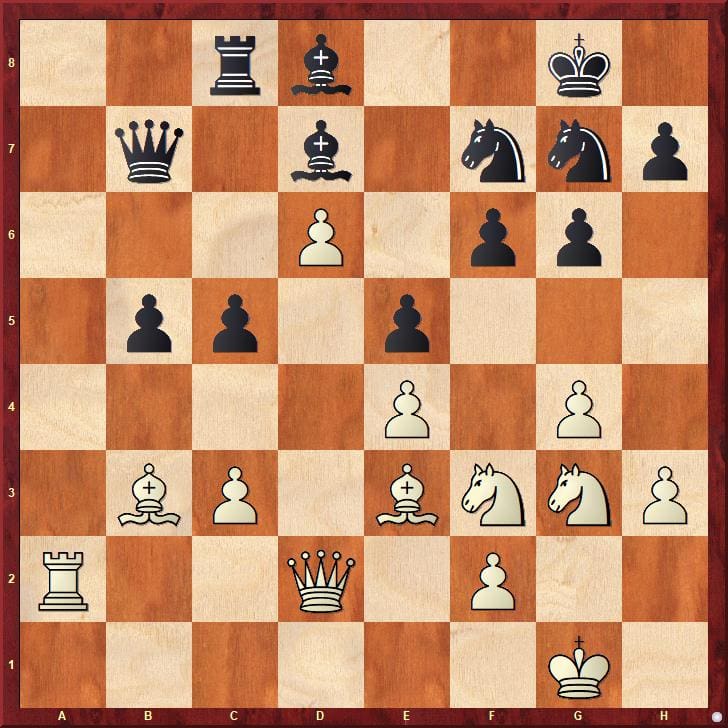
„How should White continue best?“ That was the question at the time. So I ask you the same, dear readers! Many, including some elite grandmasters, failed this test, but we can rely not only on the issue of the relationship between the Bishop and the Knight, but also on a chapter of this work…
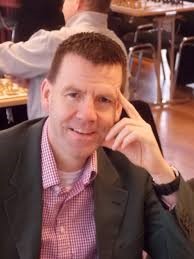
Grandmaster Jacob Aagaard, world-renowned author, coach and successful successor to the work of Mark Izrailevich Dvoretsky.
Trouble with Fischer's comment
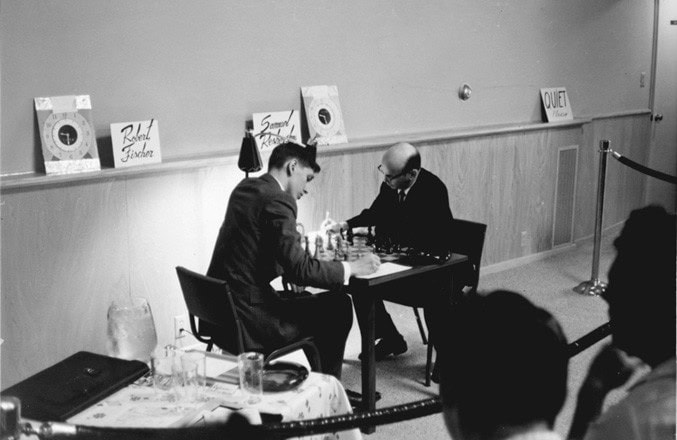
A memorable photograph from the match of two greats and geniuses. Reshevsky vs. Fischer, New York/Los Angeles 1961.
The conclusion of our journey behind two heroic chess officers, Bishops and Knights, their rivalry, pride, rises and falls, I dedicated again to a return to one bookish verbal note by the 11th world champion Robert James Fischer.
Bobby was of course not nurtured by the Russian and Soviet chess school, although, as is known, he learned Russian in order to draw from what was then not only the best but practically the only continuous source of information. He was a staunch supporter of Steinitz's view on the value of the bishop.
That innocent gloss concerned the following position from the game Reshevsky vs. Fischer, game 11 of the match, Los Angeles 1961.
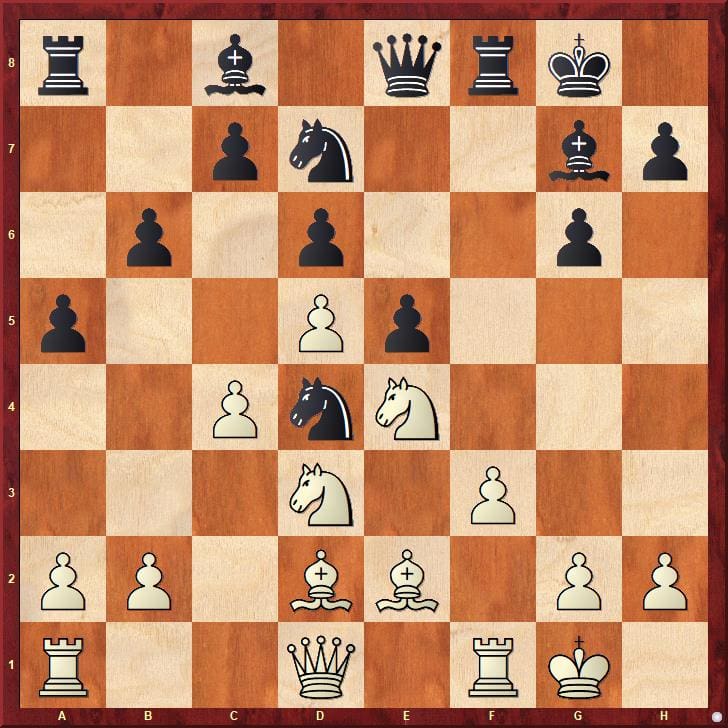
I further quote from my old article: „In the young chess player's library at the beginning of my career, the most cherished book for a long time was „My 60 Memorable Games“ by Bobby Fischer. Not only was it truly a great catch back then, in the first half of the 1970s, but from this book, where the world champion himself commented on all his games, I learned a great deal. However, there is one ‚but‘! One position presented in it, or rather Fischer's comment on one of his moves, kept me awake for a long time. Look and judge for yourself whether Fischer's comment on Black's 16th move is clear to you, whether you agree with it or, on the contrary – in the extreme case – do not believe your own eyes, do not understand, or consider the verbal comment absurd!“
White continued with 16.Re1
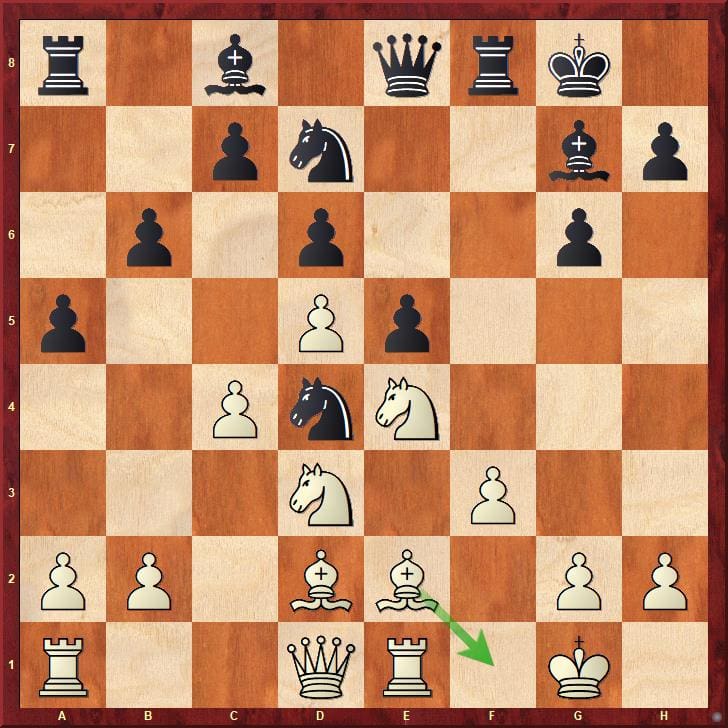
„A crucial moment, which I mentioned above (which prevented me from peaceful sleep 🙂). At that time, Fischer's following continuation seemed to me an absolute positional blasphemy and his subsequent explanatory comment much more than just absurd. 16...Nxe2+ Fischer,R: „Otherwise White's bishop will retreat to f1.“
„Unbelievable,“ I said to myself then while replaying the game and deduced, „according to the comment, Fischer considers the structurally bad light-squared bishop stronger than the centralised knight on d4!“ (According to another hero of my student career, A. Nimzowitsch, the diagonal outpost on the h8-a1 diagonal!) My ambivalent attitude to the exchange on e2 was further deepened by the fact that the subsequent course of the game seemed to me completely unconvincing in terms of evidence, whether for one side or the other. I simply did not like the game as a whole at all.“
Fischer therefore considered it necessary and obvious to exchange the bishop, although even – let us say – a not very advanced chess player sees that the centralised knight is at that moment not only Black's strongest minor piece but rules the entire chessboard! In an old article I tried to prove, , consideration a decision of the future world champion were completely correct. Well, and what do the computer monsters say about all this? Let's have a look!
Conclusion?
This could be, at times, a scientific or philosophical treatise, but I hope above all else a suitable teaching material, could be concluded with a light-hearted lesson: „Value your bishops, they are often stronger, but the knight is a devil!“ Could, what if…
The latest fashion
was written not only in cases when a new move, concept or entire opening system appeared on the scene. At the time when I was working on refining analyses of classical endgames and repeatedly changing their evaluations, fashion really shouted or rather roared! As loudly as possible in today’s crazy and dangerous times.
If we wanted to name the main character of that roar, leaving out chess players including engines 🙂, then the undisputed hero – Superman – becomes the Bishop! Let’s see what is unfolding today (so far only?) in online blitz.
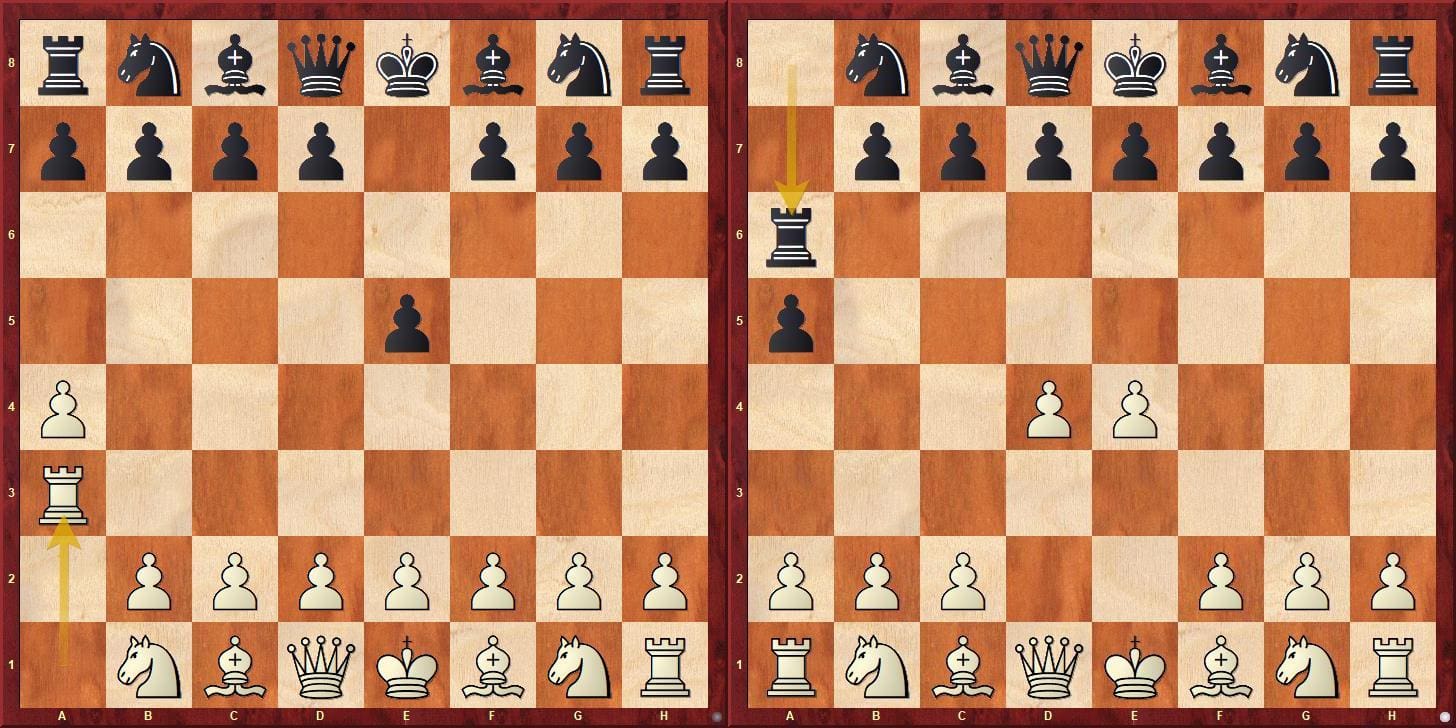
The celebration can begin! The bishop was promoted to a senior officer in the first half of the 2020s and is equal to the rook! If we want a signature from those more qualified than mere jokers or chess beginners, let us examine games Titled Tuesday internet blitz open from 7 May 2024. Petition namely signed also by former world champion and current world rapid champion Magnus Carlsen…

It certainly would not be appropriate for me to end my work with such a spasm, however typical for today's crazy times. So let us recall, dear readers, the fourth world champion Alexander Alexandrovich Alekhine: „Yes, I consider chess an art and accept all the obligations that this entails for its devotees."
Below the reader will find all the examples also in the CB viewer.
Appendix: Authorities on the fight between Bishop and Knight Authorities