

Motto: The possibilities of chess are inexhaustible. (A. Karpov, 12th World Champion.)
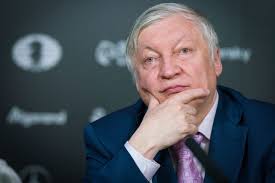
The possibilities of chess are inexhaustible. (A. Karpov, 12th World Champion.)
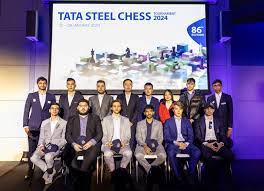
The traditional and strongly contested tournament in the Dutch town of Wijk aan Zee is behind us! Some super grandmasters surely saw it as a rehearsal before the upcoming Candidates Tournament, the World Champion planned a dignified return after almost 10 months of absence, the Women's World Champion wanted to achieve the best possible result and perhaps join her two predecessors who managed to win strong men's tournaments, and others perhaps hoped to break into the world elite. But why does the author choose such a title for the article when there is no mention above of pessimists and gloomy predictions for the future of (serious) chess!?
„Chess is facing a death by draws!“ proclaimed the genius José Raúl Capablanca at the beginning of the 1920s. Probably also based on the fact that he did not lose a single tournament game for 8 years! He was wrong – of course, and later even stated it was a joke! The prophecy of a crushingly high percentage of draws then periodically repeated itself, usually forgotten with the arrival of a new chess genius, only to after some time come back into play. In 2018, already during the World Championship match between Carlsen and Caruana (which ended 6-6 after 12 draws and the World Champion defended the title only in the tiebreak), a computer neural network intervened in the problem. For example, the game of draughts was solved to a draw (the game equation solved) and everything started again. This time, however, some voices have not ceased to this day!
Supporters of this phantasmagoria probably will never stop complaining, and when cornered by, for example, the huge decisiveness of the just finished tournament (almost 50%!), they will at least argue the ever-expanding opening theory and perfect machines… forgetting that the capacity of the human brain is (at least at our current level) limited and implanted chips are at most in the testing phase. (Recall the ‚young man without a smile‘ Hans Moke Niemann and his strange results… I do not take away anyone's opinion, however.)
Chess has been played in a largely unchanged form for half a millennium, it brings joy to millions and millions of intelligent people, so why change anything? (If you, dear readers, in connection with the words millennium and change thought of a similarity with the number of genders, that is, that for thousands of years men and women walked the world, but today there are over seventy other genders, then it is, in the phrase of Professor Staněk, a complete coincidence 🙂 )
Of course, Wijk was not just about decisiveness or the fact that 3 of the 4 tournament winners had even significantly higher decisiveness (all +6 -2 =5)! There were so many beautiful moments, rises and falls that not even a fairly voluminous tournament bulletin would cover them all, let alone some video library.
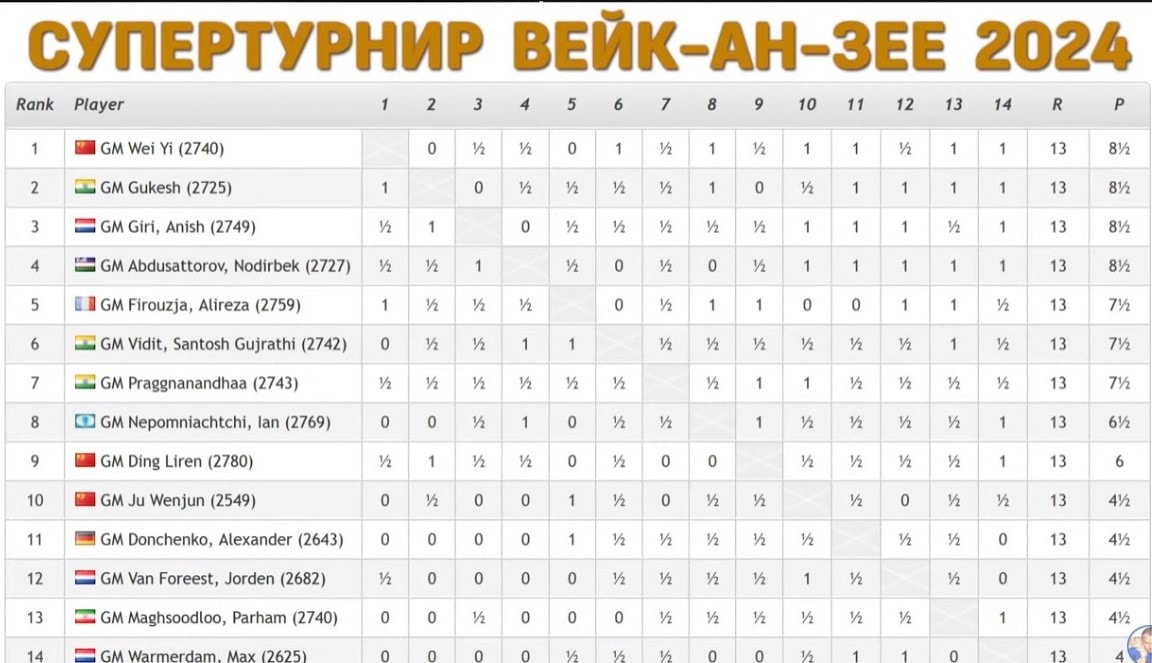
Final tournament table. The order for 1st and 2nd place was primarily determined by the subsequent ‚blitz tiebreak‘ (the video from the final can be watched below by readers who love battles of this format).
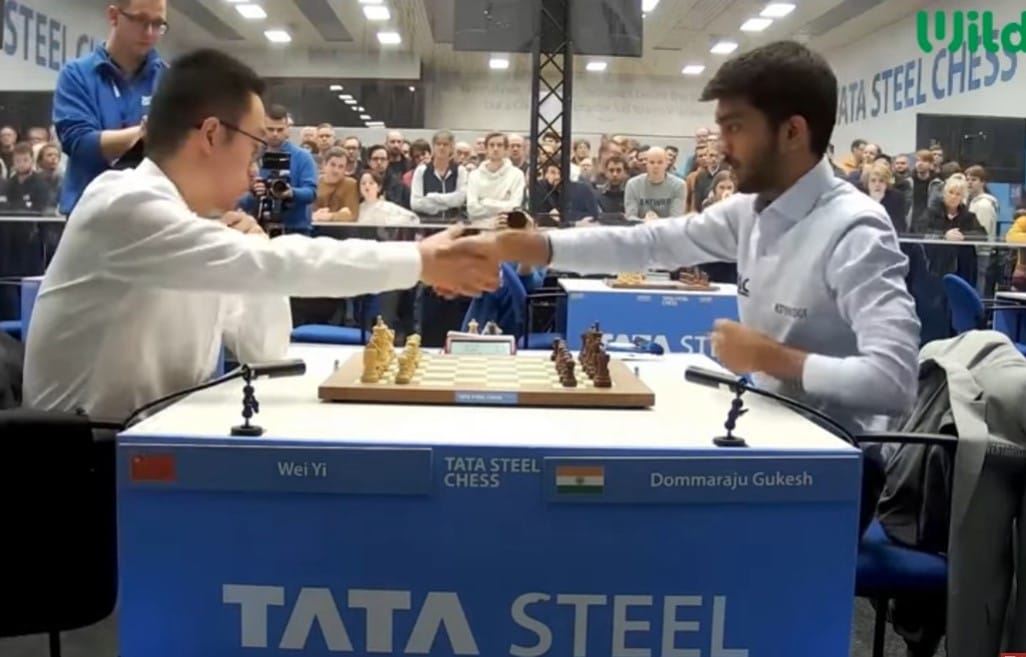
The decisive battle. Readers can learn more about the Chinese miracle Wei Yi in an older article in the section Analyse (Analysis no. 10 – August 2015 – Analysing the brilliant game Wei Yi vs. Bruzon Batista; we will try to find out whether the Chinese miracle calculated the series of sacrifices to the end or rather estimated the situation…)
So there was nothing left but to choosing among sweets. Well, and because this is my website, the following lines and examples are primarily dedicated to my favourite young chess players. If I caught the proverbial goldfish and could make three wishes, one of them would certainly be this: „I would like to live to see the moment when at least one of the chess players whose games I will analyse below ascends to the chess throne.
A seventeen-year-old human calculator à la Kasparov
Above all, experts in the field should be interested in the change in the age composition of the participants. The thirteen-round tournament had the following ages: 17, 18, 19, 20, 23 (2x), 24 (2x), 25, 29 (2x), 31, 32 and 33.
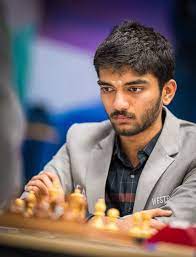
The following lines are dedicated to the youngest participant in the tournament. I have already devoted several posts to the young Indian super-grandmaster, but the calculation skills and imagination he demonstrated in the following game simply left me no choice. No, I do not think Dommaraju Gukesh will win the (already) April Candidates Tournament. Compared to most other participants, he is inexperienced, his knowledge of his own opening repertoire causes theoreticians – to put it mildly – occasional raised eyebrows, many others surpass him in positional play, but… believe me, dear readers, since Robert James Fischer I have not seen a more fearless fighter thirsting for blood at the board! „I am happy when I feel that I am breaking my opponent's will!“ once said the 11th world champion…
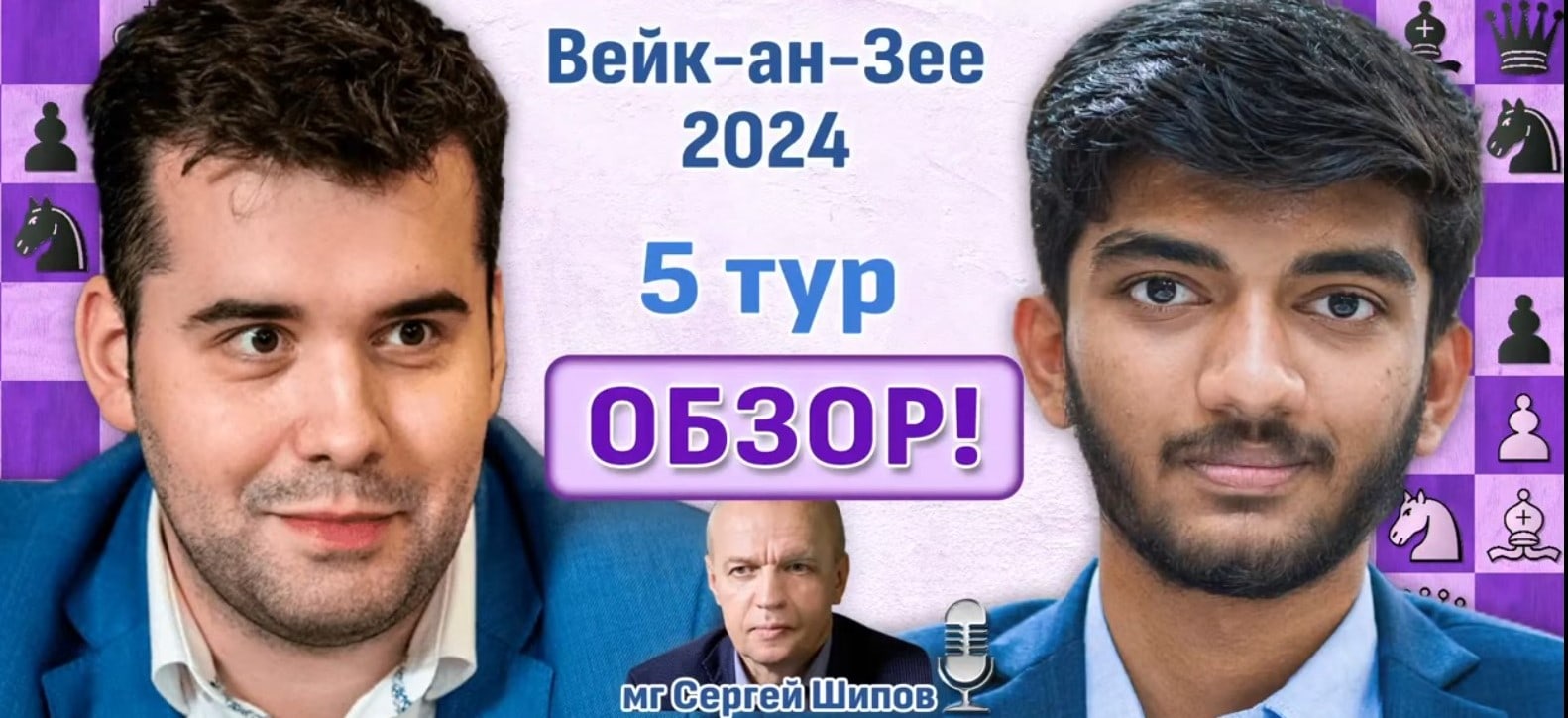
Round five of the tournament, two-time world vice-champion Jan Nepomniachtchi to move in a position of approximate dynamic equilibrium 34…Bb4??
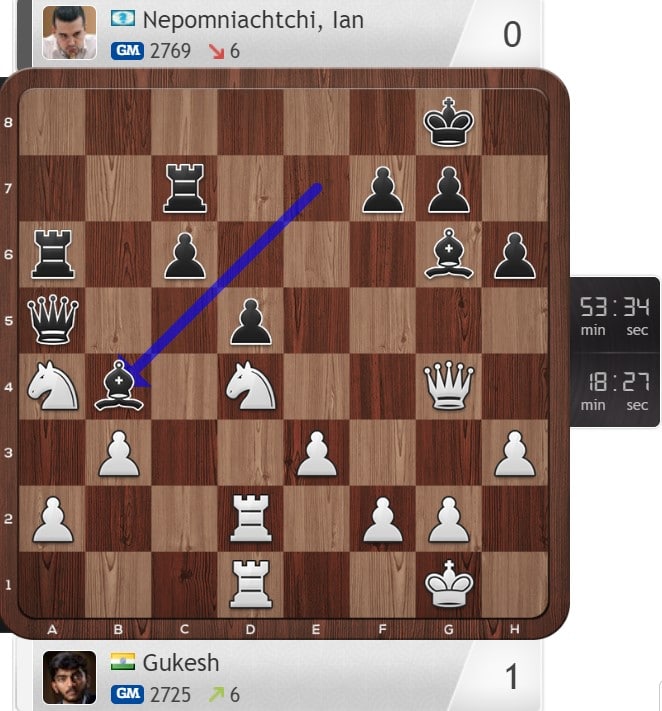
How would you continue if you were White? What variations would you be able to calculate?
The entire game, both in a shortened format and in full (which I recommend downloading in .pgn format), can be found in the players below, as well as an analysis of a very instructive queen endgame into which the game could have entered…
Below is the full game, including brief notes concerning the opening.
It is clear that the participants took the Wijk aan Zee tournament as a kind of rehearsal before the Candidates Tournament, so the final results can also be taken with some reservation (after all, we should still see the young chess players at the tournament in February 2024 in Prague). I therefore expected that the three Indian players would not engage in extremely sharp battles among themselves, and that, like the Chinese, they would rather steer their games towards calmer draws. Not a chance! Let us see what battle broke out between the two youngest participants in the penultimate round.
(I will add that the young prodigious Indians apparently do not think like the Dutch, who at least in the penultimate 12th round saw the elite grandmaster Jorden Van Foreest lose to White in the Exchange French to Girim… in a miniature! This case, which from my point of view is obvious, is dealt with in the last, somewhat mathematical chapter of the post)
An important note for advanced and diligent readers: none of the web players I know show anywhere near perfection, and in videos the author can at best skim the surface of the variations. Therefore, I recommend downloading the thoroughly analysed games and fragments here in .pgn format to your computer and then preferably converting them back into ChessBase format .cbh. This will also enable the display of all mnemonic aids that the author has inserted into the examples and analyses, numbering of variations; it is possible to shuffle, switch off or restore variations and so on.
Unprecedented stamina of the Uzbek youngster
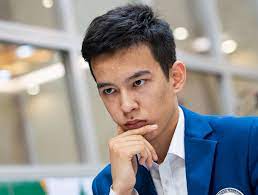
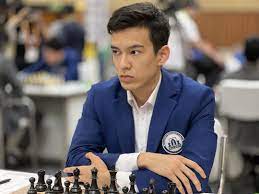
If anyone among the participants truly deserved to win this year's Wijk, it was Nodirbek Abdusattorov. I have also written about this composed 19-year-old on these pages. If we can compare Gukesh to a Kasparov-type calculator, then Nodirbek's style is much more technical, impenetrable, his opening repertoire more sophisticated, and in preparation for games he certainly uses psychological factors to a greater extent, making him a real challenge to beat today. Abdusattorov's time is yet to come! He is the third musketeer in the group of teenagers alongside Gukesh and Praggnanandhaa. According to me, a game that truly defines his style is the one in which he defeated currently probably the second strongest player – the technician (of course after the genius Carlsen) Anish Giri.
Firouzja cannot be missing
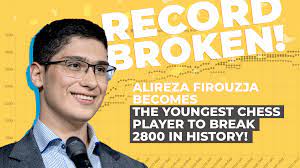
Golden times! Alireza Firouzja also occupied 2nd place on the world rating list.
What kind of article would it be if I did not mention a tournament participant who, although not on the podium, we will hear a lot about in the future. We just do not know in what sense and by whom he will be mentioned. This Iranian genius, currently a French student of fashion design, temporarily returned to chess to, in his own words, win the Candidates Tournament… Two examples from the tournament that I selected quite accurately illustrate the fact that the most naturally gifted chess player of the 21st century does not work enough on chess. Instead of deep immersion into studying strategy, endgames and working on opening repertoires, he may in the future invent fashion trends for all 70+ genders… and that will, surely you will agree, be quite demanding. The picture below, I think, also says a lot…
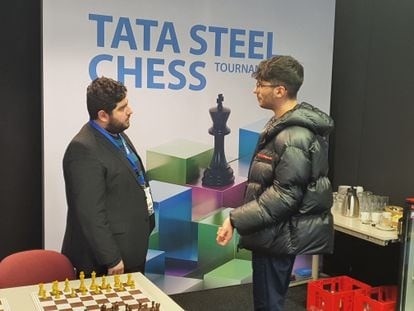
Firouzja kept his jacket on or at least close to him throughout Wijk. Here he is talking to his former Iranian teammate and opponent Parham Maghsoodloo.
„The Dutch mystery“ or what does probability theory say?
Because I assume that dear readers are very intelligent people who, for example, have no problem correctly solving the ‚equation‘ 2 + 2 x 3 = ?, as the head of a medium-sized state, I will allow myself a small excursion into the world of stochastics. In closed tournaments, as is known, participants should draw starting numbers. In Wijk, as we see in the table above, 14 participants started, of which 3 were Dutch. So if the organisers really let the players draw (there is also the possibility that players from the same country played their games in the first rounds, which we can call artificial drawing), the probability (a dependent event) that the best Dutch player Anish Giri would play the penultimate and last round of the tournament against Jorden van Foreest and then against the young Max Warmerdam is really not high! 1 in 156 🙂. So if 156 Wijk tournaments were played, once the draw would come out ideally for Giri like this… I will not analyse further, just point out that thanks to wins in rounds 12 and 13 he caught up to the leading trio at +4.
Now, dear readers, let us look at the amazing miniature that the Dutch super grandmaster managed to create in round 12 🙂
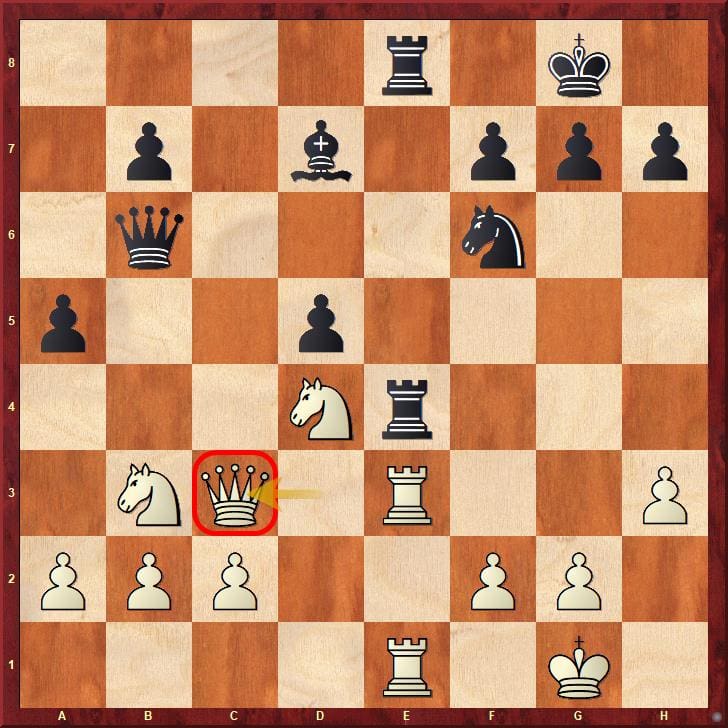
A small test: in the diagram position, White just played after 48 seconds of thinking (!) 21.Qd3-c3. If the manoeuvre of the queen directly onto the opponent's open file in the game even occurred to you, what reply would you expect first and foremost?
As part of statistics, and perhaps also because I have known Giri's style and habits for a long time, including quite frequent sarcastic remarks from former world champion Carlsen about him, I managed to check when he last won a serious game with Black within 25 moves against a roughly equally rated opponent. It happened in 2014…
The post-game statement of the happy winner can be viewed below. Trained psychologists would surely find it fascinating...
Well, that is all for this time. Of course, we can find many more interesting moments from the tournament in various videos...