

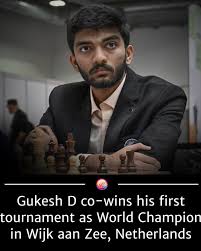
In the second part of the analysis of this year's traditional tournament in Wijk aan Zee, we will focus instead on the most beautiful examples, the most valuable theoretical novelties and new recipes in the fight against the French Defence. In what form did the world champion present himself? Gukesh's Dr Jekyll and Mr Hyde. Chess is changing before our eyes and youth is pushing forward! Praggnanandhaa formally won in Wijk, but we would rather ask fate (the Matrix): will we ever see a Gukesh-Abdusattorov match?
Enchanting moments and gems of this year's Wijk
If we focused on the positive aspects of contemporary chess and compared today's sometimes extremely fierce battles at the board with those that took place half a century ago or more, then we would have to highlight the fighting spirit and literally the thirst for blood! Surely this is also due to how many young players are currently pushing to the very top. Even a comparison with the period 10 years ago strongly favours the present day, so much so that many might consider the tournaments of 2015 or 2016 boring. Well yes, certainly to a large extent this was contributed to by the phenomenon of Carlsen. The effort to copy not only his style but also his chess philosophy then took its toll. The fact that I am not speaking into the wind would probably be confirmed by tournament result statistics. This year's Wijk could not boast as high a result rate as last year, but even 40% the result rate is satisfactory 🙂 .
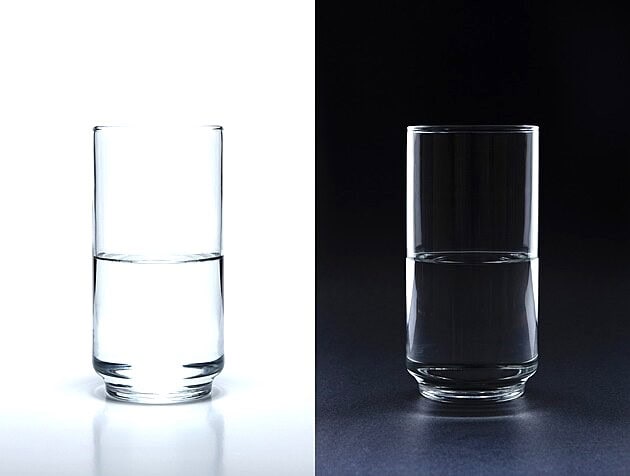
If in the previous article we focused attention on the number of blunders (preferably outside of severe time trouble), it is time to demonstrate truly enchanting moments. So – in a way – to replace a half-empty glass with a half-full one.
True, the first and most beautiful combination remained behind the scenes, and at the board we could only see the beginning of a combination which would otherwise (earlier) have entered history. Nevertheless, I cannot pass it by. With the diagram and task, the reader could already become acquainted in the preview at the end of the previous contribution.
It could have been the combination of the year, if only…
Not only for textbooks of tactics but also for the hall of fame could the magnificent combination by Black in the round 1 game Gukesh vs. Giri, what if…
The first encounter after winning the highest title represents an especially great psychological burden for new world champions! It is said that, for example, Anatoly Evgenievich, after being awarded the world champion title in 1975, lost his first game (however, I have not been able to verify this and even artificial intelligence does not catch it). Dommaraju really did not play the game well and in the diagram position he was probably saved from defeat only by the opponent's extreme time trouble! He himself was also in time trouble.
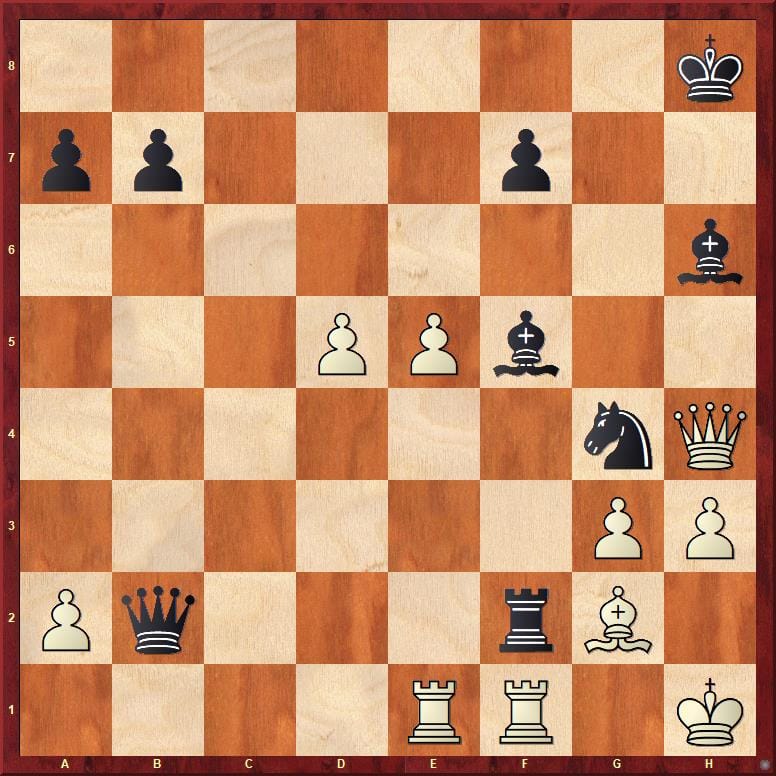
Nevertheless, in the diagram position Anish have found the only winning continuation. He failed two moves later (the combination can be divided into two parts). How would you continue with Black and on which variations would you rely? After all, unlike the two super grandmasters, we can spend hours on the position...
Below, dear reader, you can compare your solution with reality both in the viewer and in the traditional Sagar video. The whole game was so interesting that I immediately that same evening and night, full of impressions and amazed by its drama, subjected it to my own analysis!
Another gem of the tournament belongs, however, already to the world champion! In the round 10 game Warmerdam vs. Gukesh the following position arose after White's 29th move.
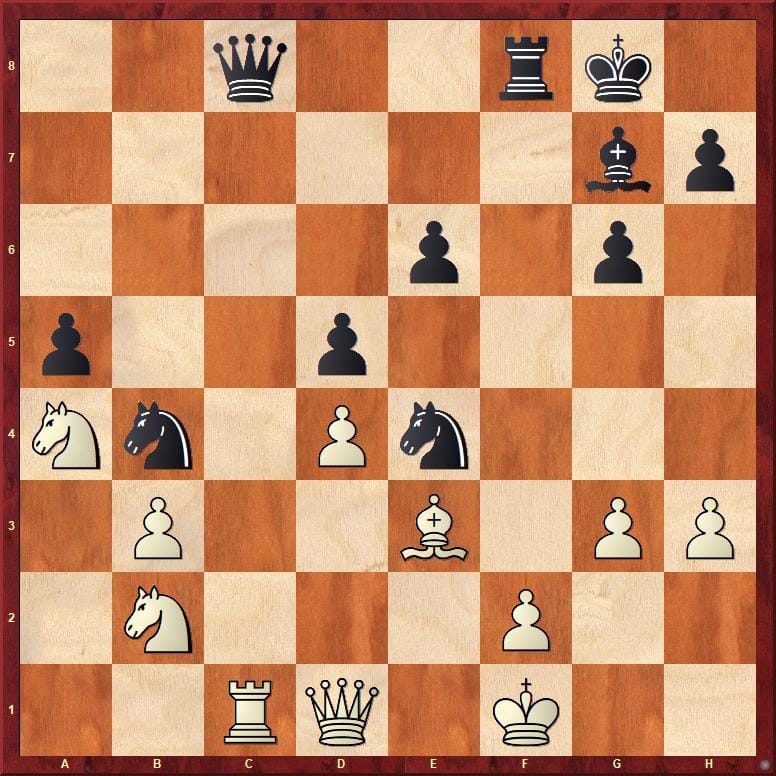
Can you find the winning continuation for Black? If you want to try solving it, do so now, because the winning manoeuvre continued and the main test awaits you below, dear readers!
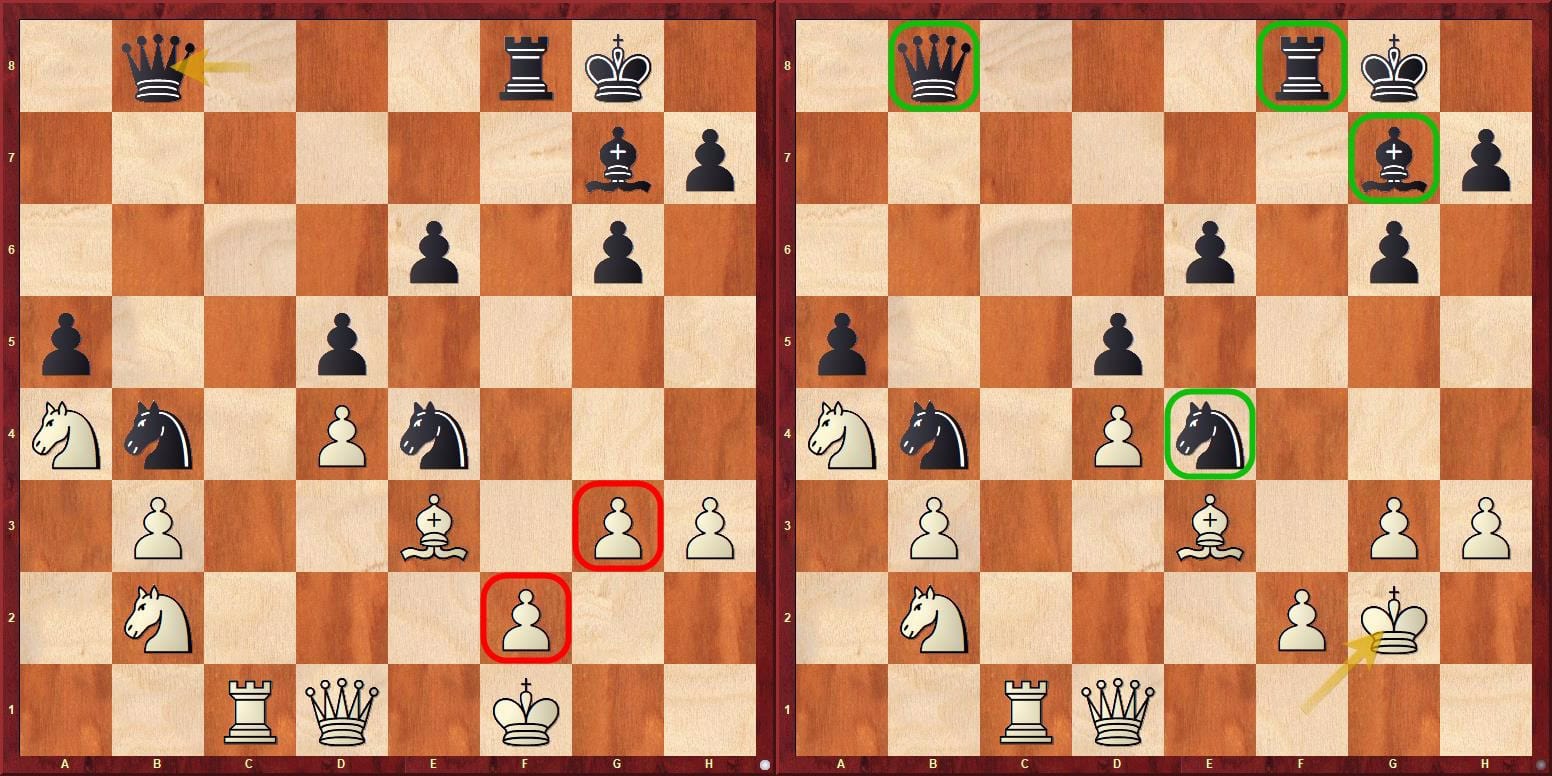
After the brilliant 29...Qb8! White could have continued 30.Kg2. The position of the right diagram would have arisen. Can you find (again the only) winning continuation that the world champion had prepared?
Let's return to the position of the left diagram. Warmerdam continued the game 30.Kg1. How did Gukesh finish the game?
The real gem is also found in the end of the game Caruana vs. Praggnanandhaa, which was played in round 11. As I have already mentioned, the former most prominent Indian prodigy won three games in a row in Wijk! True, Fabian did not play well and already under unpleasant time pressure made a blunder
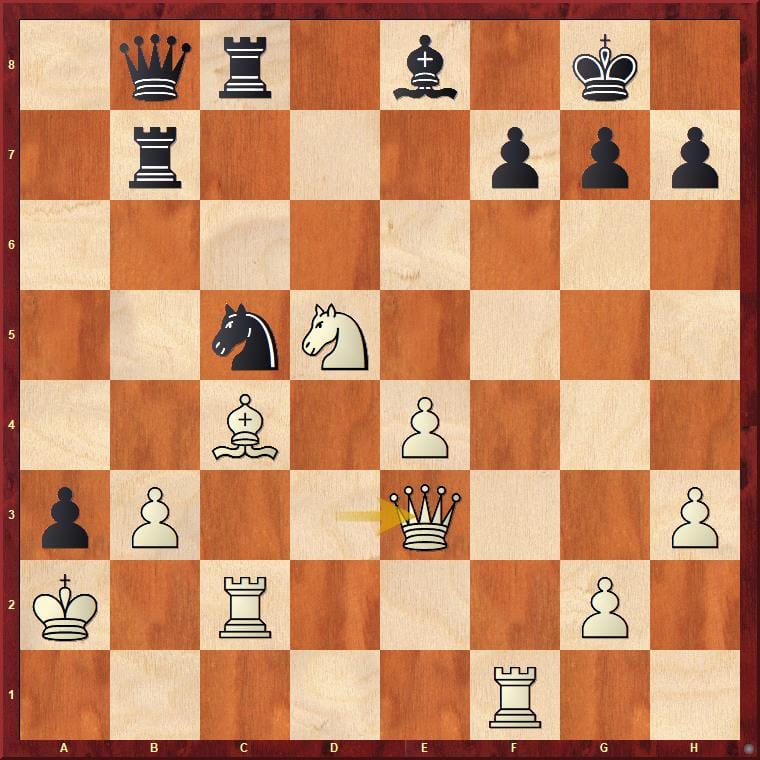
32.Qd3-e3??, thus definitively burying his chances in the tournament. The position is shown in the diagram. How would you continue and which variations would you calculate in the game?
It may be a paradox, but... one of the most beautiful moments of the tournament I had the chance to see only after the end of the 5th round game Van Foreest vs. Abdusattorov. In a short interview with Fiona Steil-Antoni (one of the most likeable presenters I have ever seen on videos, spreading an aura of calm and ease) Nodirbek showed what he calculated during the game. Let's try to match him!
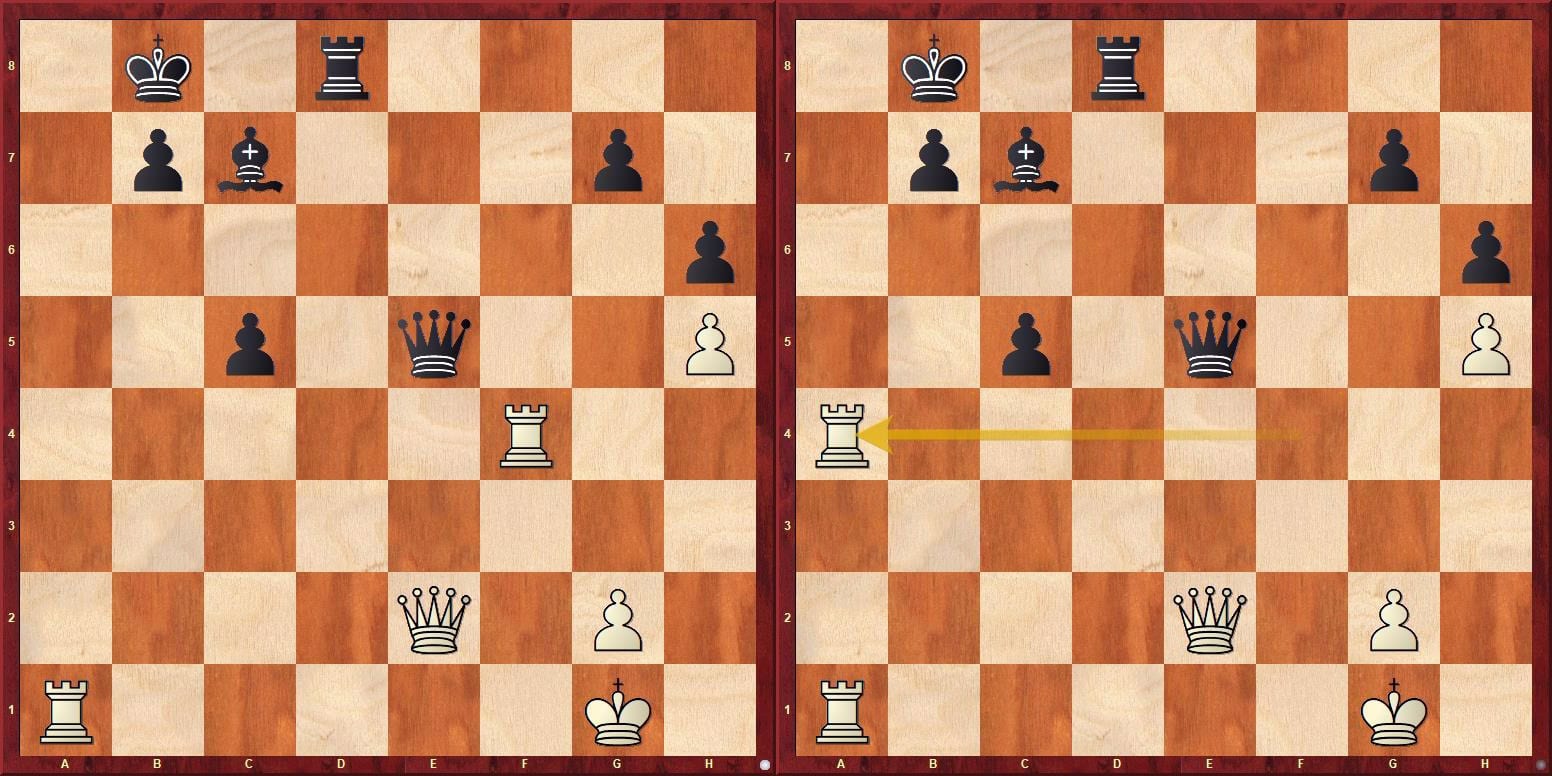
In the position of the diagrams White could in the game play 31.Rfa4 with the threat of mate on the 8th rank. Abdusattorov shows in the video a fantastic variation he calculated during the game: 34...Qh2+ 35.Kf1 Qh1+ 36.Kf2 Rf8+ 37.Ke3 Re8+ 38.Kd3 c4+!
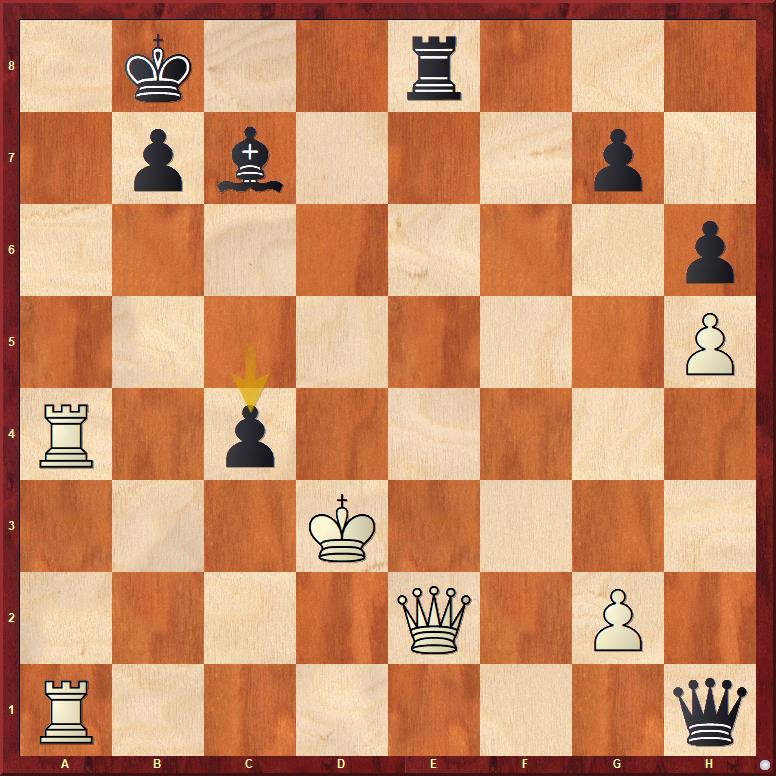
39.Kxc4 Qh4+ 40.g4 b5+! 41.Kxb5 Qg5+ 42.Kc6 Qf6+. However, here he ended the variation. But how would you continue after 43.Kb5?
What a huge difference there is between the brilliant Uzbek youngster and another former seven-hundred rated player we can see in the following brilliant example of calculation. In the game Abdusattorov vs. Sarana White played 39.Qa7+

, after which Black spent only 2 of the remaining 44 seconds on a seemingly logical but actually grossly mistaken 39...Kf8??. (Balance would have been maintained by 39...Kg8, but Sarana followed some kind of semi-concrete: on one hand, he clearly did not want the manoeuvre Nxf6 and possibly Bd5 to be made with check, but on the other hand he did not calculate the variation fully!) From this position Abdusattorov calculated a forced win… and we can practise! Let us imagine the following continuation: 40.Nxf6 Qd1+ 41.Kf2 Qxc2+ 42.Kg3 Rxf6. How would you continue?
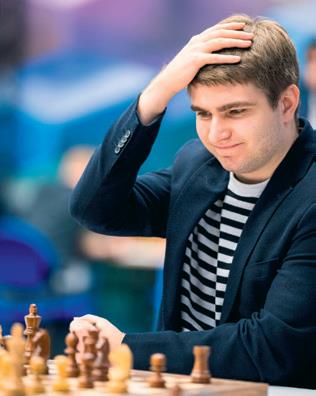
Alexej Sarana is having problems
The World Champion did not disappoint, but…
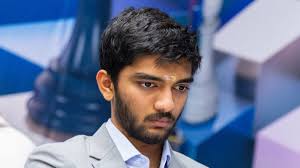
I followed Gukesh's games very closely and I am not surprised that in the evaluation of his play in Wijk, observers, specialists and fans differed significantly! If we were to evaluate his performance in the old-fashioned way strictly by the number of threatened positions, then we would have to be disappointed. The World Champion stood either completely or almost lost in several games.
But nowadays this is somehow not taken into account. With such considerations and sums, for example, Carlsen would have to be deducted so many points in some tournaments (including classical ones) that the number of his wins would shrink by more than half. Moreover, the question arises how exactly to count threatened positions or of the lost position ? If we see the opponent's forced win? If the infallible engine reveals a score of 2.50. Do we see the opponent's forced win? If the infallible engine reveals a score of 2.50 in its evaluation centipawns? More? So by how much?
In any case, whether we evaluate his overall performance by any criterion, whether we come to a positive or negative conclusion: We must state that Gukesh's performances so far still lag behind those he showed at the Candidates Tournament and especially the Chess Olympiad. On the other hand, I believe he played significantly better than in the nervous December match for the chess crown.
It would of course be a gross mistake to think that an 18-year-old youngster will be able to maintain his form from April to September 2024, just as it is wrong to imagine performance as a linear function. Gukesh is not Karpov! There are still huge fluctuations in his play. It is rather that currently unsuccessful performances are quickly forgotten. Who today, for example, remembers that even Magnus Carlsen as World Champion experienced such slumps when he finished second last in a closed tournament (Stavanger 2017)?
Both Carlsen and Kasparov became World Champions at 22 years old. The current one therefore has a full four years (!) to stabilise his form stabilised 🙂 .
The excellent annotator, commentator and coach Grandmaster Evgeny Gleizerov in the March issue of the monthly Obozreniye 64 even confides that he numbered Gukesh. Gukesh 1 is of course the one from the Candidates and Olympiad, Gukesh 2 then the one who came to Singapore to fight for the chess crown! But personally: to divide the World Champion's performance in Wijk into stages: rounds 1 to 6, 7 to 11 and the finale? That no longer seems appropriate to me.
Nevertheless, Gleizerov's point of view and the division of the Gukeshes not only reminded me of some of my didactic methods of working with – let’s say – lazier pupils, but it occurred to me that it will serve excellently as a division of the material below! Simply such a Dr Jekyll and Mr Hyde!

Gukesh 1 or Dr Jekyll
From the works of Gukesh 1 🙂 In Wijk I have selected examples that I think characterise his calculation skills and sense for maximum coordination of forces.
In round 9 the world champion met with the white pieces an outsider of the tournament, also 18 years old Leon Luke Mendonca, who qualified for the Masters tournament thanks to last year's victory in the Challengers tournament.
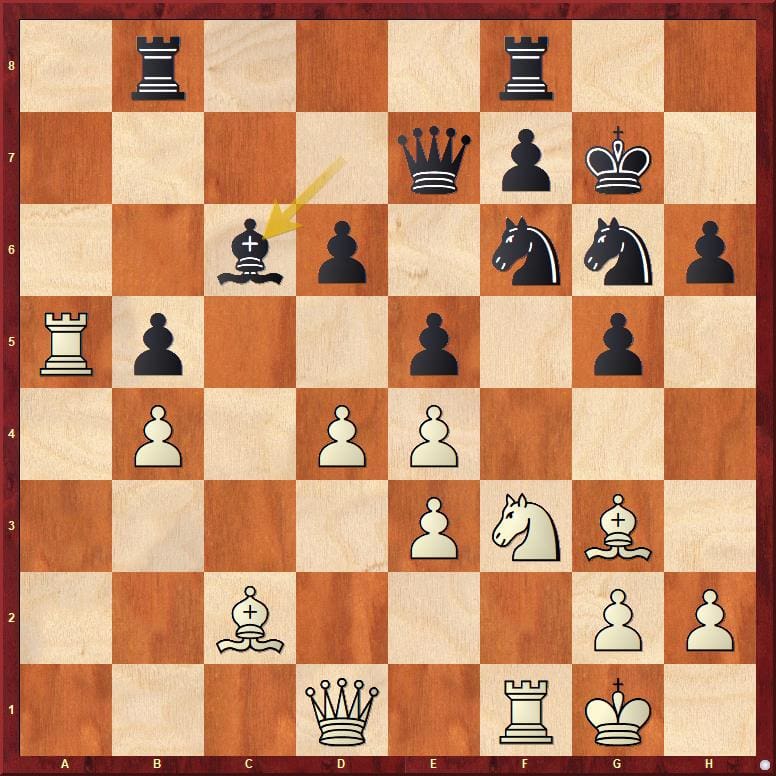
Black has just played 22…Rc6 and we have a great opportunity to measure ourselves against Gukesh in understanding the position! Only the correct understanding of the problematic situation on the diagram will help us generate an appropriate response.
Can you find the strongest continuation for White in the position?
I would rather warn less experienced readers that to explain briefly and simply, at the author's request to the viewers, how the situation with the strange queen development stands: we are not looking for tactical shots or combinations! Let us understand the position as if it stood before us on the chessboard in a serious tournament game! The clock even shows that the world champion spent 12 minutes on the answer.
End of the round 7 game Gukesh vs. Harikrishna readers had the opportunity to watch (and test themselves) in the first part of the article. The whole game and especially the opening (the world champion chose a different approach against the French Defence than in the fight for the chess crown last December - 3.e5) is so rich that it would not be right to leave it unnoticed. After all, I devoted the most space to the French Defence in the continuation of the article!

Black in the position of the French Defence struggle played 9…a6. According to the online CB database, this is the third most popular move in the position and has been played several times not only by the 14th world champion Vladimir Kramnik but also by Fabiano Caruana. The following is a strategic question that will certainly be easier to solve for those readers who know Nimzowitsch's seminal work My System and especially a chapter devoted to pawn chains!
NoteAron Isaievich's work will celebrate a significant anniversary this year! It was first published 100 years ago, although in book form only in 1927. I am really curious if anyone will remember. Probably yes, after all, every anniversary can be monetised… Nimzowitsch would probably be very surprised how far research and especially practice have moved away from his view on the issue of pawn chains!
On the question: What purpose can a knight's ear have in this position? Why does Black regularly play it?
After more than 15 minutes, the world champion also answered with a somewhat strange move at first glance. He played 10.Kh1.
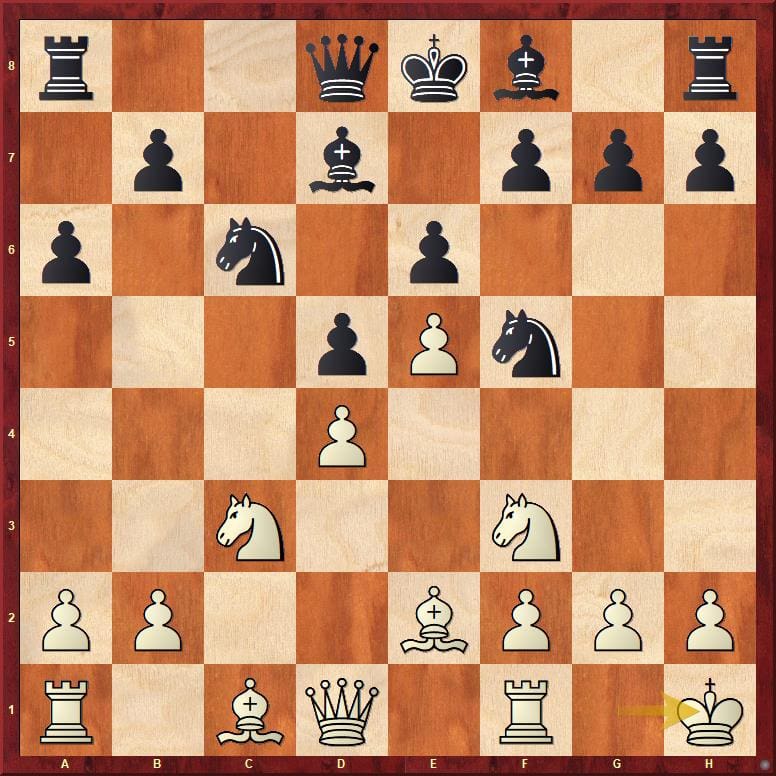
The same database even reveals to us that this is the more frequent approach! I will allow myself to ask the same question, which I will still expand here. Why did White choose 10.Kh1? How would you continue as White, dear readers?
Gukesh 2 - to Mr Hyde for fans and himself

The greatest, probably long-lasting, flaw in Gukesh's play can certainly be called overestimating his own positions! On the one hand, he is certainly not alone. In the same spirit (although only in certain types of positions) Kasparov wrote about his young years. His notes appear not only in individual game comments but he also wrote about his shortcoming in a more general way: overestimation of dynamic factors in the position! His successor on the throne, Vladimir Kramnik, also occasionally overestimated his own chances in the game. After all, probably every reader knows players from their surroundings who play for a win their whole life 🙂 .
Psychologists might tell us that this could be a character trait, a kind of extreme optimism, which naturally reflects in the game. But with Gukesh, I think it is something else. Essentially everything he touched from a young age turned out well for him. His vertical flight upwards naturally contributes significantly to this, if not being the main driving force of the emergence of Mr Hyde.
Let us look at the endgame from the game Sarana vs. Gukesh.
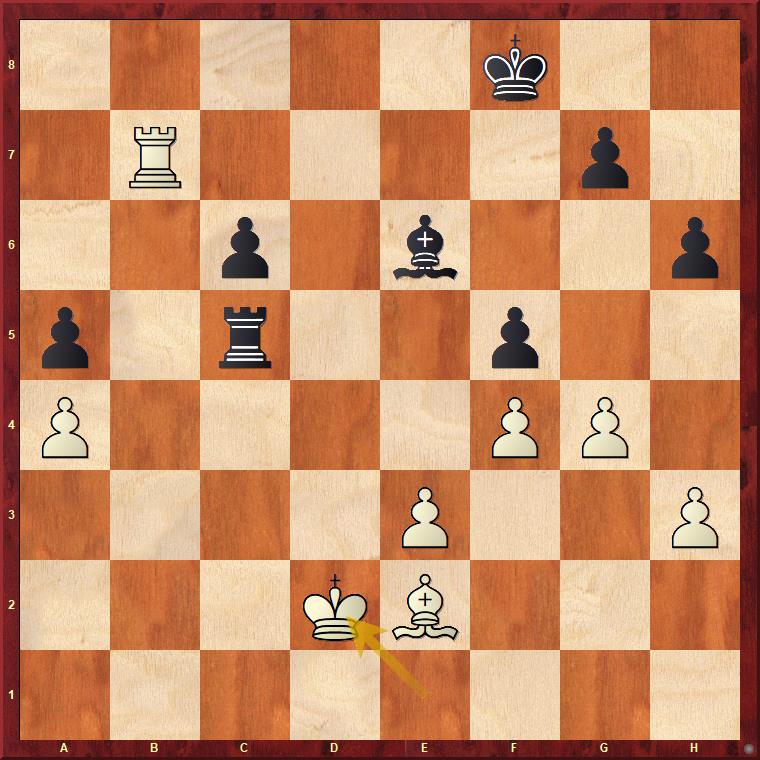
After the checking move played 40...Rd5+ we face a position of absolute equality. Although Black can boast the only free pawn on the board, the compensation is visible even to the unarmed eye of a player far from a master title: the rook on the 7th rank, the cut-off Black king... The logical conclusion would be a repetition of moves 41.Kc3 Rc5+ 42.Kd2, as indeed was played. However, after more than 17 minutes of thought, the world champion began to literally force the endgame! What followed was 42...g5, which, although not theoretically inaccurate, let us look at the result of the complications after Black's 46th move:
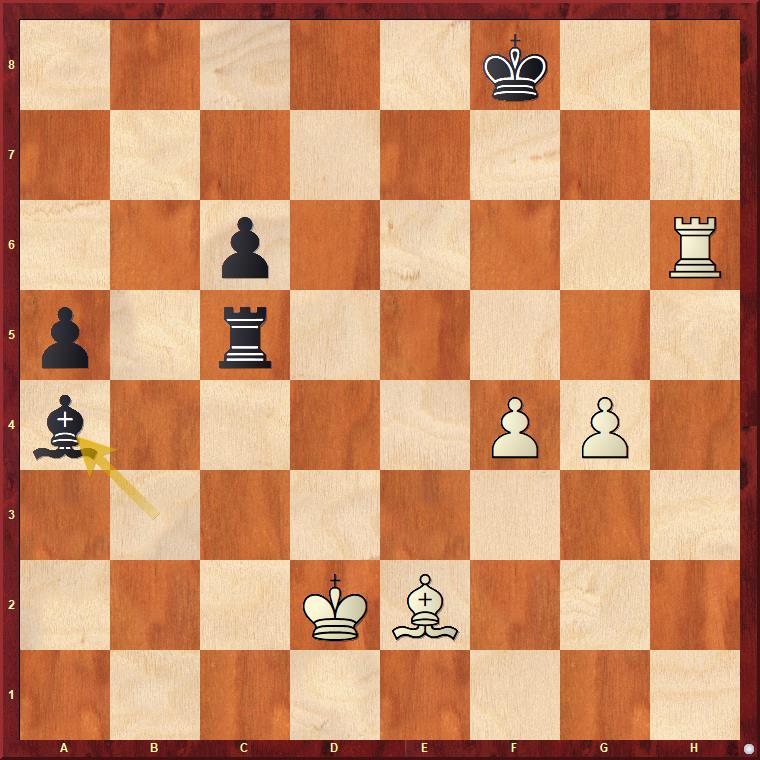
Can you dear reader evaluate this position?! More advanced players may attempt to assess the situation both from an objective theoretical perspective and then from a practical standpoint, so to speak from behind the board…
Let us continue. After 60.f6 the following diagram position arose.
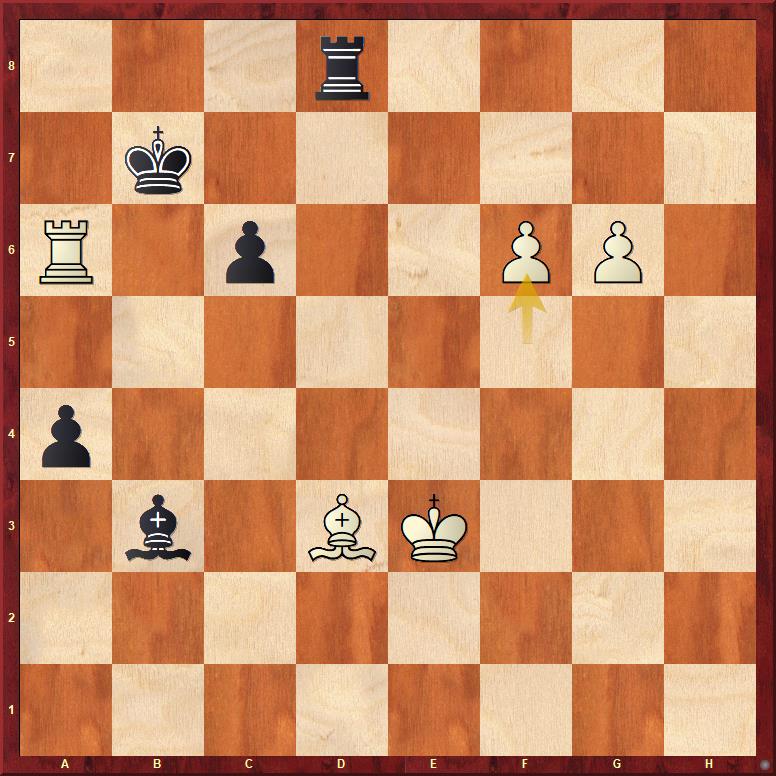
Black has the only move that maintains equality on the board. How would you continue?
The posts on my chess school website are of course not intended only for experienced or advanced players. Therefore, I will allow myself to include a simpler task as well. In the diagrams below, Black is to move in both cases.
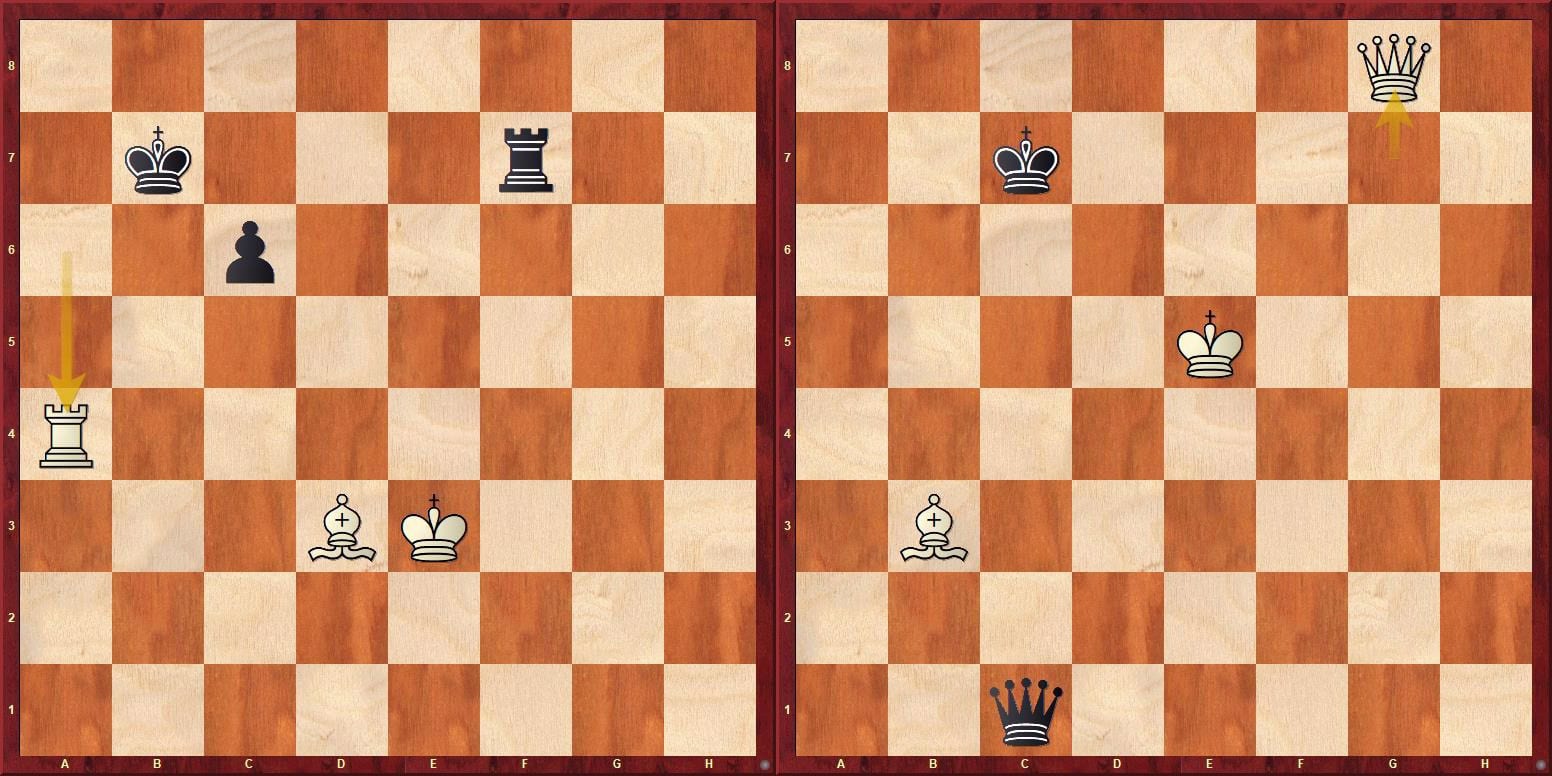
Both positions lead to a theoretical draw, but… If you had the choice to select with White in your game an endgame: Would you try to challenge your opponent in the position of the left or the right diagram?
While the game in the right diagram actually ended, the ending rook and bishop versus rook is… well, a chapter of its own! On one hand, I have seen, for example, the Georgian genius Baadur Jobava drawing the weaker side’s position in a rapid game practically without thinking. He sat at the board somewhat sideways and hardly looked at the position… but let us look at the diagram from the game Caruana,F (2794) vs. Svidler,P (2757), which was played at the Candidates Tournament (Moscow 2016)!
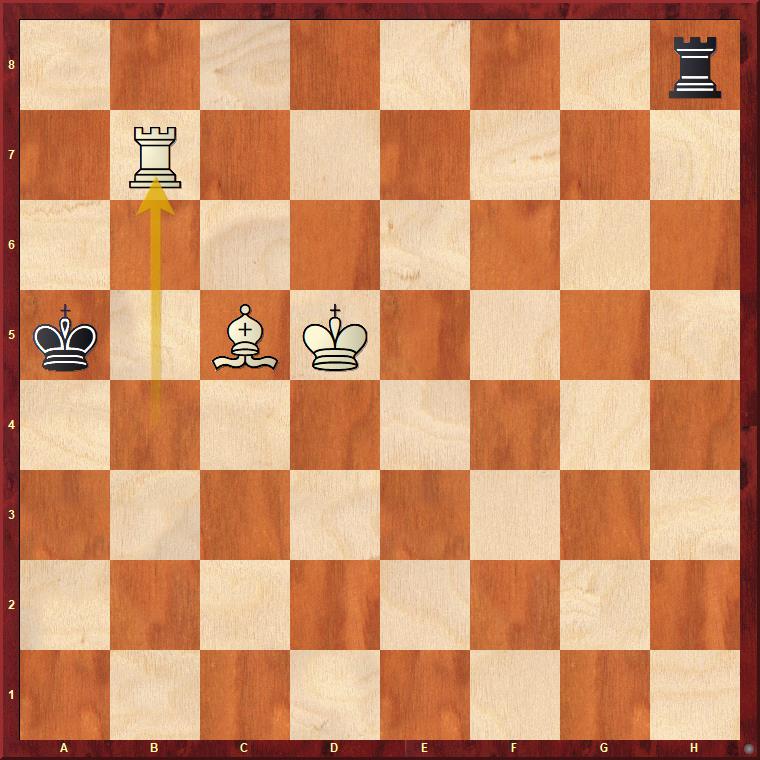
Black had several ways to draw immediately, yet chose 102…Ra4??. Fabiano naturally continued 103.Kc4, heading into the so-called Philidor position, known since 1749! However, the game ended in a draw!!
Solutions to the tests can be found in Sagar’s video broadcast; the endgame of the second diagram from about the 11th minute of the video.
Instead of an immediate draw, the world champion from the endgame created a position – as they say – with play for two results!
I have already mentioned the weakest in the game article Gukesh's games. It is undoubtedly the endgames. Even the very Mr Jekyll 🙂 missed out on some half points in the April Candidates Tournament! So this is certainly what needs to be worked on above all. After all, not only Mark Dvoretsky in his time knew that the path to success leads only through eliminating the weakest links in the games of his pupils!
A bad day or a cold?
In the brief post-game analyses, we cannot help but notice that Gukesh was fighting a cold in Wijk. It is possible that this also affected his play. Mr Hyde, however, only fully manifested in the last game! More precisely, on the last day of the tournament. It is hard to blame young chess players for not knowing draws and always playing only for a win everywhere. In such a case, however, they must be in perfect health, fully concentrated and above all ready even for a fight to the death. I believe that none of this favoured the world champion in the final round of the tournament.
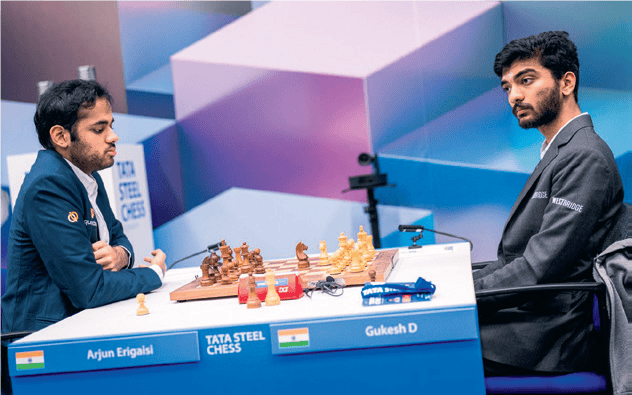
If you dear readers Gukesh vs. Erigaisi did not see the game, you have a great opportunity… to play like Petrosian! What do I mean by that? I will explain everything later 🙂. I will only add that if the previous small test was intended for less experienced players, this one on the contrary requires deep knowledge of strategy and dynamics, and probably also of the creation of what we can now call classics!
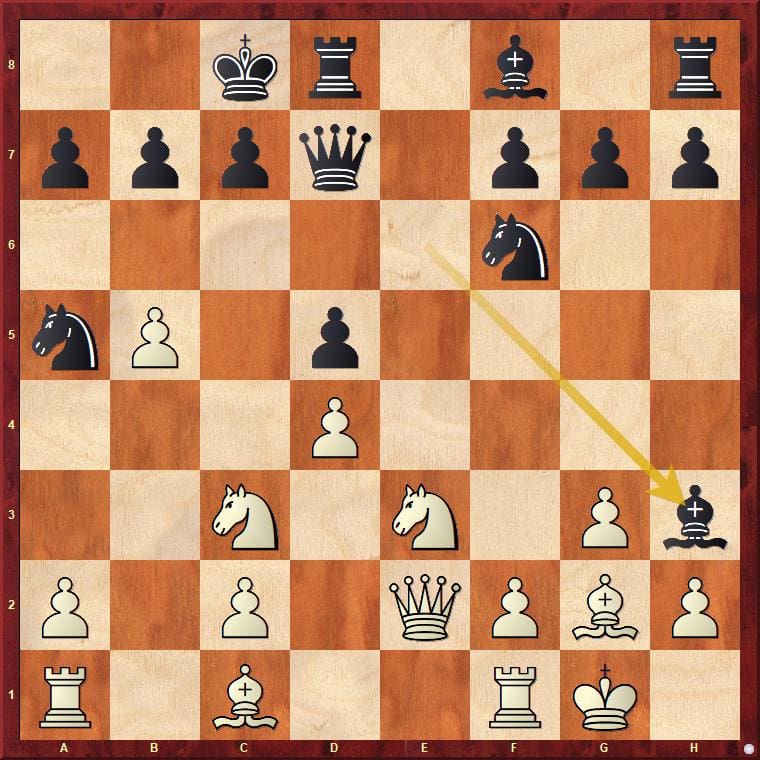
After 13…Bh3 it seemed that the world champion had at least gained on the board what he wanted. That is, a completely unorthodox position in which a draw is probably the least likely result. Try to find White's strongest reply!
Nodirbekоhis calling card

Who had - or has - a playing style closest to the young Tal? Alexei Shirov? Many claimed so! After all, he once published some fine books Chessboard in Flames! We remember that with positions definitely not a bore 🙂 . In my opinion, however, Nodirbek Abdusattorov cuts into positions and sometimes takes risks almost as often as the young Mikhail Nekhemyevich did in the late 50s and early 60s. Risk is gain!
The secret of Abdusattorov's successes (unlike Gukesh, I can't even recall when he ever truly failed in a classical time control tournament) lies of course not only v his brilliance a and huge diligence. A few years ago in Germany they experimented (I am not referring now to antichess 960). During a rapid tournament, players were subjected to heart rate monitoring. While Firouzja’s doctors should have legitimate concerns, because at critical moments his pulse soared to nearly 200 (sic) beats per minute, Abdusattorov’s and Carlsen’s never exceeded 100 beats! Cold-bloodedness a psychological resilience, which many top players never experience in their entire lives: these are further qualities that make Nodirbek a long-term member of the world elite. I admit I would like to see a match for the chess crown Gukesh vs. Abdusattorov…
In Wijk itself he came very close to standing on the highest podium! Were it not for a terrible blunder in the game against Erigaisi, and if he had managed to find an almost study-like win in the game against the world champion, whom by some measures he actually outplayed in their encounter, it would undoubtedly have happened.
I see the weaker points of Nodirbek’s play in the occasional choice of somewhat dubious variations, but mainly in the fact that here and there in the game blitz exactly in a position that on the contrary deserves thorough investigation.
I add that I used to consider it literally sacrilegious to play during important tournaments in the evening online blitz. „Botvinnik would be turning in his grave!“ I still think so today. But nowadays it is such a common phenomenon that I have stopped taking such a breach of sports discipline into account. Perhaps it belongs to the present time!
We have already had the opportunity to see enough of Nodirbek's examples, so I will offer readers a game in which he used the new approach already on move 6 of the opening!
A valuable novelty or just a coach's momentary idea?
Wijk aan Zee, 19 January 2025, Round 2, game Abdusattorov vs. Mendonca. After the moves 1.e4 e6 2.d4 d5 3.e5 c5 4.c3 Nc6 5.Nf3 Qb6
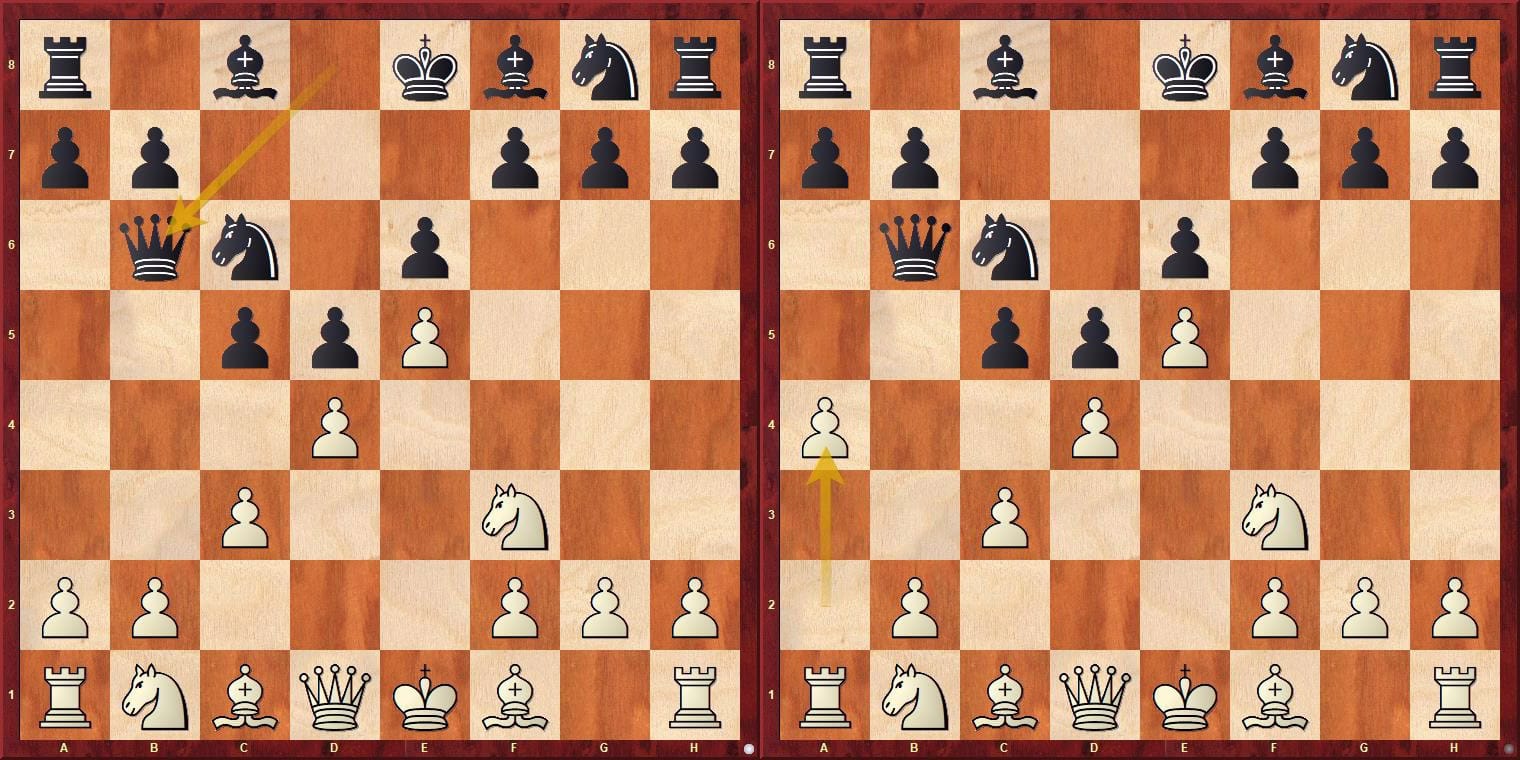
Nodirbek shocked probably not only his opponent but also tens of thousands of spectators with the move 6.a4!?. Mendonca was certainly prepared to continue the theoretical discussion that began in December 2024 in Qatar. There Abdusattorov also continued with the unusual 6.g3!?, but this? In the position of the left diagram White plays 6.a3, 6.Be2 and of course 6.Bd3 (leading to the Milner Barry Gambit; an introduction to its new version can be found on my website and purchased in the database), but this? We know that silicon friends have a warmer relationship with the flank pawns than we – living chess players, but still… what is the early advance of the rook pawn actually for?
Before we crack the problem, let us watch a short clip of Russian grandmaster and face of the Levitov Chess channel Alexander Shimanov. Judge for yourselves, dear readers, whether you would be satisfied or even identify with such a conclusion.
Grandmaster Shimanov not only did not bother to look, who actually fought against Nodirbekov's 6.g3. He even made an effort and tried his best 🙂 to understand the meaning of the mysterious flank pawn advance. However, apparently he failed! His conclusion therefore gives the impression that Abdusattorov either was just somehow cheating in an attempt to unsettle his opponent, or mixed up the variations?!

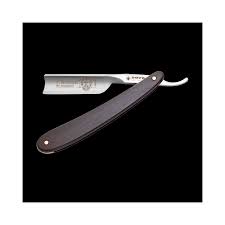
Occam's razor once helped smarter people to uncover the truth about Covid-19, and it will help us here too! The principle of logical economy says: „If there are several explanations for a phenomenon, it is better to prefer the least complicated one.“
According to this logical tool, it is clear that Nodirbekov did not drop the ‚a‘ pawn from his hand when he wanted to play 6.a3 🙂, but had his novelty (played for the first time at a higher level) quite thoroughly prepared! By the way, a few months ago I had a good laugh at the statement (probably againof Nodirbekov's coach, the former FIDE World Champion Rustam Kasimdzhanov. He was extremely pleased with the advance of the flank pawn already on the second move! In a Bundesliga game Kasimdzhanov vs. Tabatabaei he played after 1.e4 c5 2.a4… So Daniel King is right in his video analysis below. It could have been an idea from Nodirbekov's coach to thoroughly explore a nearly unknown advance.
Position after 6.a4
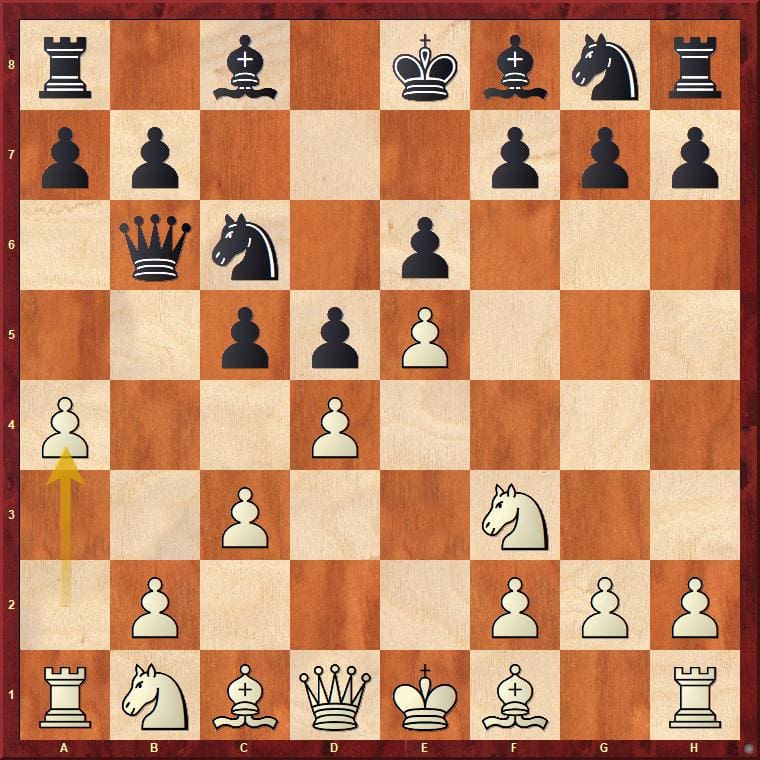
is of course balanced. Are you curious about the real purpose of this novelty? Let's start studying below, but first we can look at the video analyses. The first is from my favourite Ukrainian streamer Alex Pugachev, the second from Grandmaster Daniel King. However, we will not get a thorough explanation of the meaning of 6.a4 in either. I should emphasise that it is far from being just about the novelty. pawn itself. The whole game demonstrates the strength of the Uzbek youngster's play!
In the viewer below I subjected not only the opening but especially the continuation 6.a4 a6 or 6...cxd4 7.cxd4 a6. to quite detailed analysis. Now let's look at the positions below.
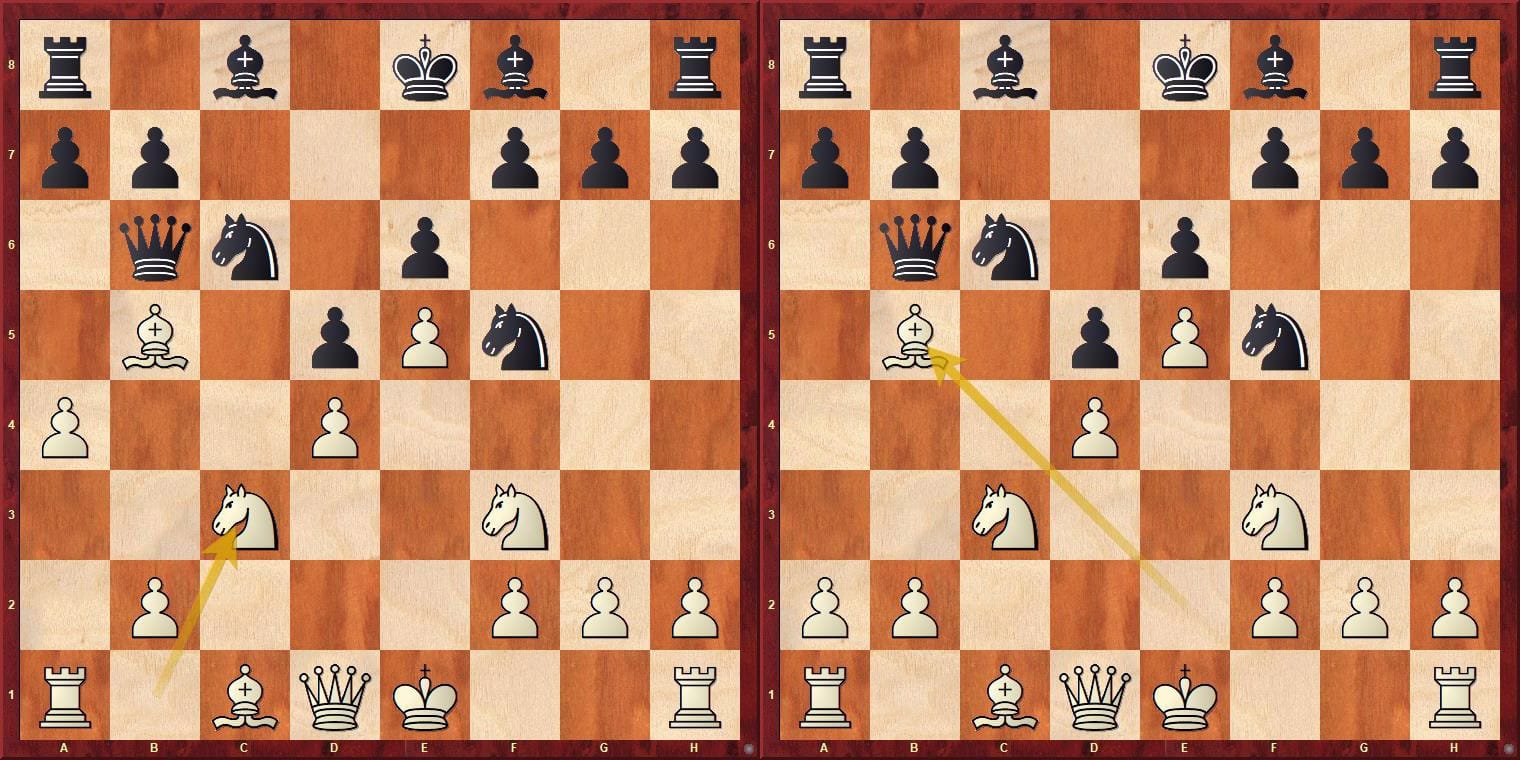
The diagram on the left shows the exact situation from the game after 9.Nc3. This actually appeared at a higher level for the first time. However, the position on the right should be familiar to experts of the classical Nimzowitsch French system. It arises, for example, after the moves 1.e4 e6 2.d4 d5 3.e5 c5 4.c3 Nc6 5.Nf3 Qb6 6.Be2 cxd4 7.cxd4 Nh6 8.Nc3 Nf5 9.Bd5. In the 1990s this was occasionally played by the German Grandmaster Ludger Keitlinghaus, at that time literally a generator of new ideas not only in the French Defence! Players dissatisfied with the fact that knowledgeable Black players face no problems in the main line 9.Na4 surely welcomed a fresh breeze What do you think, dear readers, Which of the two positions is more favourable for White?
A true theoretical gem
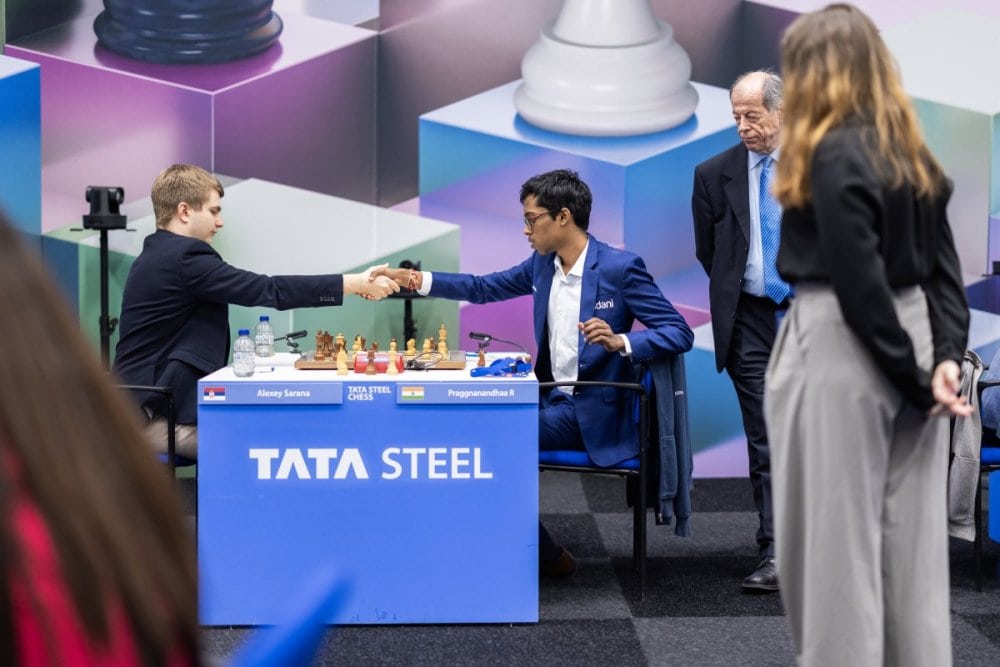
The penultimate 12th round of the tournament is being played. Praggnanandhaa his third consecutive win in a game against Saran catching up with the world champion before the last round. We have already seen the end of the game with Black's blunder, but how did it come about? Why did the Russian-Serbian grandmaster find himself in such unpleasant trouble? The former Indian prodigy, now a 19-year-old youngster, pulled out probably the most theoretically (that is, objectively, by its true value) valuable novelty of this year's Wijk!
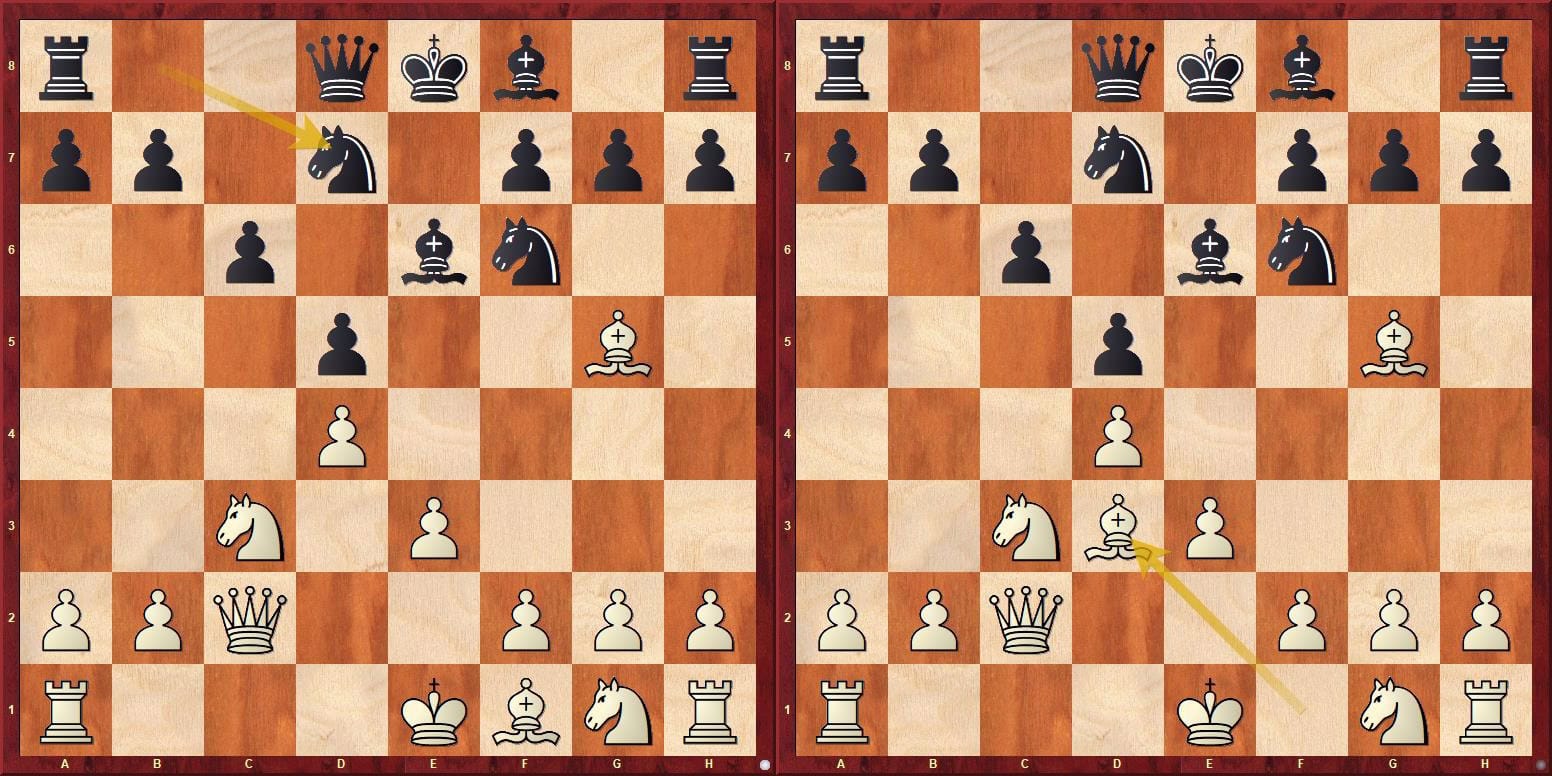
In the position of the diagrams, the move 8.Bd3 is almost automatically played, followed by Nge2. In this case, White does not plan to start a minority attack (which would correspond to the traditional development Nf3), but follows Botvinnik's plan of deployment with 0-0, Ng3, f3, Kh1, Rae1 and finally e3-e4. Readers who want to get to know the system better cannot miss the exemplary losing a game Botvinnik vs. Keres (USSR Championship, Moscow, 1952).
However, Praggnanandhaa shocked not only many fans but also advanced players and commentators with the move
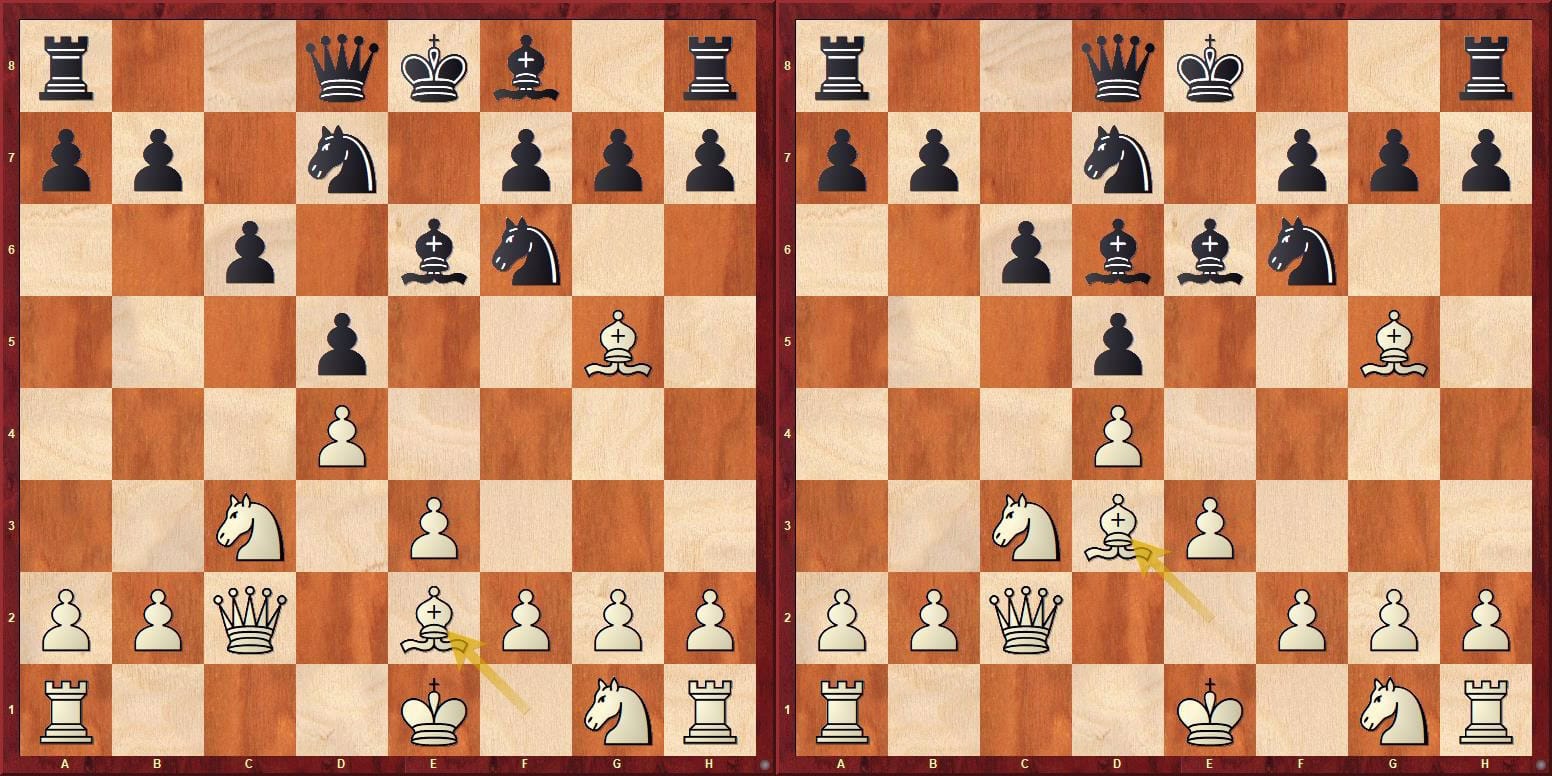
8.Ne2 Bb6 9.Bd3!!, thus voluntarily giving Black the developmental tempo! The main reason for the bishop retreat here is not primarily to spoil the opponent's preparation. It is truly a valuable theoretical novelty!
Let us first look at Sagar's traditional video recording of the game. In the player below, I then tried to clarify the problem of the whole mysterious bishop manoeuvre.
Erigaisi's collapse: cursed spot or overplay?
Few young chess players today know that even in sports psychology the concepts syndrome burnout. In our beautiful game, this is closely related to another term not much mentioned today overplay! However, in the 1990s, there was quite a passionate discussion about overplay and the ideal number of serious games played per year.
The trio of the Polgár sisters then formed a kind of vanguard of the emerging young generation, which was called (today it sounds somewhat ridiculous) informant children (children of Yugoslav Informants). The older generation and most theorists and coaches of the time could not understand that the sisters travelled from tournament to tournament and could play up to 90 games a year. Oh, where are those snows of yesteryear! Today, such a number is almost considered insufficient!
But with Erigaisi, it is not about 90 games, nor 100, nor 110, but 120 serious games per year! (Arjun thus plays a serious game on average every third day of the year!) This alone might still be survivable, if it were not for the fact that today classical chess is merely a significant part of tournament calendars! We must add rapid, blitz and of course online tournaments! Isn't it time to slow down, stop and reflect? To rest for several weeks more or less and then throw oneself into study?
A second explanation for Arjun's decline could be the venue itself (this is not a hard disjunction, both reasons may act in parallel). Just look at the results of the older edition and be convinced that in Wijk (the Masters tournament) Erigaisi won his first game in life only in the 12th round!
The game from round 7 may not explain Erigaisi's decline most precisely, but it is in its own way characteristic of his performance. For Arjun to succeed not only in various large Swiss tournaments to maintain his rating, which for many is almost frighteningly high at over 2,800, he naturally has to take risks against theoretically weaker opponents. At least with the black pieces today, there is simply no other way to win! However, if an 800-rated player finds himself completely out of his usual form, the game ends exactly as we can see in the following video.
Below, readers can as usual also use the CB player, where all the examples from the second part of the article are provided.
Admirers of Nimzowitsch's variation of the French Defence with 3.e5 will then find both important games Gukesh vs. Harikrishna and Abdusattorov vs. Mendonca, including analyses, again here.