Events are rushing at such a pace and the flood of information is so massive that even daily – or perhaps hourly – news coverage would scarcely cover it. Sometimes I wonder what my favourite writer and philosopher Zdeněk Mahler would say about it, with whom I already published an interview in 2002 entitled „The flood of information proves that the world has gone out of control.“
Two prestigious tournaments have ended. The US Championship this time brought many wonderful experiences – and for me personally, a definite conviction that a new, only fifteen-year-old supertalent is emerging before us. And the European Club Cup? Especially on the first board, it was a first-class treat! It is not excluded that „Gukesh25“ is indeed gradually returning to his form from last year.
However, in the article I cannot omit the tragic death of the popular American grandmaster and streamer Daniel Naroditsky.
What do FIDE and the true ruler of chess.com desire?
To avoid complicatedly describing the situation, or even „requesting“ an article from artificial intelligence as more and more authors apparently believe that readers will not detect „artificial prose“ without gross errors, I will this time assist myself with two articles from Czech websites. The reader will thus not only learn what is being planned, but right at the start will have the opportunity to compare two different views.
https://chessdb.cz/clanky/norove-vymysleli-nove-mistrovstvi-sveta-je-to-krok-spatnym-smerem/
The more titles, qualifications and thus world champions, the more money „in the kitty“. Does FIDE think like this too? Nothing against it – if it managed to raise, perhaps even in this way, ten or rather twenty million dollars and endow the match for the title of true world champion with the highest prize fund in history, viewers might even see a duel Gukesh vs. Carlsen. I just note that every year of delay increases the chances of the world champion who is sixteen years younger.
But reality looks different: FIDE probably plans to create a world chess champion for every corner of a larger city. And what they are inventing in Norway – namely some kind of triathlon of blitz, rapid and 45-minute chess instead of serious games, concluded by an „absolute world champion“ – has absolutely nothing to do with Magnus Carlsen. For him it will be just a pleasant amusement.

And moreover… viewers need excitement and even more blunders in the games of the absolute world elite. Because what is better than seeing a grandmaster get tangled in his own variation and fall into a trap that even a club player would spot after two… coffees?
Fortunately, at least two prominent figures of world chess have opposed this strange idea. And the paradox is that these two do not exactly go around the world with their hand on their heart when they see the other:
- Hikaru Nakamura publicly „tore the idea apart“: according to him it is „pure fluff… nothing new… it only confuses the fans“ and fragments the audience even more. He also criticises that there are already too many titles and circuits. (The Indian Express)
- Anish Giri – described the whole concept as „very messy“ (confusing), precisely because of the overlap of several „world“ titles and the complicated orientation for fans. (chessdom.com)
A few words about the European Championship
I will briefly return to the European Team Championship, which was played from 4 to 15 October in Batumi. Without lengthy comments, I will present the final appearance (and actually also the evaluation) of the captain of the Czech team, Mr Petr Boleslav.
If I were a few decades younger, I might have introduced the video as an emotional intelligence test. Now I will only allow myself a slightly modified version: turn off the sound, play the video and try to choose the correct answer from three options. The question is: „Who is most likely the gentleman in the video?“
- a satisfied random passer-by
- the captain of the Czech Republic men's chess team
- a street vagrant who has just found out he won the fourth prize in the lottery
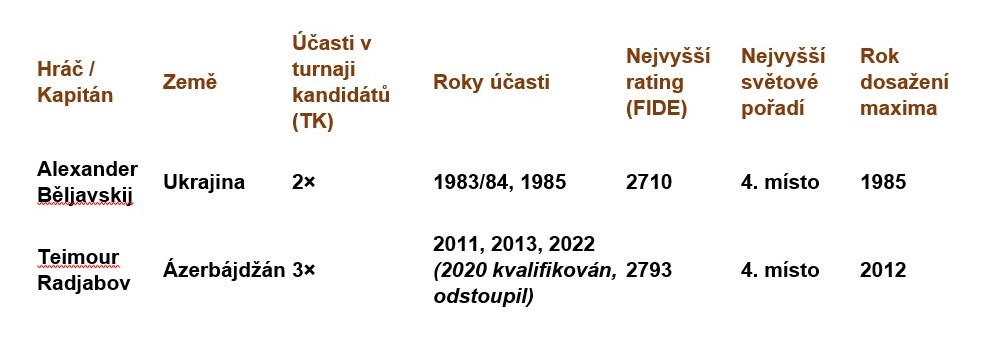
Now seriously – the situation is indeed serious: For comparison below I list the names of the captains of the winning teams:
- Ukraine: GM Alexander Beliavsky
- Azerbaijan: GM Teimour Radjabov
- Serbia: GM Ivan Ivanišević
And perhaps I should add: Slovak Republic: GM Lubomír Ftáčnik!
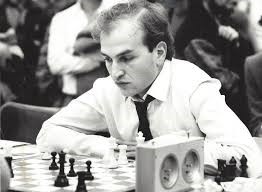
Alexandr Genrichovich Beliavsky he belonged to the best players of the 1980s and is considered one of the most versatile chess players of his generation.
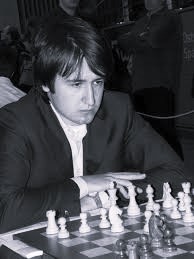
Teimour Borisovich Radjabov is a star of the 21st century — a member of the „young guard“ after Kasparov, Kramnik and Anand, with a rating just below 2800.
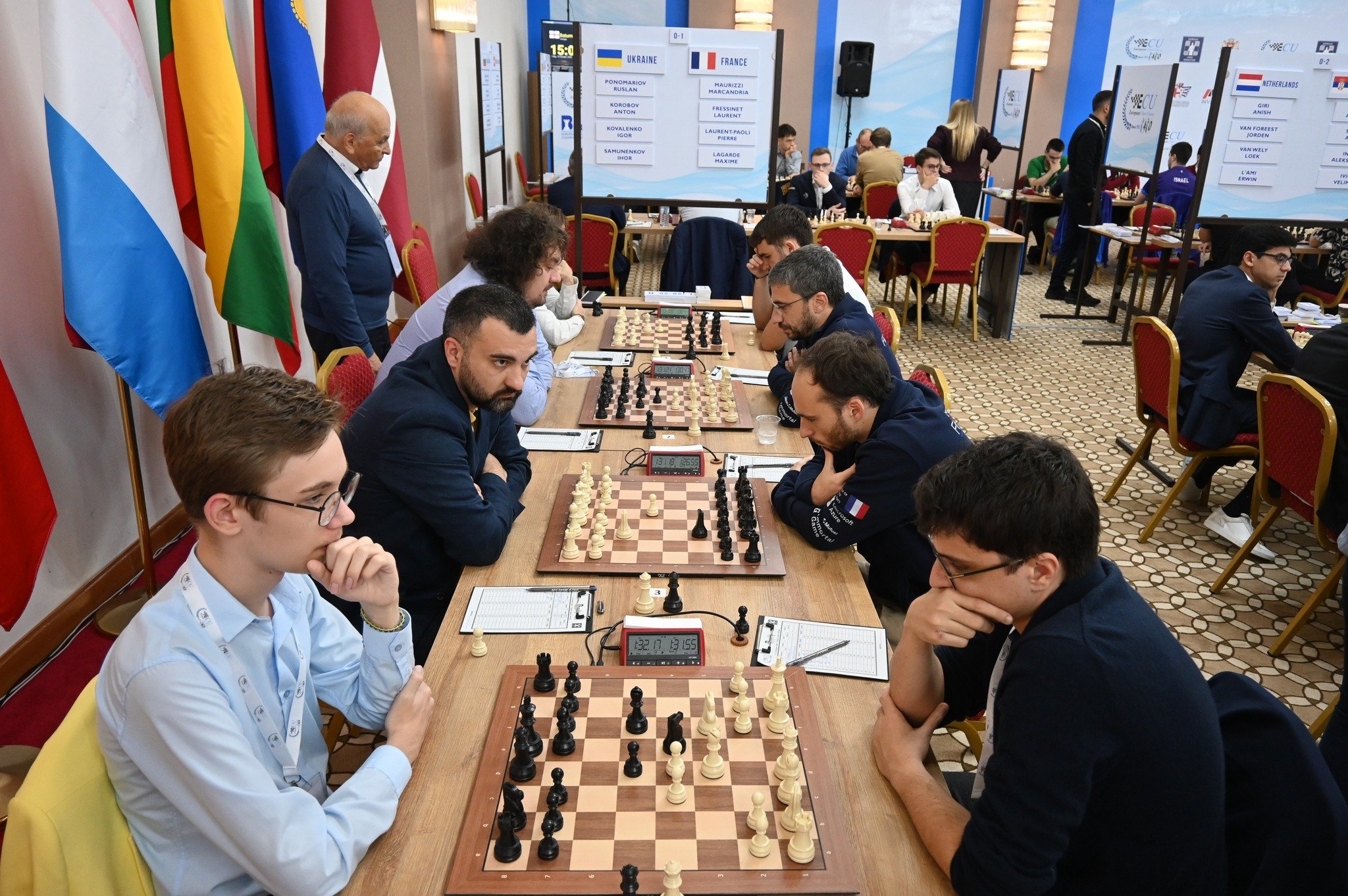
Alexander Beliavsky does not bring players coffee or tea. He carefully watches what is happening on the boards. After all, the match must be „managed“ by someone!
Final round through the eyes of Daniel King
US Championship 2025
If I criticised the championship last year, this time it brought everything that spectators, coaches, theoreticians and analysts could wish for. Tension until the last game, beautiful moments and even the feeling that the players finished exactly where their performances deserved. As if Caissa returned to work after last year’s holiday.
And because the article cannot be stretched like chewing gum, I will focus mainly on the play of two players. Fabiano Caruana, who won the championship for the fourth time in a row, I obviously cannot and do not want to omit. And the second? Dear readers, keep that as a little surprise.
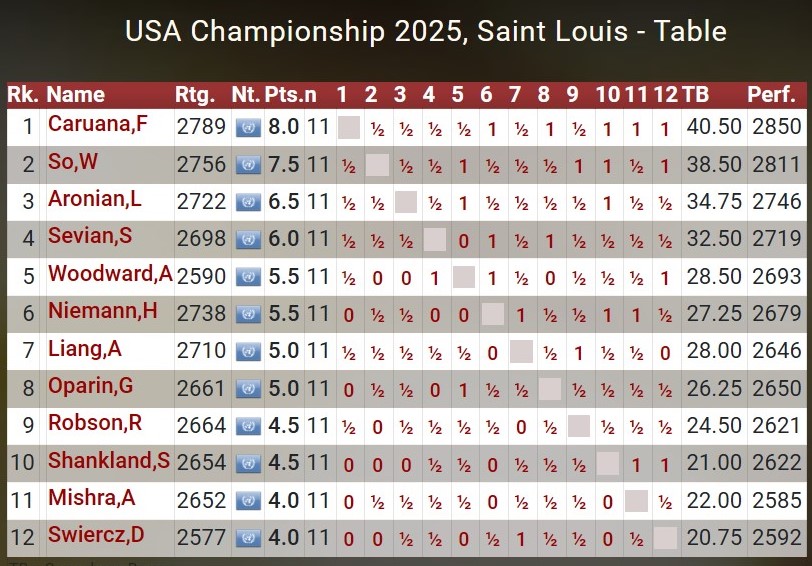
Fabiano also won this year completely deservedly. And yet, when considering his dominance, one inconspicuous but persistent „but“ cannot be dismissed.
Will Caruana’s nerves hold?
That was exactly the question I asked myself when I watched the conclusion of the key game of the sixth round between the leading players of the tournament, Caruana and So. And if I wanted to be really sarcastic, I would add to the wishes of many self-proclaimed experts (the more world champions, the better) one more remark: „And above all, let’s shorten the thinking time even more!“
I followed the championship quite closely, so I dare say: nowadays you almost never see a normal game ending. That is, for example, a technical endgame where at least one of the opponents is not playing on seconds. Artificial intelligence would probably put it like this: „It’s all more of a sprint through a minefield than chess surgery.“
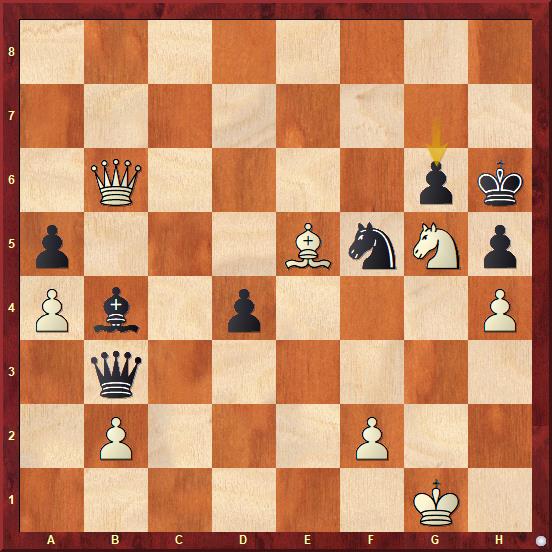
Wesley's advance 40...g6 framed the end of the time control, and Fabiano then had more than 35 minutes to find not only ways to a clear win, but even two forced nine-move mates! You might say: „But a person simply cannot find nine-move mates in a game!“ Well yes, but these are „at most“ situations: Black would prevent the quick mate only by Fritz-like piece shuffling, as engines were mostly accustomed to doing even at the end of the millennium.
So the question is: how would you continue with White?
Sergei Makarychev analyses this game from about the 29th minute of the video. I remind you that viewers who prefer English can switch on AI dubbing in the video.
Not every reader will recall the last round of the 2024 Candidates Tournament. Caruana's nerves then cracked under terrible pressure and he failed to convert a completely winning position against Jan Nepomniachtchi. This not only dashed his dream of a tiebreak against Gukesh, but also, for at least a few years, his realistic chance of winning the World Championship title.
Therefore, after the conclusion of the game against Wesley, I had two concerns. First, how would his next battle the following day against Niemann develop, especially with Black? And secondly, I was curious how Caruana had worked on his psychological resilience. Of course, it was „only“ a rehearsal. Well-informed chess players and viewers suspect that the most serious test for Caruana at the 2026 Candidates Tournament will probably be the clashes with Nakamura, against whom he has long struggled almost fatefully.
Everything turned out well – Niemann-Caruana
Well, but now let us see how Fabiano literally crushed Hans!
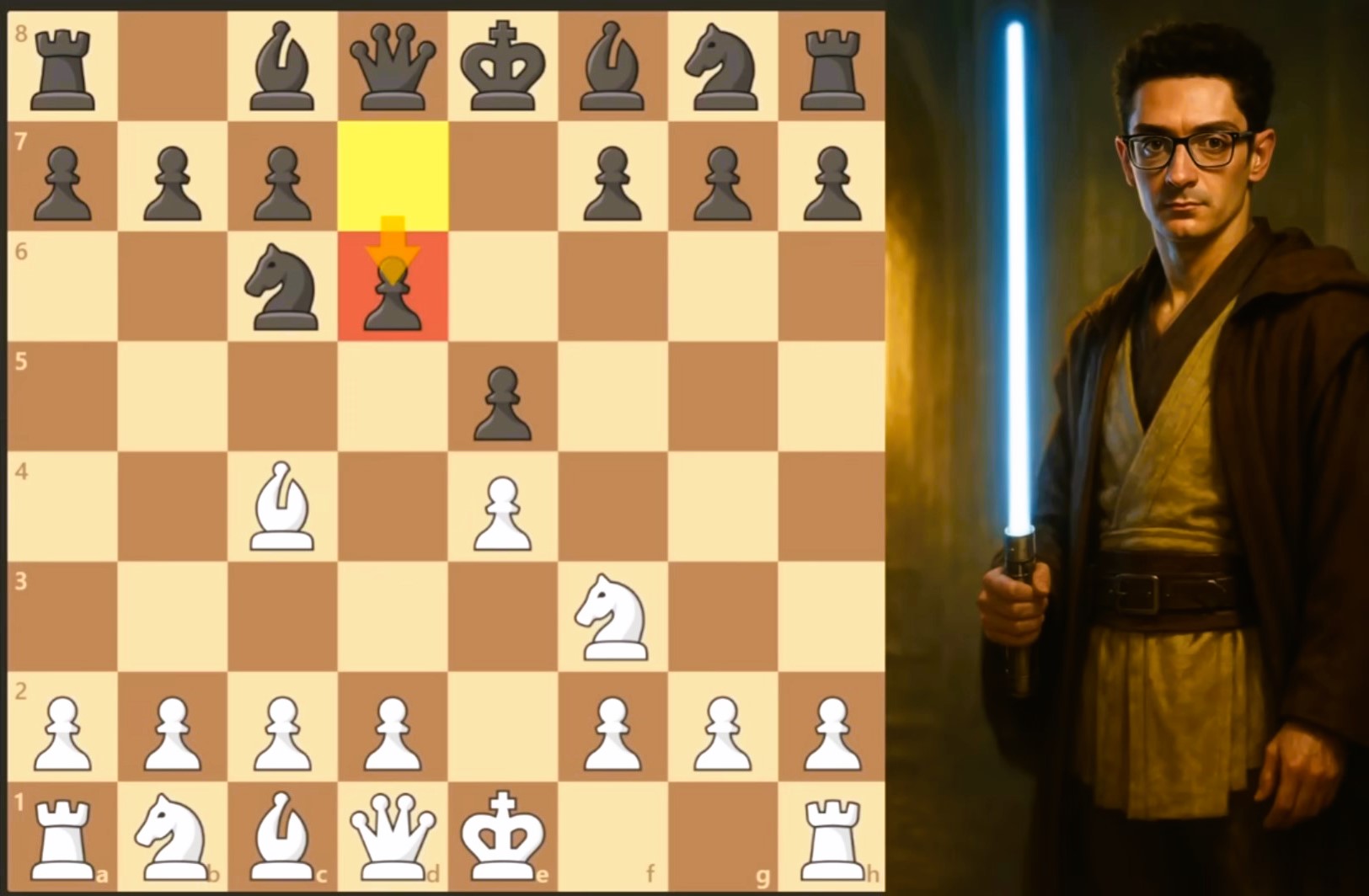
Lately, I have become somewhat more hardened, so I spare myself the puzzled head-shaking when I see what gems can appear on some Czech websites. On one of them, for example, we can read: the game of 2 knights in defence: 1.e4 e5 2.Nf3 Nc6 3.Bc4 d6 4.c3 f5. Well, dear author, but where is the second knight in defence? 🙂
Sergei Yuryevich Makarychev sometimes has a habit of analysing openings quite from the ground up! He naturally draws, among other things, on his deep knowledge of some openings. And who else but a grandmaster, who together with Sergei Dolmatov once popularised the quiet Italian with d3+c3, should have a greater right to comment on the opening of the game?!
After this miniature, it was certainly no problem to interview Fabiano regarding the previous mishap, when he failed to find a simple win against his biggest rival in the tournament...
Who is Andy Austin Woodward?
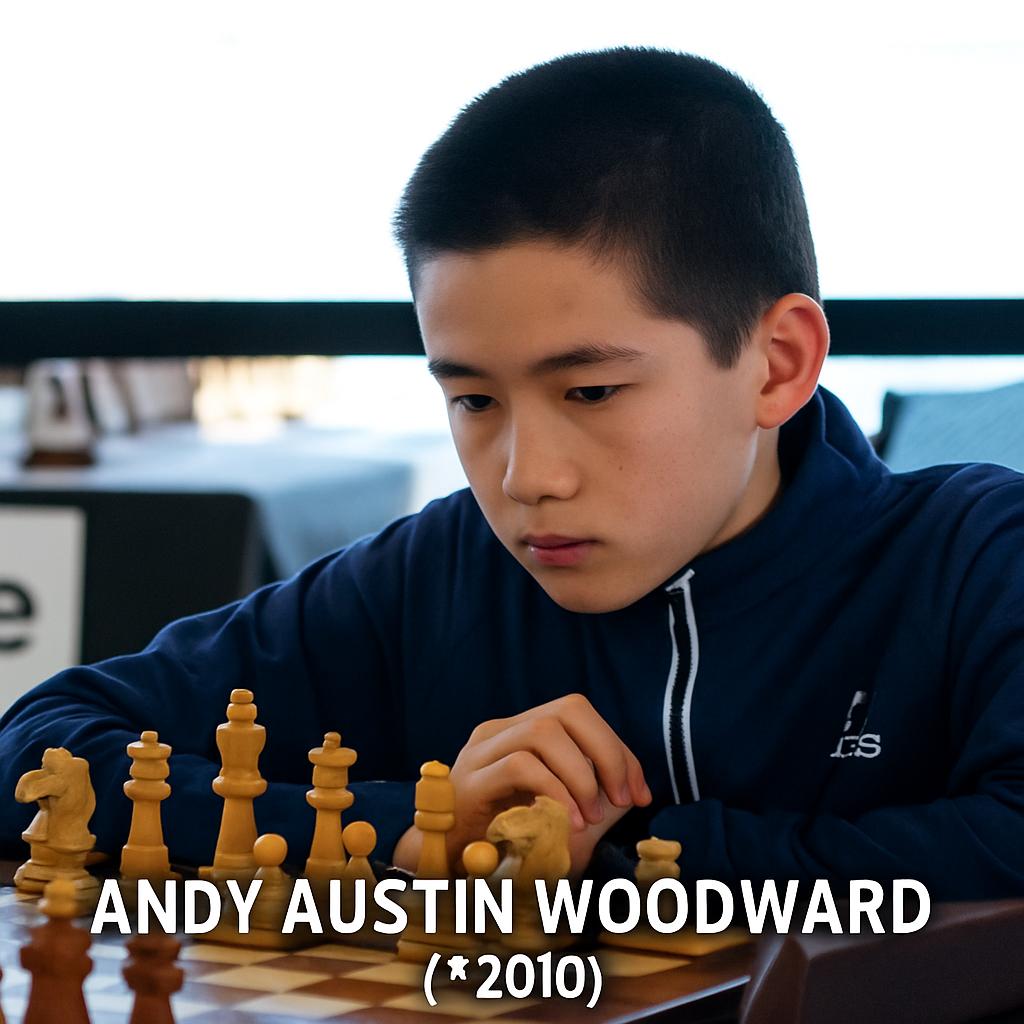
Grand Swiss Samarkand 2025 (3.9. – 15.9.2025)
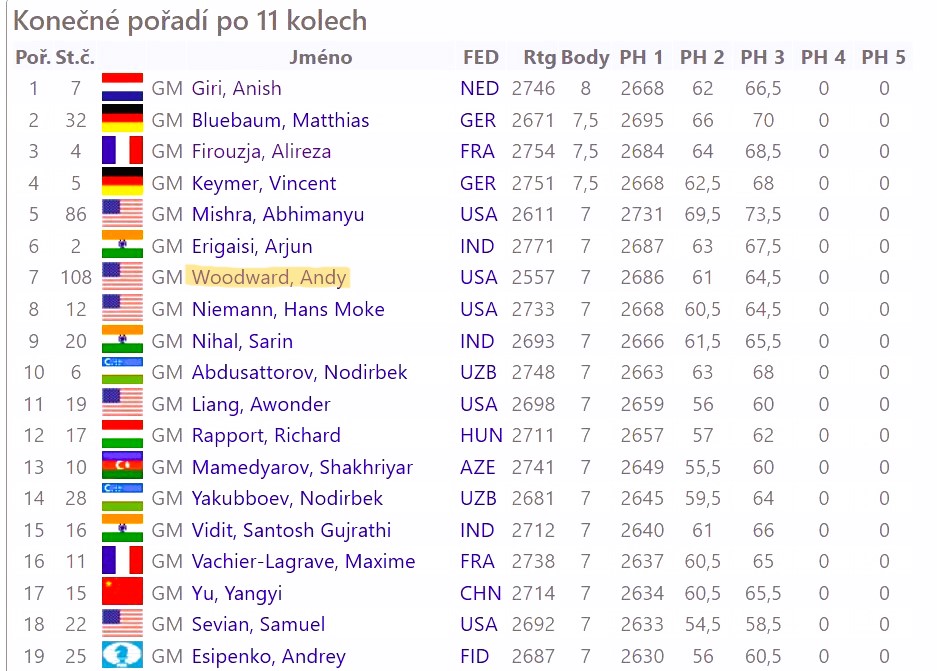
I must admit that when I was looking through the final results of the Samarkand event (see previous articles), I did not pay special attention to the seventh, or rather shared fifth place of the young Andy Woodward. I thought to myself: „This happens in big Swiss tournaments. Stronger players simply needed to beat the youngster, but the axe hit the stone.“ And that I was on the right track with this thought was confirmed by looking at Andy's individual results at the end of the tournament.
Woodward's individual results in Samarkand (performance 2784)
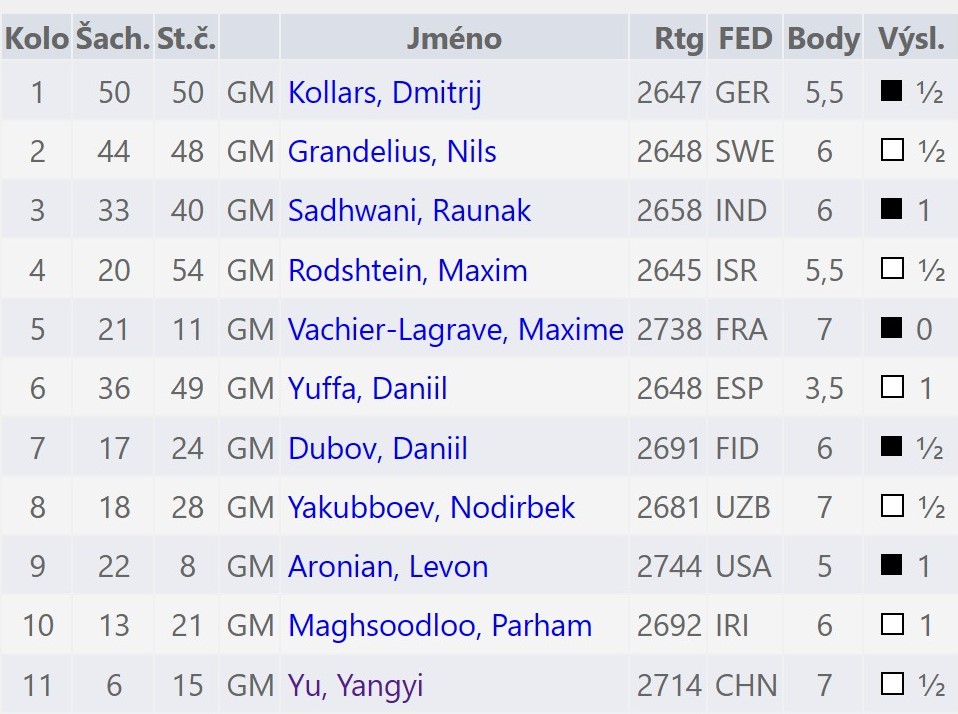
Daniil Juffa played Samarkand in a distinctly poor form, Daniil Dubov – as I already mentioned – came more for a holiday, and Levon Aronian and Parham Maghsoodloo simply wanted to outplay the youngster to keep their chances for a good placing. And the last round against another 2700+ player? Hardly a decisive measure, especially when at that moment it was mainly about a dignified prize.
Interview with Andy Woodward after his victory over Aronian in Samarkand:
So I really started following Woodward's games only here, at the US Championship. And lo and behold! No „maintenance“, no fear of big names, no quick draws here and there, as we sometimes see with Mishra, for example. After this tournament, I dare say that the dream of many Americans is finally taking shape. Finding „the second Fischer“ – a native American and future superstar – may be beginning to come true after more than sixty years.
More information about this exceptionally talented youngster can be found in the following selection by ChatGPT-5. (I deliberately left one historical inaccuracy in it.)
https://chatgpt.com/share/68ffcb20-cfac-8013-a78d-e4d7ed9791ad
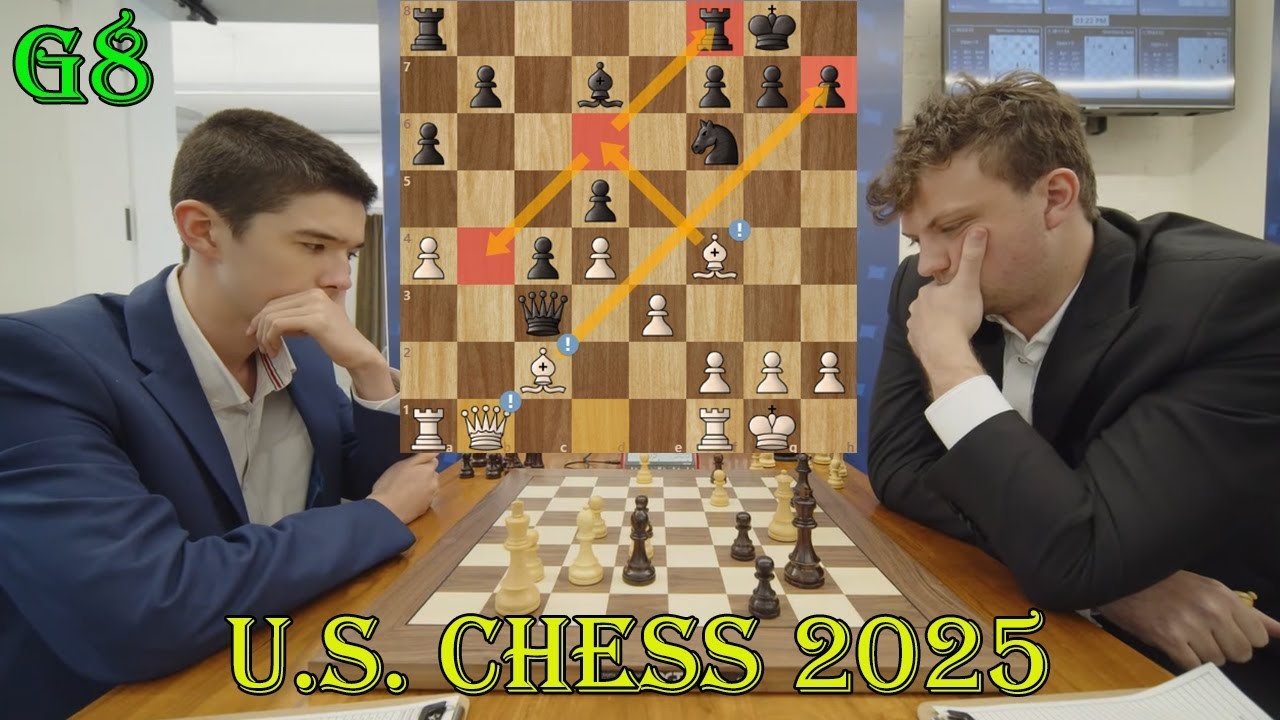
In the eighth round of the championship, one of the most interesting games of the entire tournament was played. In it, the young American demonstrated not only excellent preparation but also superb technique in a tricky opposite-coloured bishop endgame. I have already mentioned the parameter of „drawishness“ of endgames several times on these pages and also that the gold medal in this discipline goes precisely to opposite-coloured bishop endgames. However, we have never dealt with them in detail. So why not use this game as an ideal example?
Let's start with a small test. The following position is before you, and you are fighting with White for a win.
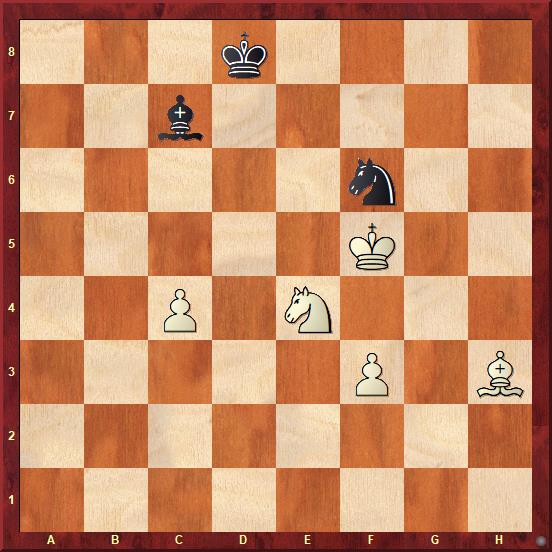
Your opponent hopes to save the game thanks to the opposite-coloured bishop endgame and logically continues 1...Nxe4.
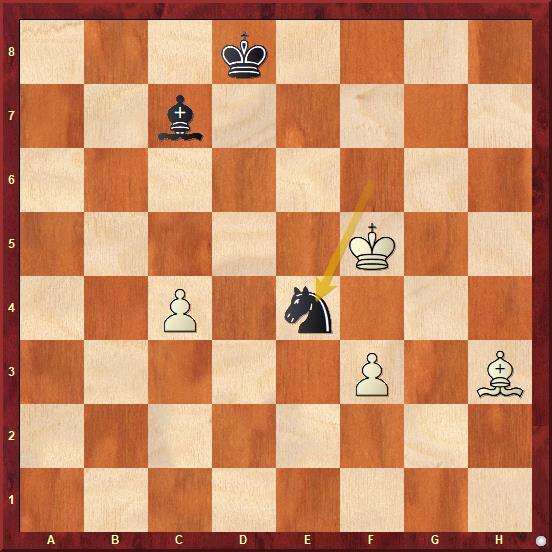
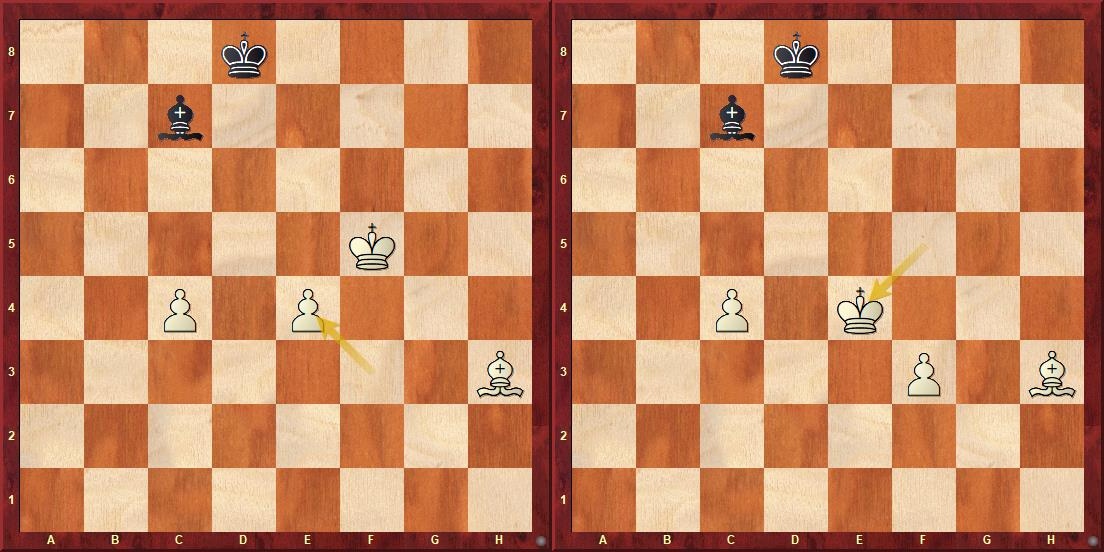
Would you continue 2.fxe4 or 2.Kxe4? And could you also explain WHY?
In the player below, we will first focus on solving the test from the previous part and then formulate the so-called Berger rule. There were lively debates about its validity and „right to live“ among leading grandmasters and theorists at the time. Perhaps all the better, dear readers: either adopt it straight away or at least remember the discussions that took place around it.
In the last example of the player, we will once again look at the endgame that Woodward played surprisingly „maturely“.

European Club Cup
I probably won't be alone in saying that I am not exactly a fan of clubs composed of top players from all over the world. It is hard to talk about a „club“ when it is formed with only one goal: a multimillionaire wants to see the world elite fight under his colours.
Therefore, I followed the European Club Cup for reasons that had very little to do with any potential success of the „Czech teams“.
- Fantastic competition gathered at the top boards.
- I was interested in the form of the world champion before the start of the World Cup.
- And I also wanted to see how Vincent Keymer, the current world number four by rating, would perform.
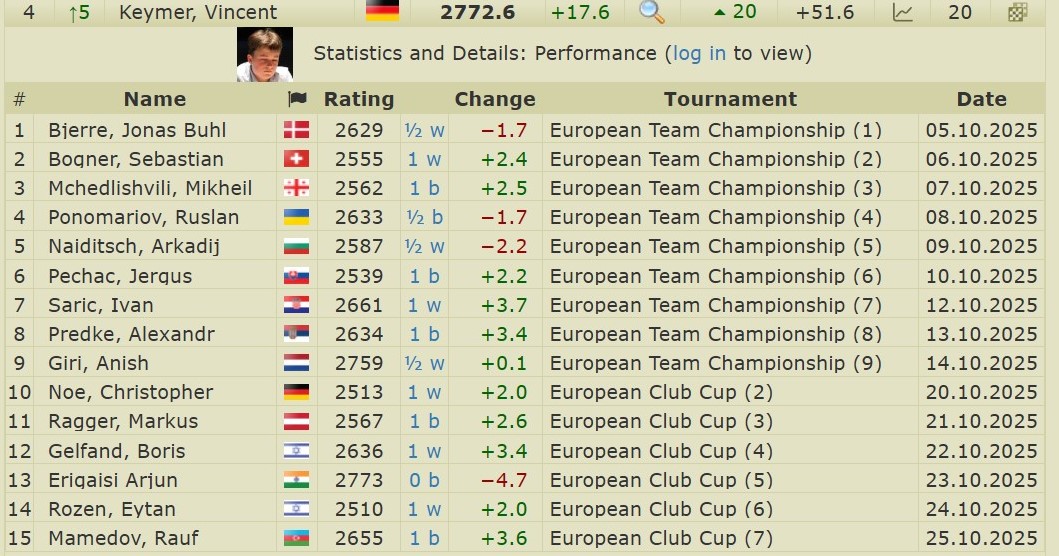
Keymer's results for October 2025 can only be described as respectable!
Therefore, I will not waste space on tables here. The battles on the top boards offered a much more interesting spectacle.
The world champion scored 4 out of 5 points with the highest tournament performance, and it can be said that thanks to him the team took the victory. But what is even more striking? Gukesh seemed to deliberately choose quieter positions. Does he realise that he needs to improve in endgames and positional play?
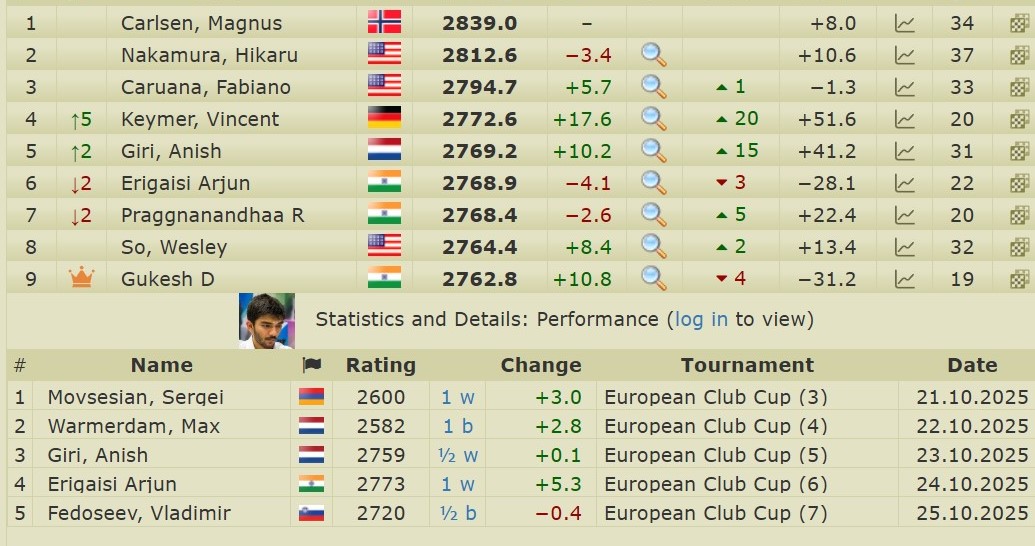
I definitely cannot deprive readers of a splendid endgame example that should enter textbooks. Not only is it a typical final game from which much can be learned, but I also have the feeling that in the decisive phase the world champion used a nicely thought-out psychological trick.
Four against three
In our game, an endgame arises in which we have a pawn advantage, but the pawns are placed only on one wing.
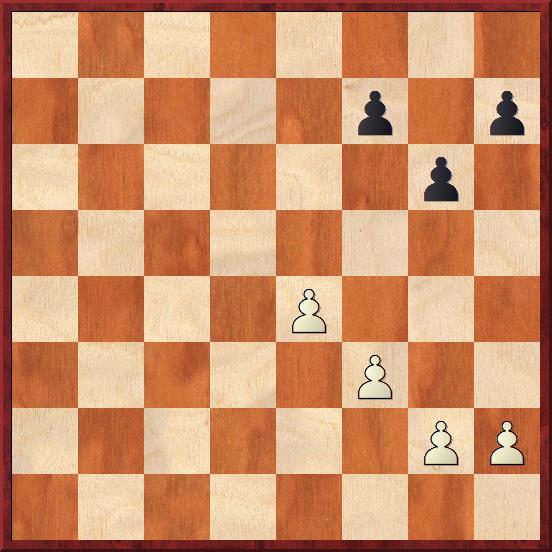
Each side also has only one piece – a queen, rook or any minor piece. How should such a game end with both sides playing perfectly? How should we evaluate such endgames? This was largely studied already in the early 1940s by Reuben Fine! His conclusions remain valid today, especially since they were later „approved“ by world champion Botvinnik.
The only position that gives the active side real chances to win is – perhaps surprisingly for some, but in fact quite logically – knight endgame!
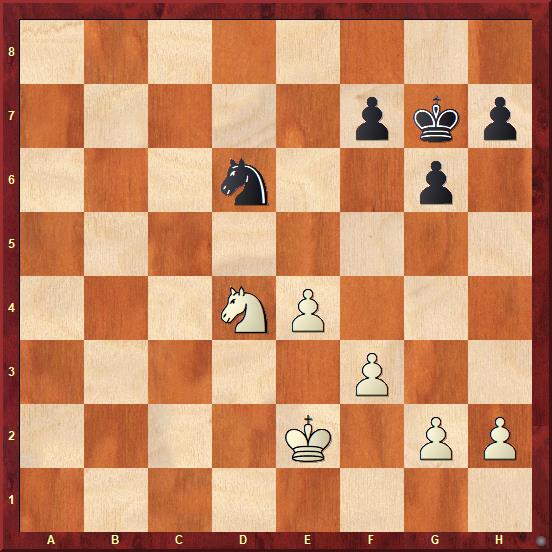
Before us is an analytical position that Fine examined already in the early 1940s. Since then, it has of course been analysed many times. Although it turns out that Fine's conclusion is correct and modern engines confirm it, the original analyses contain certain inaccuracies. (See the detailed analysis in the viewer below.)
So let us once again recall Pachman's saying about the validity of various rules and guidelines in endgames, assuming otherwise comparable conditions. This was fully demonstrated in the second example – a position that could have arisen in an old Kasparov game.
But why are knight endgames the „most winning“? I will probably never forget Botvinnik's words: „They most resemble pawn endgames!“
I have naturally included a theoretical introduction and instruction on these types of endgames in the article with a certain more specific intention. The penultimate round of the European Team Cup is being played. The battles between Gukesh and Erigaisi are certainly not dull, but what happened here?
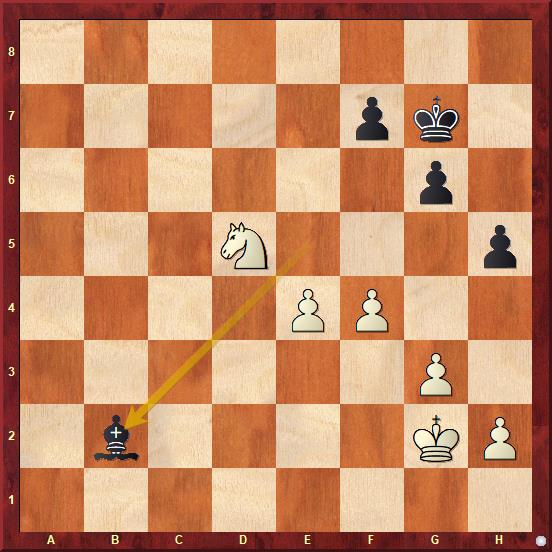
Black has just captured the rook on b2. How would you evaluate this position?
The tragedy of Daniel Naroditsky or look for money behind everything
The tragic death of Daniel Naroditsky reminded me, among other things, of a quote by Zdeněk Mahler, which I used at the beginning of the article. Everyone is crying, searching – and of course a culprit is also found. In reality, however, it is primarily about viewership and money. In the case of Chess.com, I dare say it is easily hundreds of millions in total. Tragedies often generate the most profit.
And the absolute truth? Nobody knows it, and perhaps nobody even wants to know it. Yet everyone feels that everything is clear to them. It is enough to ignore unpleasant facts, which, however, cannot be overlooked. And that they too often do not fit the picture that most authors want to create and share? That is actually just a detail. I have even come across claims in several comments that Putin is responsible for Daniel's death. This is not an exaggeration.
Below we see one of the typical, though by no means the most blatant, posts. Its main aim is to provoke fear and anger towards a predetermined „culprit“.
Therefore, I would like to ask impartial readers to first watch Daniel Naroditsky's last video and reflect on what they would do – what they should do – if they were his good acquaintances or even friends…
After some effort, I even managed to find a relatively neutral report…
...and finally, in my opinion, an interview based on facts! The most important moments of the interview with the former world champion: 9.30 minutes about Chess.com and around the 13th minute of the video.
A few words from the world champion
Can a grandmaster come from a stool?
To end on at least a somewhat optimistic note: I recently came across an interview with Daniil Dubov. I agree with many of his views, disagree with many others, but I almost always have a laugh. Right at the start of the video, a serious question is raised: „Can an ordinary club player become a grandmaster if they work intensively for eight hours every day?“
What can we look forward to?
The World Cup is starting in the Indian state of Goa! The eight-round knockout system certainly has its charm. And when three tickets to the Candidates Tournament are at stake, there will definitely be plenty to watch... all the way until 27 November.
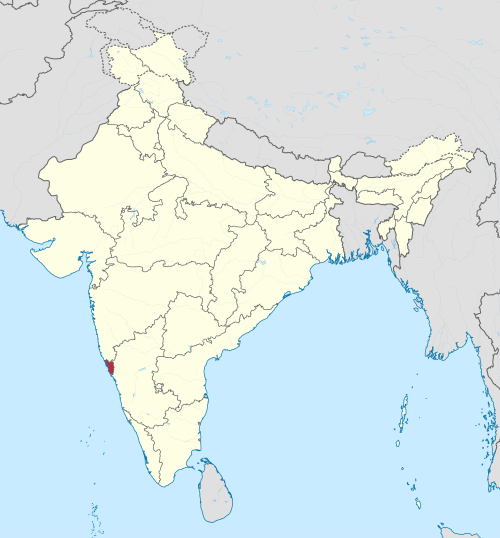
https://en.wikipedia.org/wiki/Chess_World_Cup_2025
To conclude, let’s hear from no one else but the World Champion!
All the examples from the players in this article are also available in CB format.