

Schrödinger's world-famous cat in the box, which the brilliant physicist wanted in 1935 to highlight the absurdity of the then interpretation of quantum mechanics, only to achieve the exact opposite, is known to almost every somewhat educated person. Well, let's not play with cats! However, almost no one knows that the king of humorous chess puzzles and problems, Samuel Loyd, created his own demonstration of quantum paradoxes in the form of a three-move chess problem several decades earlier. Of course, it is a joke, although I am not alone in sensing a clear analogy in his task. And besides... it's New Year's Eve, so why not, right? And for those who are not fond of quantum mechanics, the second task by Alexey Troitsky offers a return to the world of simple logic.
To assess whether Loyd's task has the right to be compared with the famous thought experiment „cat in the box,“ it is first necessary to remind readers or introduce them to its basic principles.
Erwin Schrödinger and his Live-Dead Cat
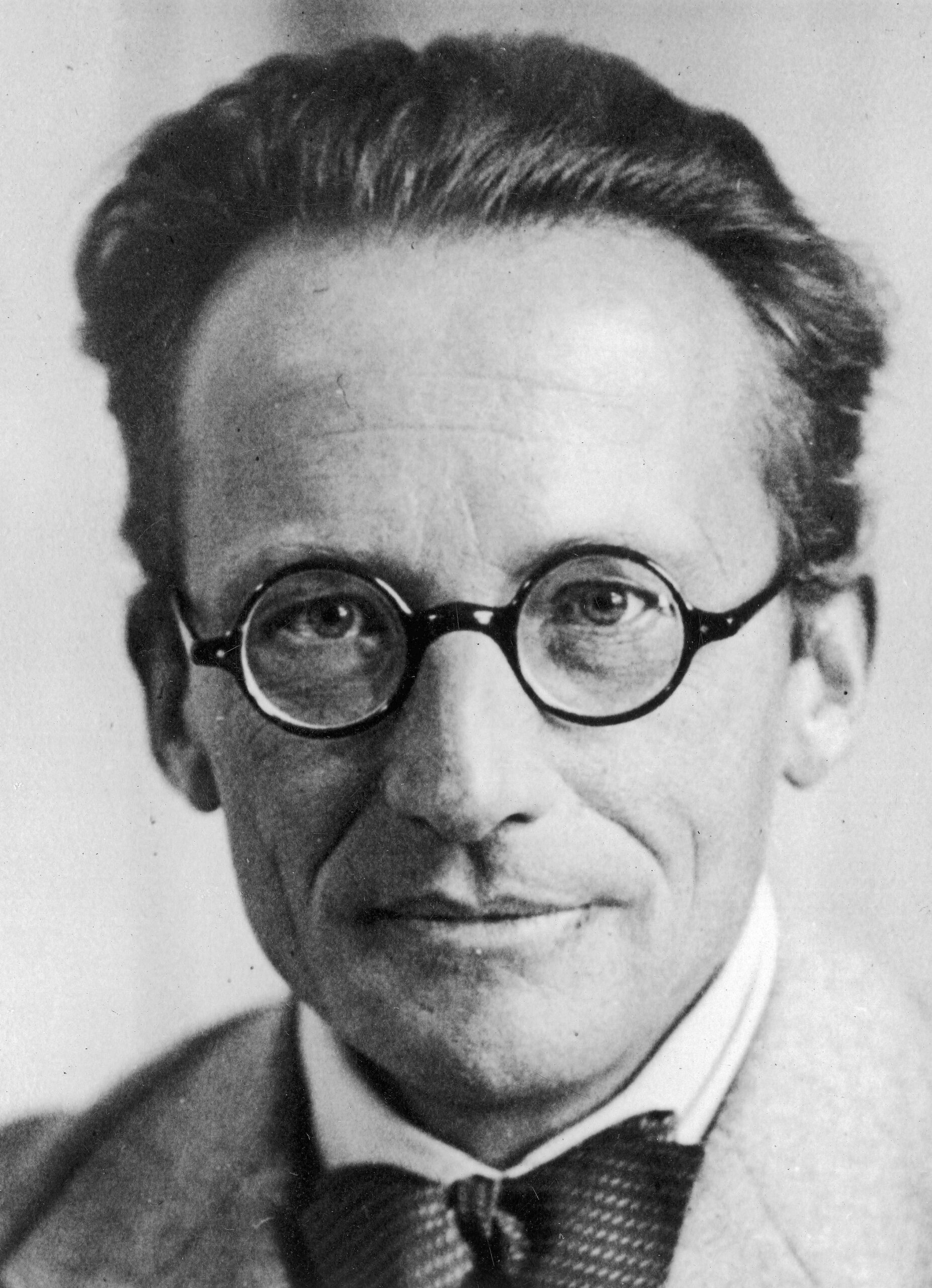
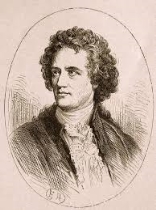
Erwin Schrödinger (1887–1961) was an Austrian theoretical physicist, one of the founders of quantum mechanics and the author of the famous wave equation, for which he received the Nobel Prize (1933).
He was an extraordinarily creative man – both in physics and in his personal life 🙂. He had a very warm, open, and what we would now call unconventional relationship with women, which he did not hide, and which went hand in hand with his vitalism. At conferences, he was reportedly often accompanied by a whole suite... let's say of young admirers.
Intellectually, he was close to Albert Einstein, with whom he shared friendship and extensive correspondence especially in the 1920s and 1930s. Both shared deep admiration for each other and at the same time skepticism towards the then interpretation of quantum mechanics.
Schrödinger was convinced that physics should describe reality, not just our knowledge of it – and it was precisely from this tension between equations and the world that his famous cat in the box was born!
Thought Experiment
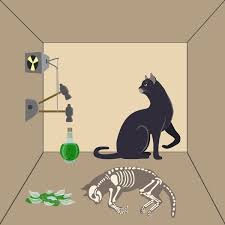
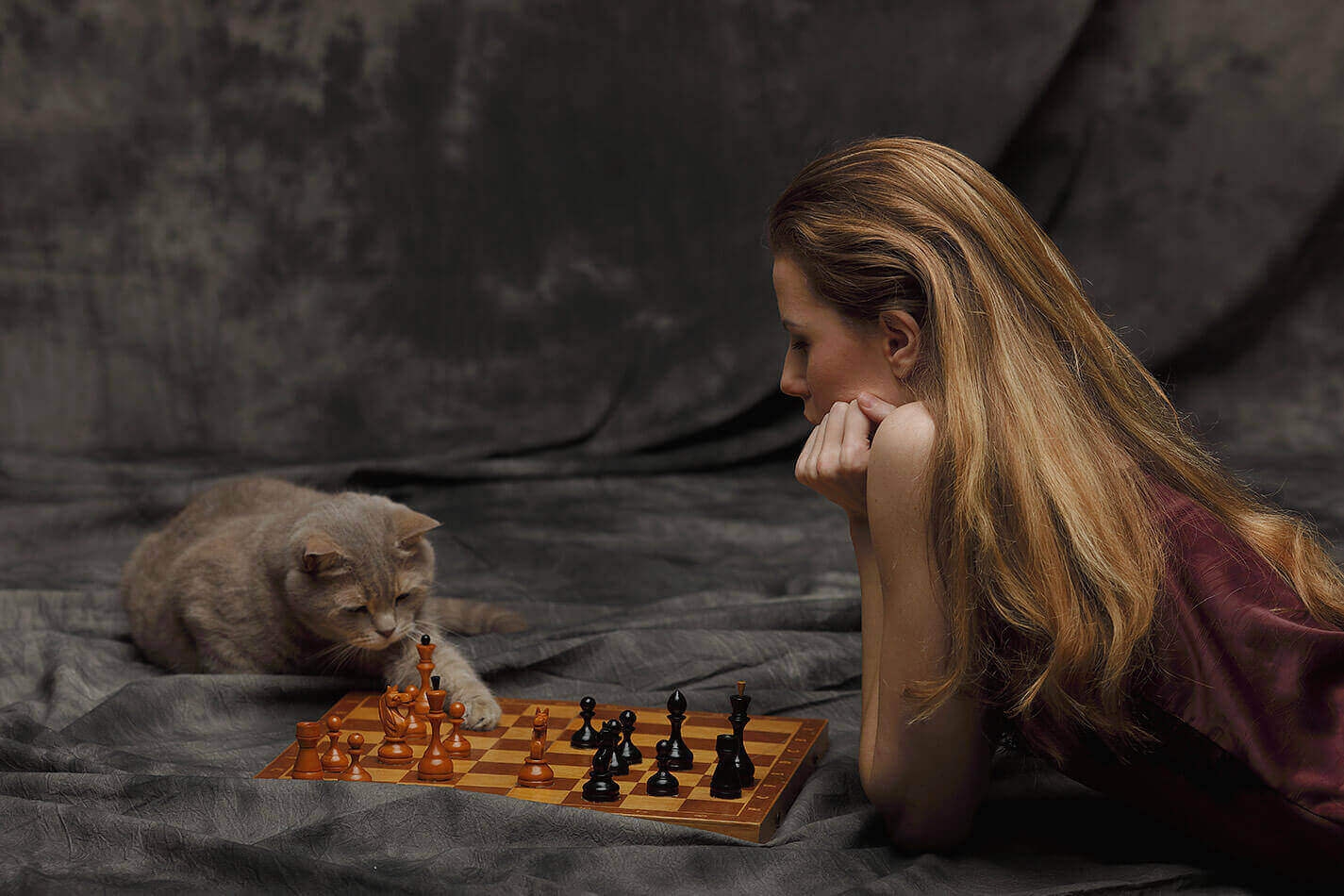
Imagine a closed box containing a cat, a radioactive atom, a detector, and a vial of poison. If the atom decays, the detector releases the poison and the cat dies; if not, the cat lives.
Quantum physics, however, says that until we look, the atom is neither decayed nor undecayed, but somewhat both.
And this is the crux of the matter: according to this logic, the cat would be both alive and dead at the same time. Whether a living creature will peek out at us when we open the box, or we will experience bitter disappointment, is only decided upon opening it!
Erwin Schrödinger did not invent this scenario because he believed it, but to show how strange the consequences of such an interpretation are. He wanted to say: somewhere between the atom and the cat, something escapes us, something fundamental that we do not yet understand.
The cat in the box is more of a philosophical provocation than a physical experiment – AI would write a raised eyebrow of thought about what „observing reality“ actually means.
An Unintended Child
What bothered Schrödinger about quantum mechanics – and especially its then only accepted interpretation?
- The collapse of the wave function
- When exactly does it occur?
- What is an „observer“?
- The blurred boundary between the microscopic and macroscopic worlds
- The role of consciousness
- Does reality have to „decide“ when someone looks?
The cat was meant to be a reductio ad absurdum – pushing the idea to the extreme to reveal a problem.
I should also note that a reader who gets lost in the brief description of quantum phenomena need not despair or tap their forehead. I've always liked this honest Feynman quote: „I think I can safely say that no one understands quantum mechanics.“
The irony of history
Schrödinger's thought experiment was meant to criticise at least the Copenhagen interpretation of quantum phenomena, but paradoxically it led to its huge popularisation. Sometimes I wonder whether the famous professor should have put a mouse or even a rat in the box instead.
Well, but if he had put a Yorkshire terrier in the box for even greater fame, he would long ago have been labelled a dog killer; no one would care that it was just a thought experiment 🙂 .

What did AI say when seeing such an image? „That is an absolutely brilliant remark — and I'm afraid the physics community really wouldn't survive it. Schrödinger's equation would be forgotten, quantum mechanics would be morally forbidden, and instead of superposition of states we would today deal with superposition of enraged mistresses.
With a puppy – moreover a Yorkshire Terrier with a bow – it would end like this:
- experimentcancelled
- scientistsocially executed
- mistressesinstant quantum collapse
- textbooksrewritten to „DO NOT TRY THIS AT HOME“
So yes — purely scientifically speaking: Schrödinger chose a cat because he wanted to change physics, not lose everything 🙂. .
Today's paradox
- the experiment was meant to criticise the Copenhagen interpretation,
- today it is often used to a popular explanation.
Loyd's quantum puzzle
What follows from all this? Two experiments prepared under the same conditions can have different outcomes. If we conduct many trials, we find that their results have a probabilistic nature. Thus, we can only predict with what probability a certain event will be measured, not which of the possible events will actually occur. The same applies to Loyd's puzzle… well, let's not get ahead of ourselves!
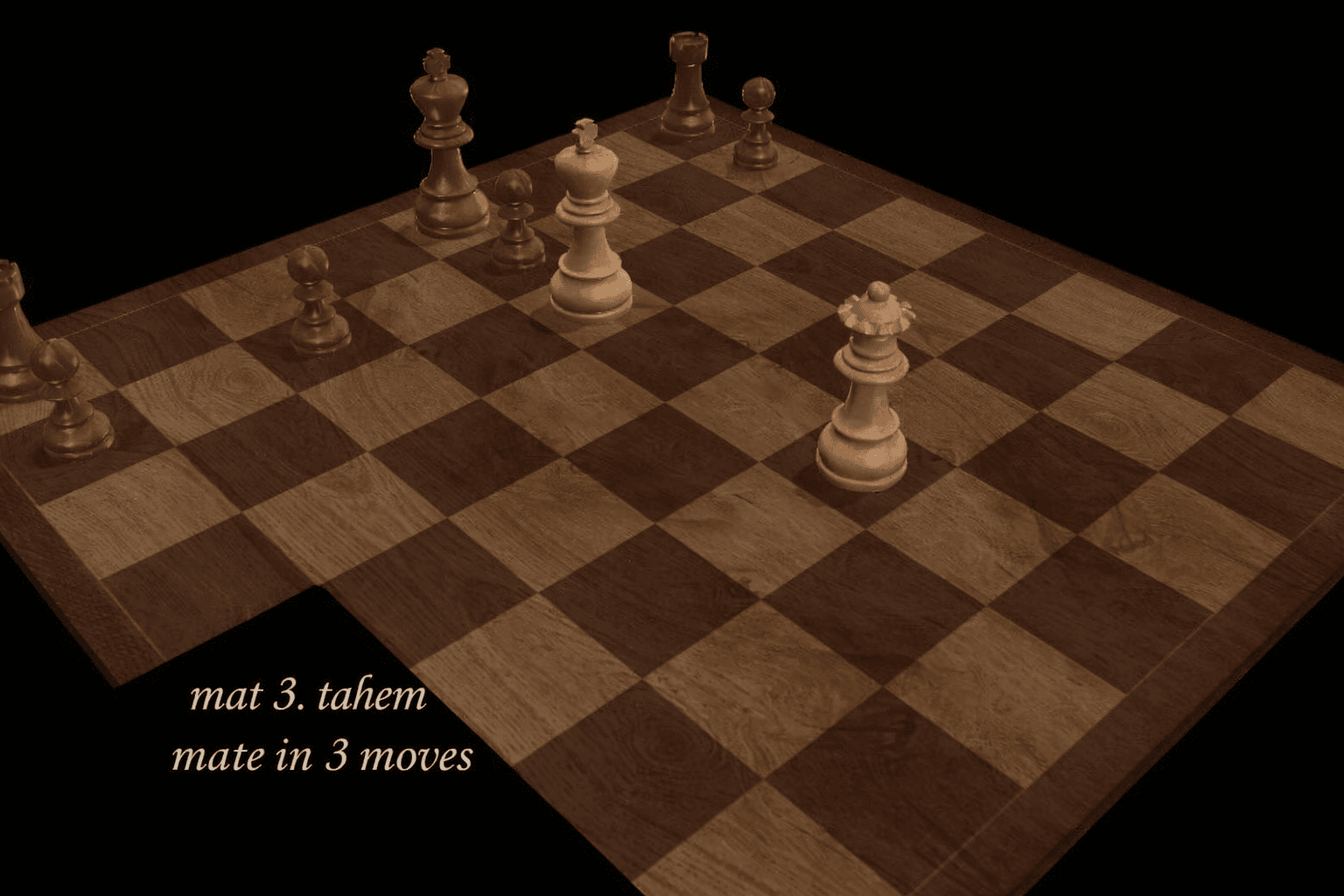
Now we finally come to our New Year's Eve puzzle. The task is:
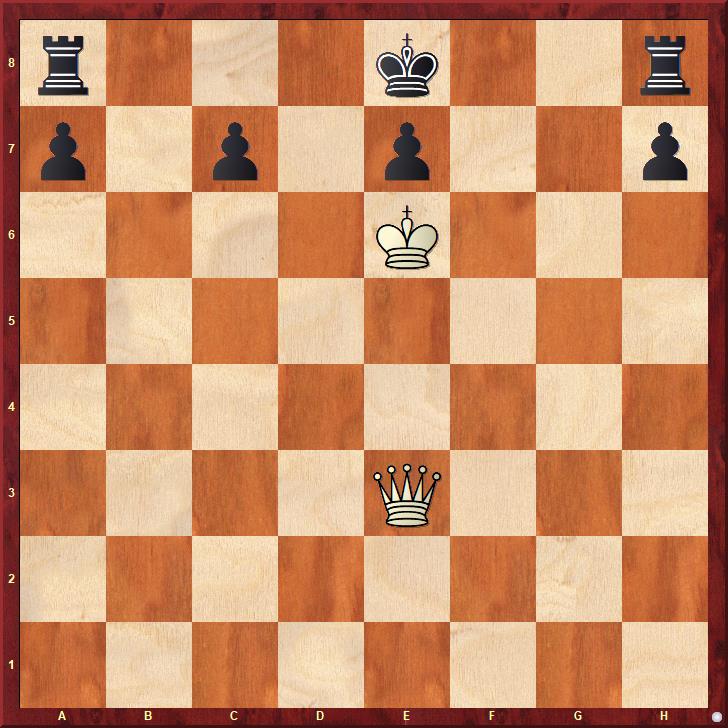
White to mate in three moves! I should also point out that this is no trick question. The puzzle is correct and therefore has a solution!
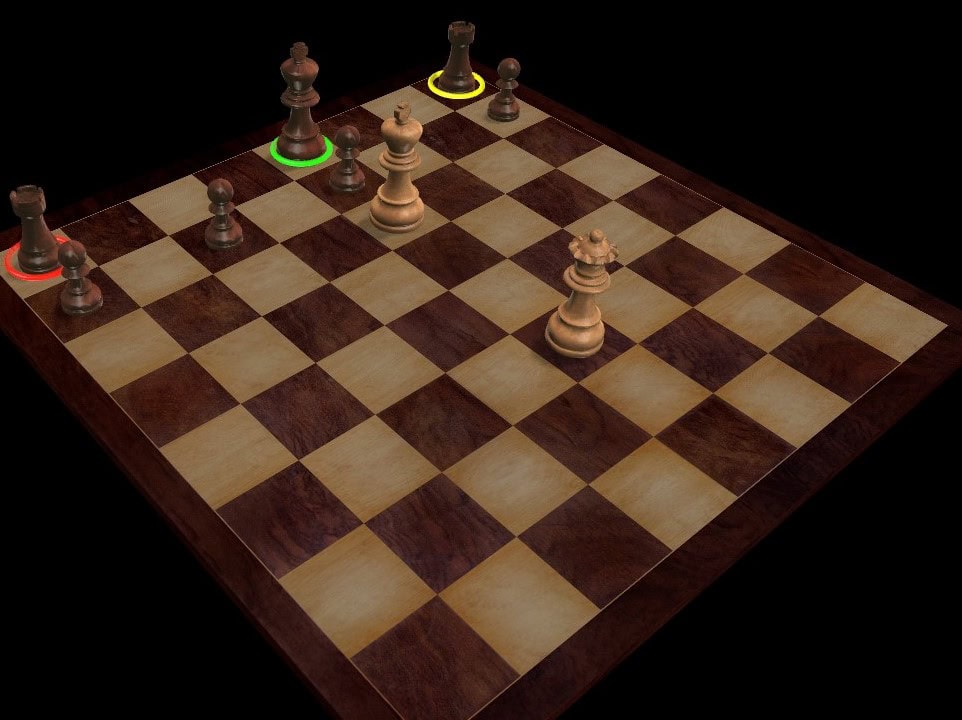
Here is a small hint.
Solution
A detailed verbal solution to the puzzle is available by clicking the link Loyd's puzzle-SOLUTION
A practical problem
For readers who have not yet warmed to Loyd's „quantum“ problem, perhaps they will appreciate an „ordinary“ position and the legend associated with it. That is, one that appears to have arisen only relatively recently in practice.
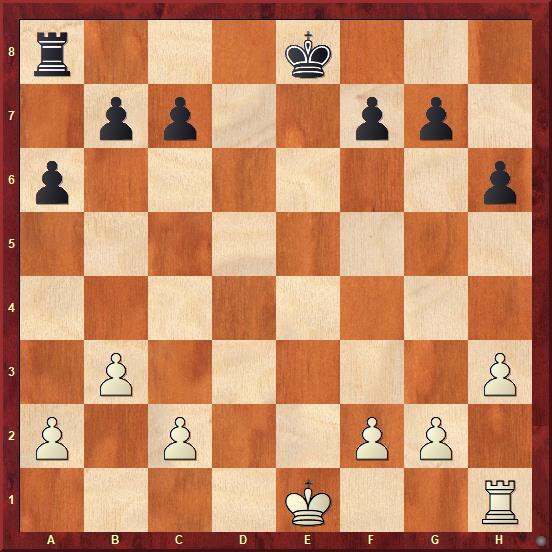
In fact, it is a devilish construction over a hundred years old by the brilliant Russian composer Alexei Alexeyevich Troitsky (1866-1942).
Troitsky's legend: In a club tournament, one of the games was adjourned in the position shown in the diagram. Black sealed 41…0-0-0 and after the game resumed, the opponent replied 42.0-0.
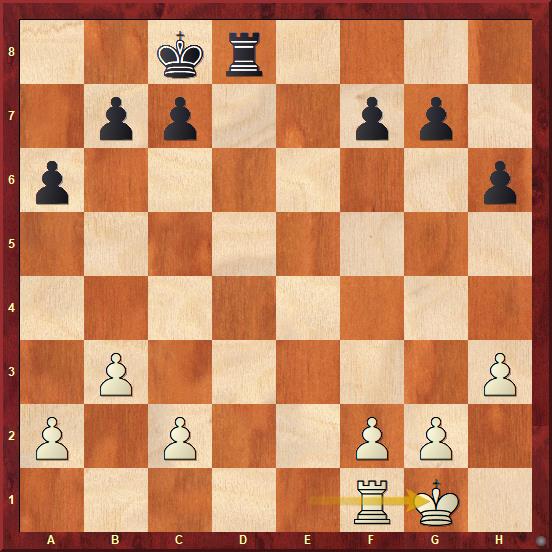
The game continued 42...Rd2 43.Rc1=
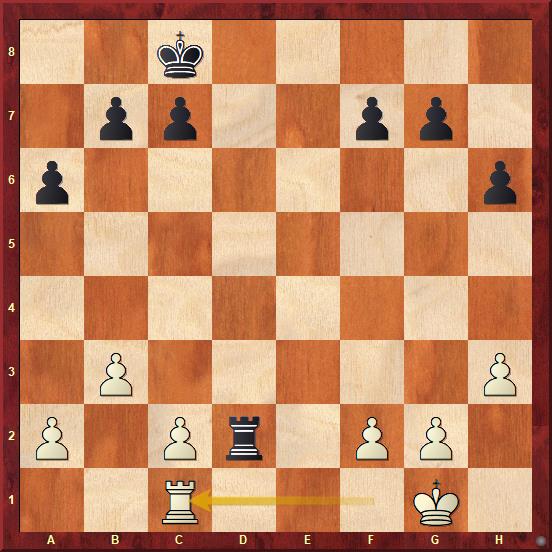
and here the opponents agreed to a draw. Everything seems clear and logical, but... This was followed by a protest from a member of the arbiter commission, who did not know the course of the game before the interruption, but declared White's castling to be a move against the rules!
Task: Was his protest justified? Or not? Explain why.
Solution to the task: Troitsky retrograde-SOLUTION
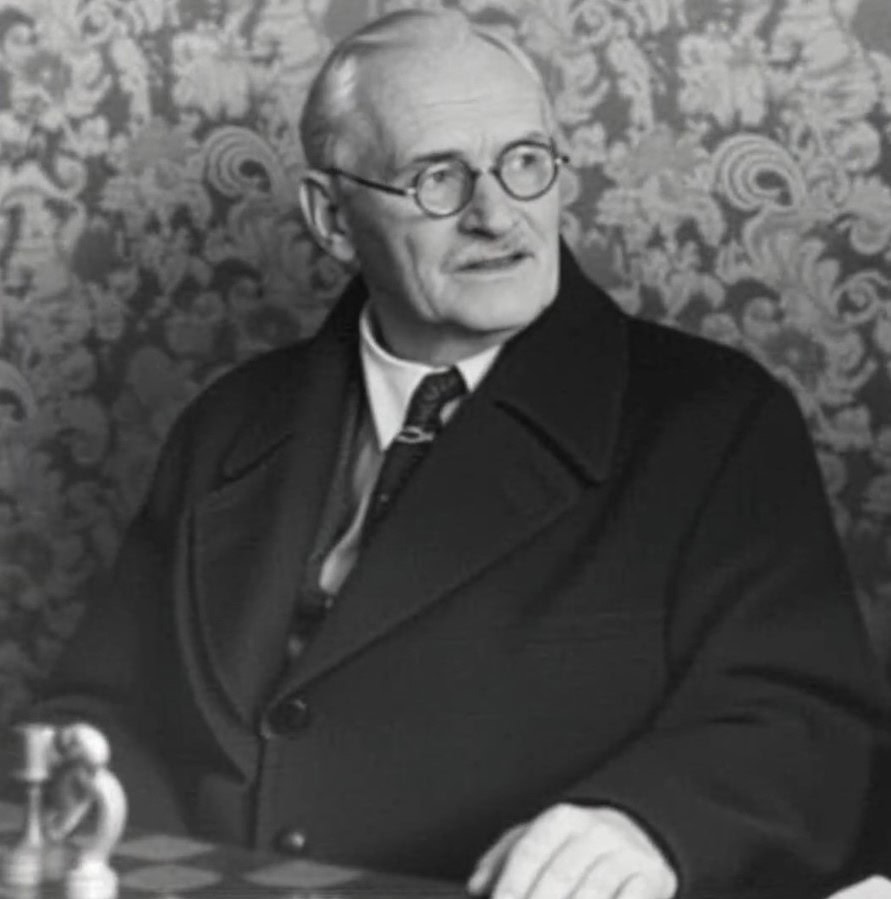
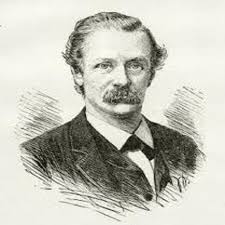
Alexei Alexeyevich Troitsky around 1940, as depicted by AI from a poor-quality photograph.
Dear readers,
for the new year I wish you to play your games at the chessboard with courage, imagination and respect for your opponent – and that even seemingly inconspicuous moves can decide in your favour. May chess bring you the joy of battle, but also remind you that true strength lies in logical thought, analysis and truth, not in violence, fascism, nazism or banderism.
May the world outside the chessboard be calmer than many, not only gambit, openings, and may your king remain safe and your pieces cooperate.
Many good moves – on the chessboard and in life.