

Motto: MMaximalist approach in chess denotes a style where the player tries to find the objectively best move in a given position, without compromises, even at the cost of high time and energy demands.
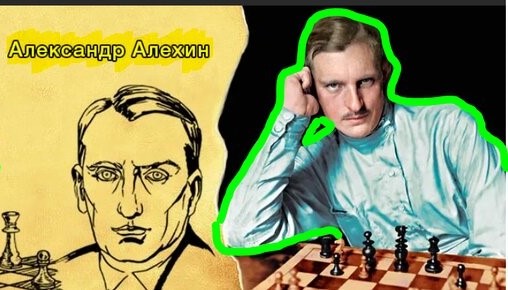
Among the most prominent chess players (not only in history), for me the synonym of chess maximalism has always been Alexander Alexandrovich Alekhine!
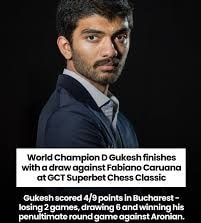
The youngest world champion experienced his first serious setback at the Bucharest tournament after winning the title! No, it is not just about scoring below 50 points, but at least two clearly warning signs in those two lost games, when there could have been more… roughly the same number as missed opportunities. In the article, I will focus on Gukesh's examples, while I will say straight away that the whole tournament seemed to me, as they say, bland and uninspiring. Only 14 decisive games, 5 draws within 30 moves, some moreover in well-known theoretical positions. The greatest joy from such a result will probably be Jan Henric Buettner, the generous sponsor of nonsense 960. Yet everything could have been different if Gukesh had paradoxically not seen so much behind the board in the first round and the win against the eventual winner had not slipped through his fingers.
At the time of writing this article, the traditional supertournament is being played in Norway. And what luck? In the very first round, the 16th and 18th world champions faced each other! How else could the game end than with a peak time scramble in an extremely demanding position for calculation with a number of only moves?!
In the second round game – like a copycat – the world champion lost again… but about that only at the end of the article.
The world champion celebrated his nineteenth birthday on 29 May. I think it is fully appropriate to carry out some kind of annual inventory, especially in connection with the recent tournaments!
Decline in form and its causes
I will probably never forget a short passage from an article published sometime in the late 1970s. The coach (probably A. Nikitin) admonishes the young Garry (of course I paraphrase): „Garry, this won't do! You are almost in time trouble in every game!“ „But there are so many variations!“ answers the future world champion. Kasparov always belonged to chess maximalists. In every position, he tried to find the best move! Moreover, to readers who have never held the book My Chess Career (1973-1985) I recommend taking a look at it. What the schoolboy Garry managed to calculate (and as he sometimes writes himself without special effort) and what fantastic twists he discovered behind the board is simply unprecedented! (I cannot resist adding one interesting fact. After the exhibition match Kasparov vs. Miles in 1986, which ended 5.5 - 0.5, the English grandmaster declared: "I thought I was playing against the world champion, not against a monster with a thousand eyes that sees everything!“)
I believe that Gukesh is exactly this type of chess player. Of course, besides the effort to find the best moves, he also intensely perceives chess beauty and thus occasionally succumbs to it. Maximalism, the desire to calculate everything seen behind the board, immense fighting spirit, but probably also an innate tendency to overestimate one's chances (just like young Garry – as he himself later admitted – tended to overrate dynamic factors in the fight in his youth) can then lead and of course do lead to occasional crashes! Also at play is some notion of duty towards the world champion title. Namely to play equal positions with everyone to win…
One explanation of Gukesh's failure at the Bucharest tournament and the start of the Stavanger tournament I have therefore just briefly described. We can fully believe him, consider it a partial explanation, or look for causes elsewhere.
I admit that the explanation second, more pragmatic, also sounds somewhat more concrete to me. We can probably imagine what hype the media managed to create after Gukesh's December victory and winning the world champion title. At only 18 years old, even in the best case, no one can fully cope with various invitations not only to interviews, parties, but also to advertising offers. But is there then enough time left for daily many-hour training? I am afraid not!
The third explanation also has something to it, although it does not exclude the previous two. It is based on the traditional if! Gukesh's mental peace was disturbed right in the first round of the Bucharest event by a huge missed chance to defeat, as it turned out, the eventual winner. A similar crash then happened in the third round…
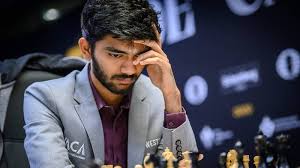
when things do not go well…
To be able to fully focus below on the world champion's performance, let's start from the end…
Results and necessary blitz
The final table of the third Grand Chess Tour event looked like this.
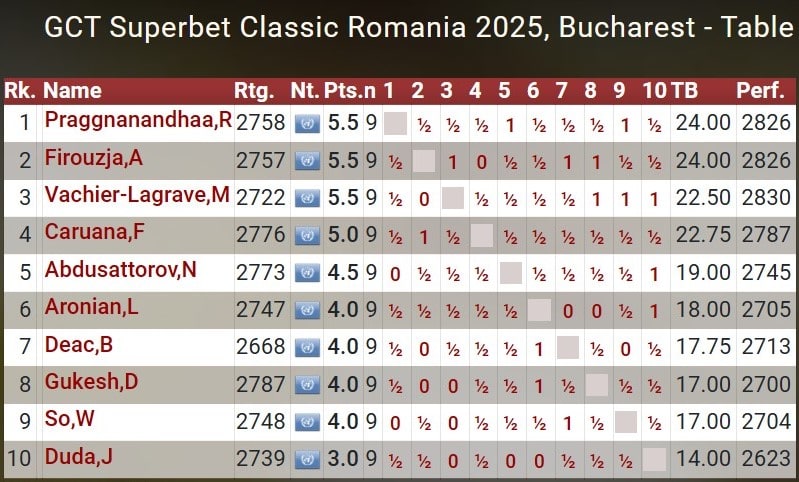
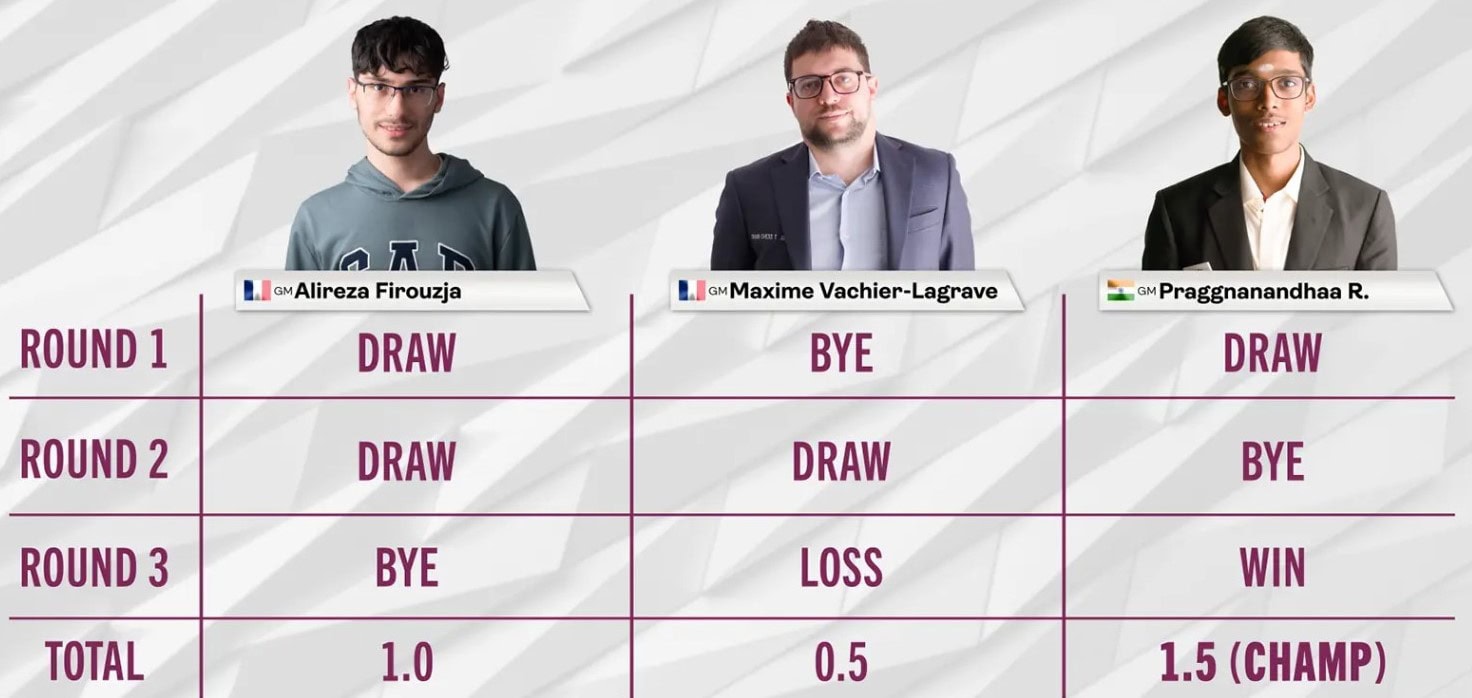
Praggnanandhaa was caught in the last round, and Firouzja and Vachier-Lagrave also climbed to +2. In the subsequent blitz tiebreak, i.e. a mini-tournament, Praggnanandhaa showed the steadiest nerves and thus celebrated another triumph after Wijk aan Zee!
Let us now look unconventionally for the broadcast of the last game of the Bucharest clash, however with the traditional Sagar commentary 🙂. .
... well, a blitz monster I would not exactly call the winner in this game. What do you say, dear readers?!
Everything could have been different if...
After the end of the first round and watching the game Gukesh vs. Praggnanandhaa I had a huge urge to immediately add a diagram of the critical position from the game to the pages. I will not reveal too much yet. I will just write that I have hardly ever seen anything like this in my career... or I have long forgotten it. So I will at least partially rectify the situation now!
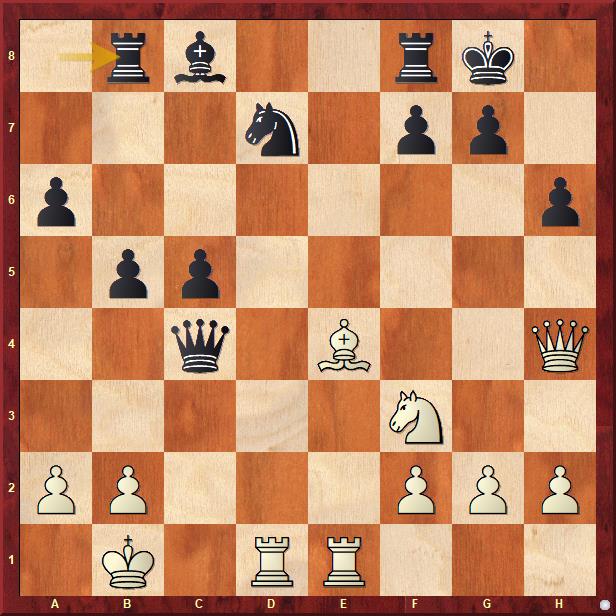
Black has just played 20...Rb8. The world champion spent 15 and a half minutes on the reply! If you want to take the task or test more seriously, dear readers, I recommend thinking about the position for at least the same amount of time.
How would you continue with White and how would you evaluate your prospects?
The critical position of our test is also analysed by a streamer on the agadmator's Chess Channel at about 5.30 minutes.
„When you think too much!“
The most hated phrase I heard a hundred times in my youth. And of course, it did not only concern the beloved game in connection with constant time trouble. For example, I was often reprimanded for my bad habit of calculating variations in various card games based on cards which, as they say, already gone. I was also among the maximalists nurtured by Alekhine's and later Kasparov's games…
Gukesh, of course on a vastly higher level, faced what I believe to be the same phenomenon. If he hadn't noticed the combination, he would have found the win without the slightest problem. And these can even be found with the help of intuitive considerations. Chess players with a deductive way of thinking (that is, from general to specific; Mark Dvoretsky called them intuitives), even if several classes weaker than the world champion, would most likely have played one of them, because an impressive manoeuvre like this simply would not have occurred to 991 other mortals. The second missed chance 26.Ne5 can, however, be considered more theoretical. There were many complications here, the white king was weak, and time trouble would certainly have come into play.
Can you imagine the moment when you find out what the engine shows on move 21 and what its evaluation looks like?? Such a mild way to put it frustration can throw anyone off, especially when you add that the world champion had/have something to repay to Praggnanandhaa…
Like on a rollercoaster
After a draw with Black in the second round against Abdusattorov, the world champion missed another huge chance for an (impressive) win in the third round as well. True, there his famously uncritical optimism later led him at one moment beyond the brink of losing. Correct however, the game was to turn out to be a miniature. Let us look at the critical moments from the game Gukesh vs. Deac.
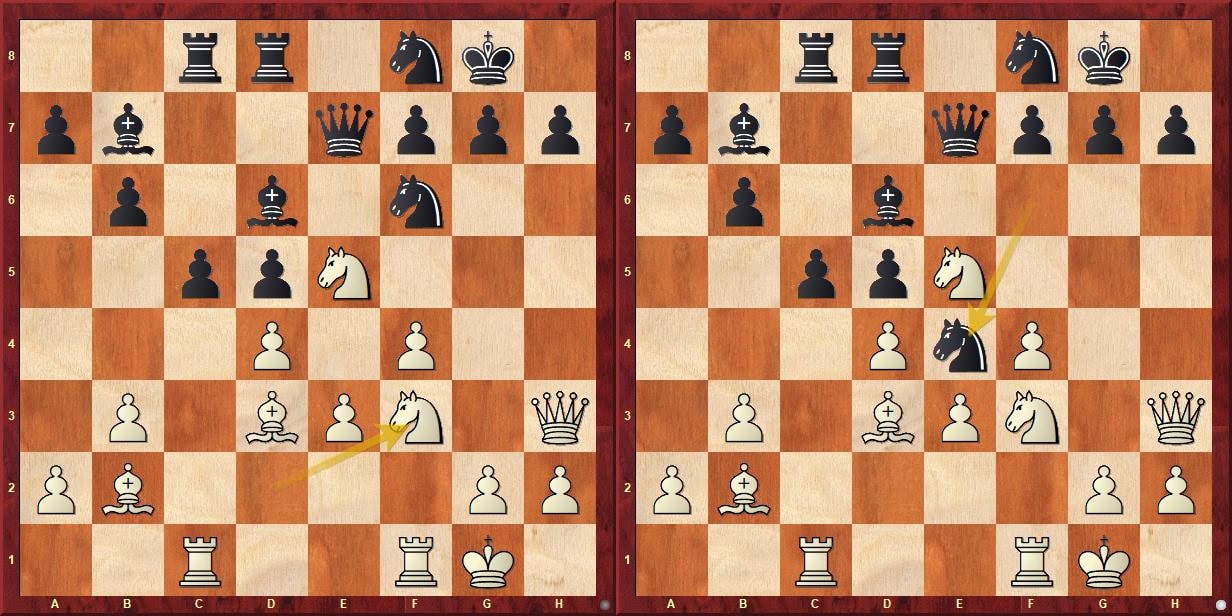
In the Nimzowitsch Defence, which after a later d4 transposed to the Zuckertort System wing in games with the queen's pawn, White obtained a very nice position and a clear advantage on the left diagram after 17.Qf3 However, after the mistaken 17…Ne4? at least it strikes me directly in the eye…
How would you continue if you were the world champion?
Not all losses are the same
I don't know about others, but personally what unsettled me most in tournaments was not, when I lost a game due to a blunder, but when after losing I actually didn't know exactly where I went wrong. Or when it wasn't clear to me what plan to choose at all. That could have been a warning sign of poor form! And this, in my opinion, is exactly what happened to Gukesh in the round 4 game! If two missed opportunities in the first three rounds are very unpleasant, and the ending of the third game against Deac was a warning, then after this loss it must have been extremely difficult to bounce back in a relatively short tournament!
So now let's look at what actually happened. The experienced French super-grandmaster Maxime Vachier-Lagrave in my opinion decided very wisely when he chose the Scotch Game with White, specifically today again the fashionable variation 1.e4 e5 2.Nf3 Nc6 3.d4 exd4 4.Nxd4 Bc5 5.Nb3
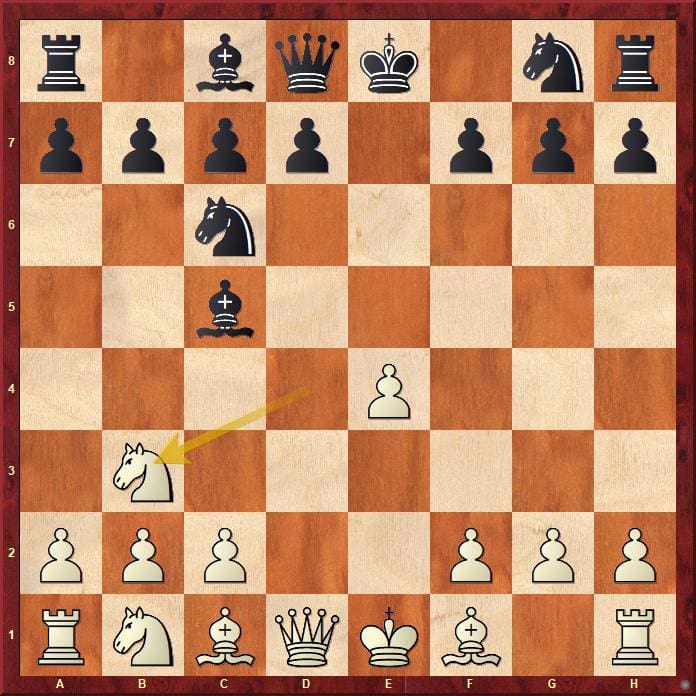
It soon became clear that the world champion is not familiar with the subtleties of the variation! For example, consulting the statistics of a particular continuation is nice, but sometimes I feel it is becoming less and less informative! Statistically the most played setup for Black leads even to this kind of position, which we see on the diagram.
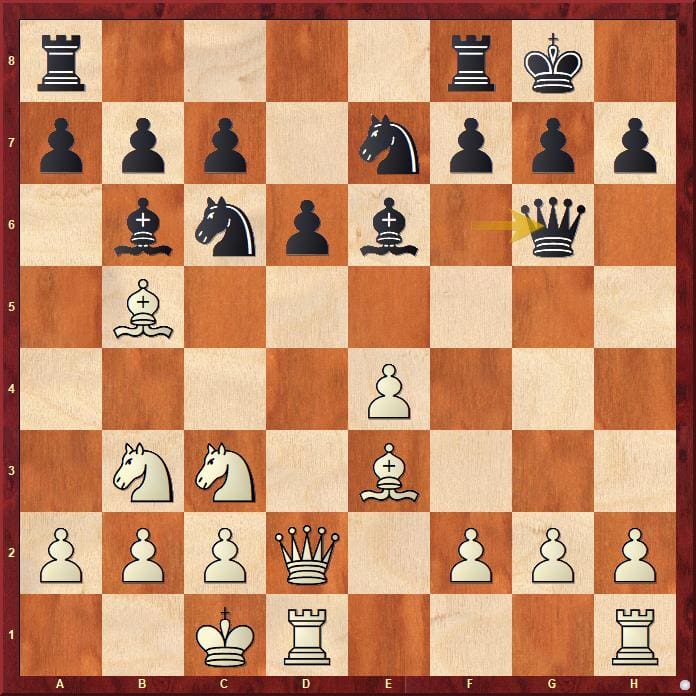
The approach 11...Qg6 of course aims to eliminate the small centre with the flank strike f7-f5. Generally the correct plan soon brought Black unpleasant problems and a highly uncomfortable position (much more can be learned in the detailed game analysis in the viewer).
A question for you, dear readers: How would you continue here as White?
White later – already after Black's 15th move – gained a huge advantage, but then almost completely dissolved it with two weaker moves in a row (errors tend to come in pairs!)! After 18...Ne5
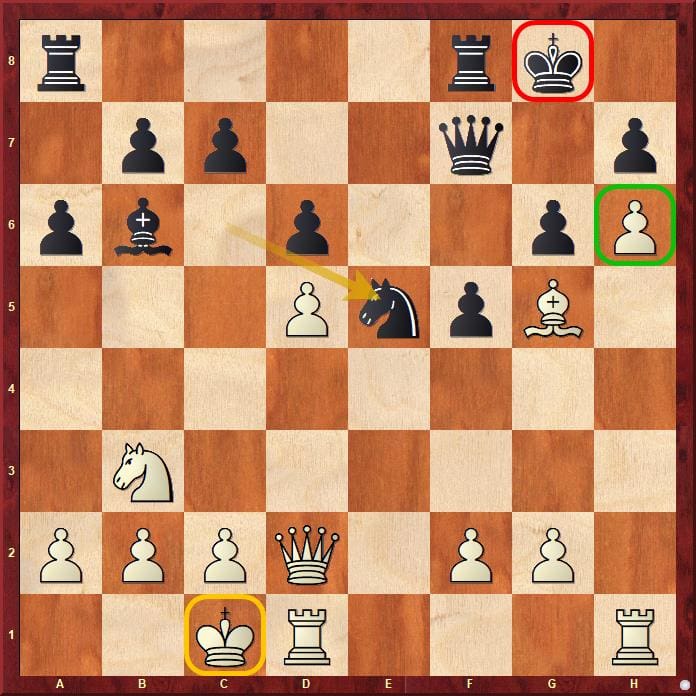
We face a complex position to explain briefly and simply, at the author's request to the viewers, how the situation with the strange queen development stands: with chances for both sides. The following sequence, which the reader will also find in the analysis, is so important that I decided to include it directly in the text. It primarily concerns the green pawn on h6, called the AlphaZero pawn since 2018 🙂. .
"Black is certainly out of the worst," would be an appropriate statement. However, we cannot overlook the enormous difference between the theoretical evaluation approaching equality and the actual situation on the board. We can expect long-term problems related to the weakened king's position. And not only in the middlegame. The AlphaZero pawn can haunt Black even in a deep endgame!
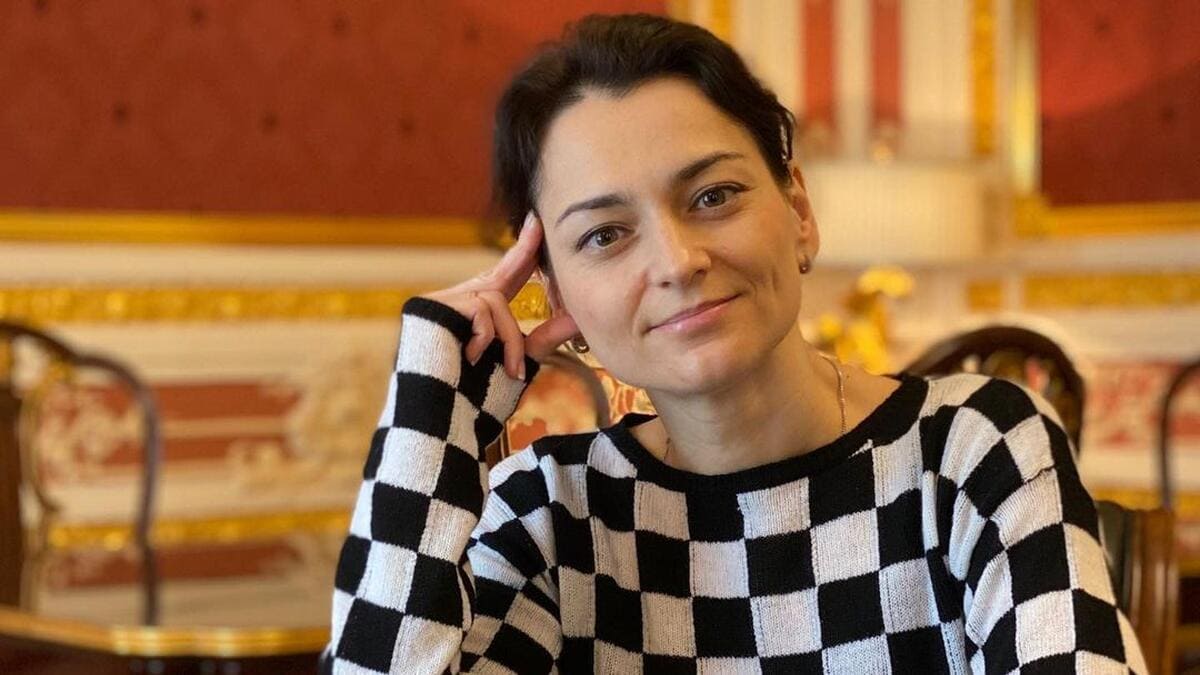
I will never forget the didactically brilliant expression of former Women's World Champion Alexandra Kosteniuk. In one of the live broadcasts, regarding the 'h' pawn and its frequent use in modern practice, Alexandra Konstantinovna evaluated its positive qualities as follows (paraphrase): "... Even in the endgame itself it causes problems. If the h7 pawn disappears from the board, the active side immediately controls a passed pawn on the 6th rank. However, even in cases where the brave pawn itself becomes weak, so to speak, a target, its successful capture is usually associated with a loss of time and always with the decentralisation of the black piece – the bishop!"
I wish every reader had such a coach!
Let us move a little further in this unfortunate game for Gukesh. The following question, however, is aimed at very advanced players! How could it be otherwise, when even the World Champion failed to answer it correctly in the game! Maxime has just played 20.f3.
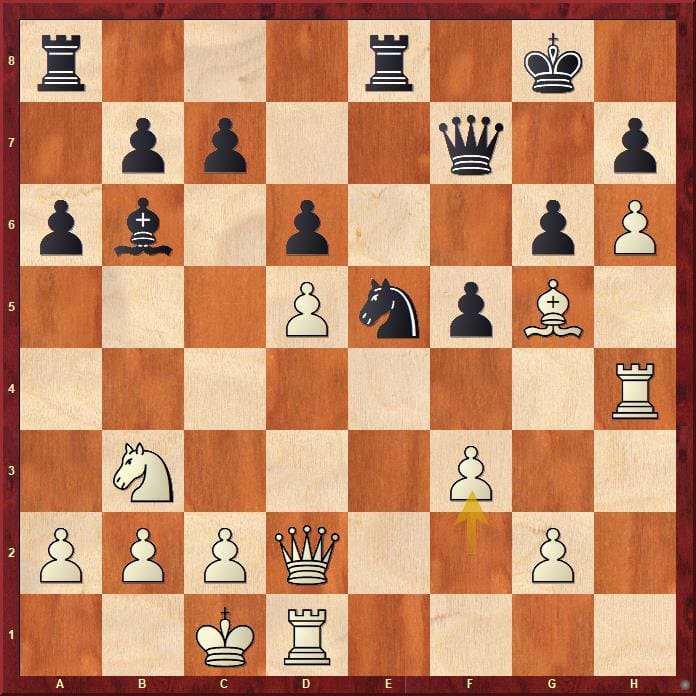
White's position looks friendlier. White controls more space, the king is better protected, and the centralisation of the heavy pieces commands respect. On the other hand, Black dominates with a powerful outpost on Ne5. True, it is the only piece more content with its fate than its counterpart. But that somehow belongs to the Scotch Game with 5.Nb3.
I admit that I cannot explain Gukesh's further moves at the board other than by a misunderstanding of the position. He was probably unable at this moment to find suitable moves, but especially he probably was drowning in choosing a plan. And so he perhaps decided to wait?!
A question for you, dear readers: Would you find a suitable plan in the position, or possibly a plan for further development of Black's play?
Let me add a clarifying question and at the same time a small hint. How is this position related to the game of the first round Gukesh vs. Praggnanandhaa?
Below I attach a video with a brief analysis (especially of the opening) by the most qualified person, namely the 13th world champion Garry Kasparov!
Next follows the traditional video broadcast of the game. Even Gukesh's expression here reveals a lot...
The most dreadful at the end!
The weakest link in Gukesh's play (not considering his poor time management now) are undoubtedly the endgames! I noticed this a long time ago and it was confirmed to me, for example, by last year's Candidates Tournament. However, I thought that the deficiencies logically concerned rather technical (practical) endgames. Chess players of the inductive type (from the specific to the general) tend to have the biggest problems logically here in their pupil, youth and junior years. (I remind you of a fact that many chess players forget: Gukesh formally became a junior only on 29 May 2025 🙂 !)
A sad exception until recently was Alireza Firouzja. An exception in the sense that the super grandmaster with huge potential not only often spoiled practical endgames but also did not master the basic theoretical ones, i.e. those described in textbooks. Readers could see several examples of his catastrophes, for instance, due to ignorance of pawn endgames.
However, paradoxically (?) precisely in the game of round 6 of the Bucharest tournament Firouzja vs. Gukesh everything was the opposite! Let's take a look!
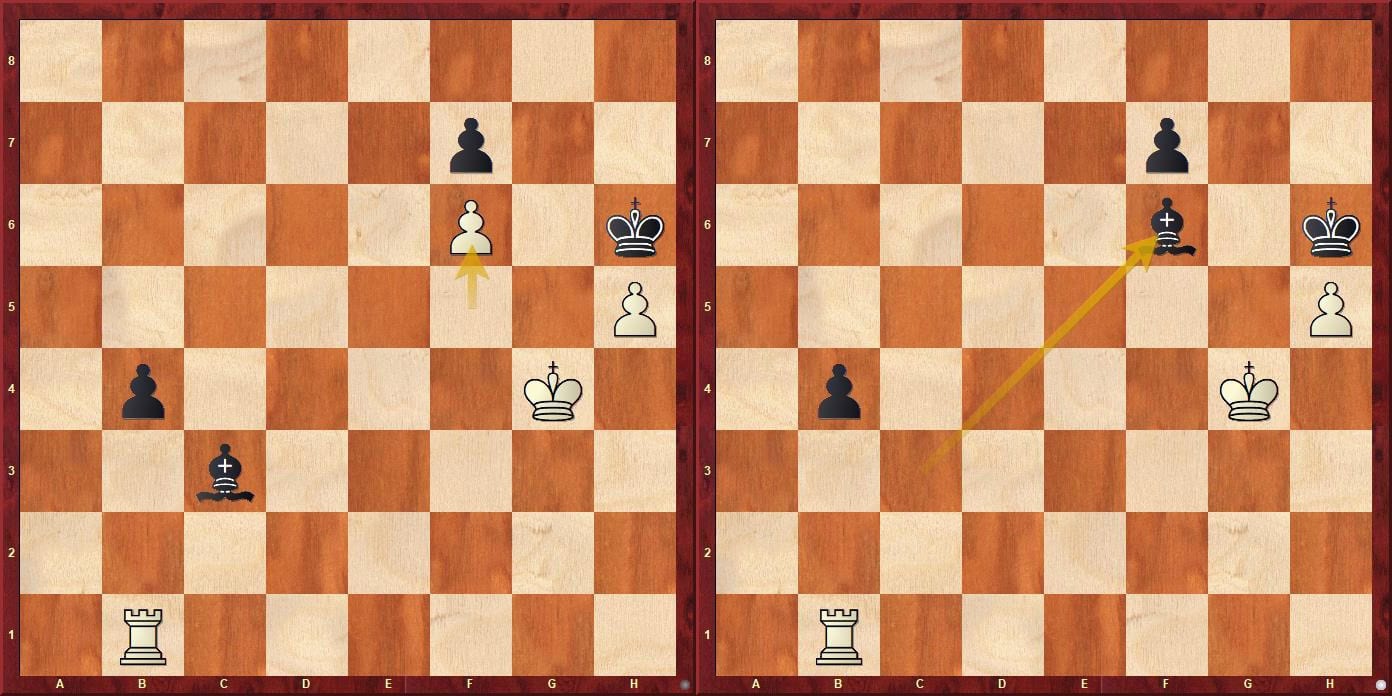
White has just decided to exchange his 'f' pawn for b4 and therefore played 52.f6. The world champion after eight and a half minutes of thinking accepts the trade. Let us add that he cannot play anything else, which is completely obvious even for much weaker players. After all, 53.Kf5! threatens! So what was Gukesh pondering for so long? The logical answer suggests itself: he calculated into positions – theoretical endgames and perhaps was still verifying or recalling what he, as a little boy, could not have failed to learn! But as it turns out, this is a fundamentally wrong assumption, a mistake! Then followed 52…Bxf6= 53.Rxb4.
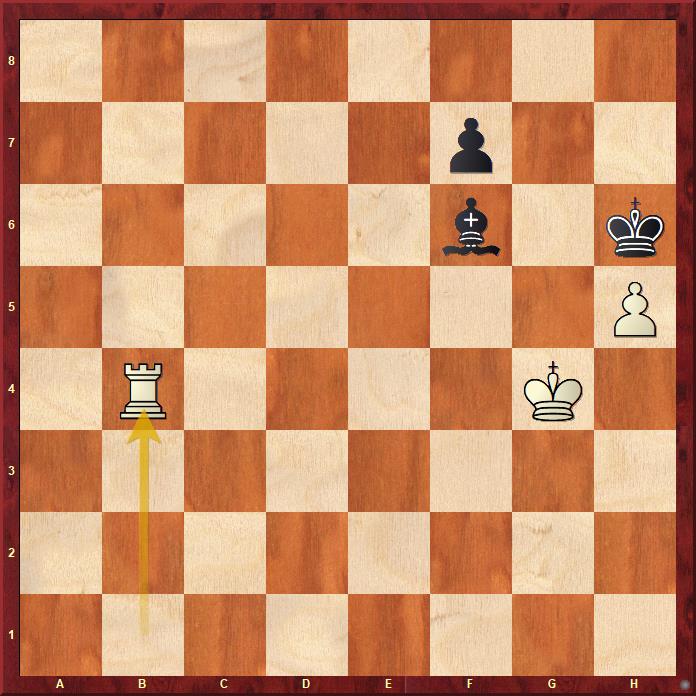
The main threat is 54.Rb6. A question for you, dear readers. Whether you know theoretical endgames of this kind or not, and will therefore rely only on experience or intuition: Where would you retreat your bishop?
For now, I will just say that the world champion made a gross blunder here! Fans not only throughout India probably had their hearts stop for a moment, and as his admirer I was muttering about what kind of Matrix we are living in. At the same time, it occurred to me: „What would the 12th world champion Anatoly Karpov say if he is watching the broadcast or later looks at the game? Shaking his head in disbelief? And how does his successor on the throne react? I would guess a smirk or laughter!"
After further moves that were quite easy to calculate (certainly within 8.5 minutes!), after 59...Kh7, the position transformed into a theoretical and notoriously well-known endgame.
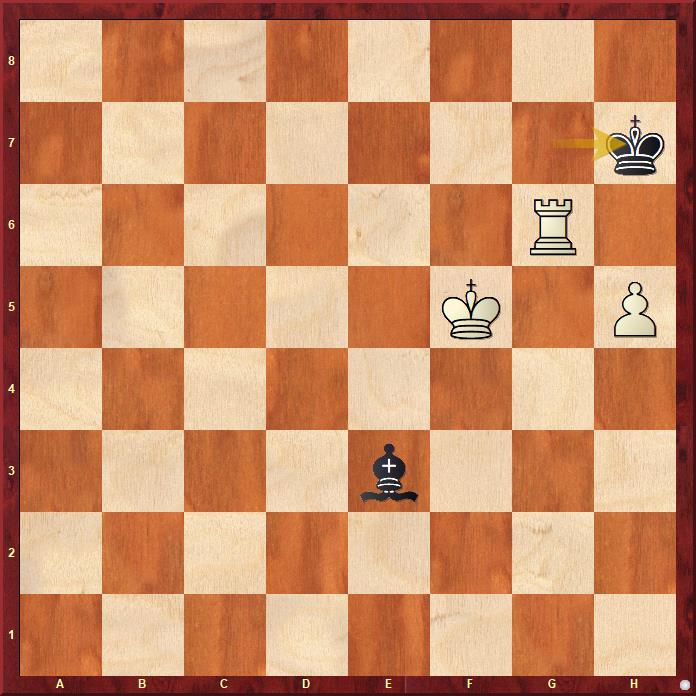
„Is this really a theoretical endgame?“ perhaps some younger reader will ask. Well, if you don't believe it, see below!
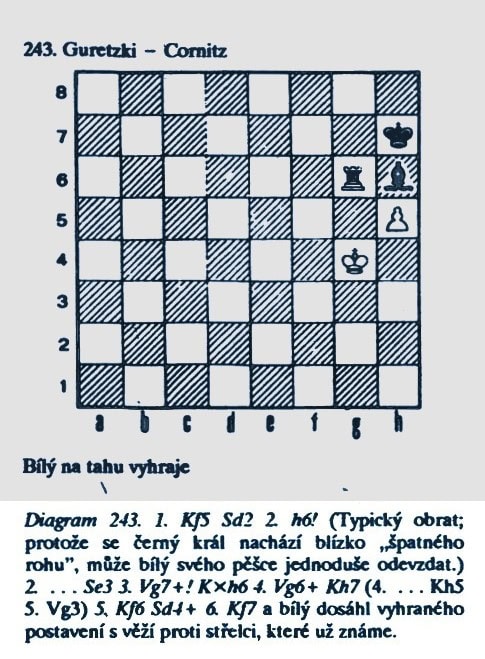
The diagram, graphically edited with text, comes from the booklet by Luděk Pachman Chess Endgames in Practice published in 1990 with the almost unbelievable print run of 10,000 copies! I believe further words are unnecessary…

One hundred percent accuracy!
In Bucharest, the world champion succeeded in only one game, in which according to Sagar he achieved 100% accuracy…
Stavanger 2025
At the time of Gukesh's approaching 19th birthday, on 26 May in Norway one of the strongest tournaments of recent years was started in terms of participation. Everything would be great if the organisers had not indulged in their favourite antics with replaying draws blic armageddon, 3 points for a win and an unusual time control (in other words, everything that suits the ex-world champion Carlsen). This time 2 hours for 40 moves with a 10-second increment, but only from move 41. We therefore very likely know, what zwill dive into the conclusions of the games. In the best case, this prepares the players for the armageddon blitz, which according to the regulations follows after a 20-minute break 🙂. .
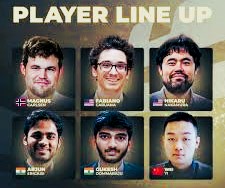
According to the FIDE rating list as of 1 May 2025, the tournament features players ranked 1st to 5th in the world and Wei Yi, who is ranked 8th!
To conclude our evaluation of Gukesh's performances in Bucharest, let's take a look at how dramatically rounds 1 to 3 of the tournament in Norway unfolded. Firstly, Carlsen vs. Gukesh…
Record of round 2: Erigaisi vs. Gukesh. The end of the game was again adorned by permanent time trouble.
Such time management must inevitably lead to disasters! Fortunately, in round 3 the world champion already kept an eye on the time.
First, let's watch a short video interview after the game. Gukesh obviously knows well what needs to be done: the biggest culprit of his collapses is Time management!
In the player below, I have commented more briefly on the games Erigaisi vs. Gukesh a Gukesh vs. Nakamura from rounds 2 and 3.
And this is what the traditional of replaying draws in Stavanger looks like. White gets 10 minutes, Black 7, also without increment. To confirm a draw White must win, Black only needs 1.5 points to qualify, of course a draw is enough. Below we can also look at the record of an interesting blitz game Gukesh vs. Caruana from round 4.
Maximalism
More for fun, I am adding the so-called artificial intelligence's answer to my question about chess maximalism 🙂. .

My question to AI: In chess, "maximalist approach" means the effort to find the best move in a game position even at the cost of losing time thinking or energy. Is this definition correct?
Answer: Yes, this definition is basically correct and aptly describes the „maximalist approach“ in the context of chess.
More detailed explanation:
In chess the maximalist approach often denotes a style where the player tries to find the objectively best move in a given position, without compromises, even at the cost of high time and energy expenditure. This approach can lead to:
- deeper positional understanding,
- greater accuracy, but at the same time
- a higher risk of time trouble or fatigue during the game.
Contrasting approach: practicality
On the other hand a practical approach (often called pragmatic) means that the player chooses a good enough move, which may not be objectively the best, but:
- is easier to calculate,
- saves time and energy,
- and possibly poses practical problems for the opponent.
Summary:
Yes, in chess a „maximalist conception“ means an effort to find the best (ideal) move in a given position, often regardless of time and energy costs. Your definition is therefore correct and corresponds to how this term is understood in the chess community.
On 29 May, the World Champion celebrated his nineteenth birthday...
... we join the congratulators belatedly!